






More Pain Management & Rehabilitation Articles
Combatting Lichenoid Dermatitis: Essential Insights for Better Skin Health
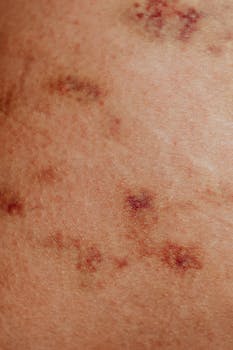
The skin, our body’s largest organ, can be affected by numerous conditions, one of which is lichenoid dermatitis. This condition can be frustrating, causing discomfort and impacting one’s quality of life. Understanding lichenoid dermatitis, its symptoms, and potential management strategies is essential for maintaining better skin health.
What is Lichenoid Dermatitis?
Lichenoid dermatitis is a term used to describe an inflammatory condition that affects the skin and, in some cases, the mucous membranes. It is characterized by an itchy, purple rash that can appear anywhere on the body, though it commonly manifests on the wrists, legs, and back.
Symptoms and Diagnosis
The main symptom of lichenoid dermatitis is the appearance of small, flat-topped, violet or purplish spots on the skin. These lesions can cause intense itching and discomfort. Over time, they might join together to form larger patches or plaques.
A dermatologist can diagnose lichenoid dermatitis through a physical examination of the affected skin. In some cases, a biopsy may be required to confirm the diagnosis. This procedure involves taking a small sample of skin tissue to examine under a microscope, which helps differentiate it from other dermatological conditions.
Causes and Triggers
While the exact cause of lichenoid dermatitis remains unclear, it is believed to involve an immune reaction. This condition can be associated with certain medications, infections, and other immune-related disorders. Triggers may vary from person to person, which makes it important for individuals to identify and avoid specific irritants that worsen their symptoms.
Potential Triggers to Consider
- Specific medications such as antihypertensives, antimalarials, and NSAIDs.
- Viral infections like hepatitis C.
- Environmental factors including stress and allergens.
Management and Treatment Options
Treatment for lichenoid dermatitis typically involves a multipronged approach aimed at reducing symptoms and managing flare-ups. While there is no outright cure, several strategies may help control the condition.
Topical Treatments
Topical corticosteroids are often the first line of treatment. These creams or ointments are applied directly to the affected area to help reduce inflammation. Other topical treatments can include calcineurin inhibitors, which work by modulating the immune response.
Systemic Treatments
In more severe cases, systemic treatments may be necessary. This could involve oral corticosteroids or other immunosuppressive medications. It is important to discuss these options with a healthcare provider, considering potential side effects and the individual’s overall health.
Lifestyle and Home Remedies
Simple lifestyle adjustments can also help manage lichenoid dermatitis. Keeping the skin moisturized, avoiding harsh soaps, and wearing loose-fitting clothing are all beneficial practices. Additionally, stress management techniques such as yoga or meditation may be useful in reducing flare-ups.
For those looking to explore more about maintaining skin health and managing various skin conditions, consider reading about safe and effective approaches to wellness, which offer insights into holistic health improvement.
The Importance of Professional Guidance
Consulting a healthcare professional is crucial in effectively managing lichenoid dermatitis. A dermatologist can provide personalized treatment plans and monitor treatment efficacy. Always seek medical advice before starting new treatments or making significant lifestyle changes.
When to Seek Help
If you notice a rash that is persistent, widespread, or affecting your daily life, it is important to seek medical attention promptly. Early diagnosis and intervention can prevent complications and improve outcomes.
Lichenoid Dermatitis and Skin Health
Overall, managing lichenoid dermatitis involves understanding your condition, identifying triggers, and adhering to prescribed treatments. By doing so, individuals can improve their skin health and enhance their quality of life. For more information, you can explore lichen planus on Wikipedia, a related topic, to understand similar skin conditions.
Takeaways
- Lichenoid dermatitis is an inflammatory skin condition marked by a purplish rash.
- Diagnosis requires a physical examination and possibly a skin biopsy.
- Management involves topical and systemic treatments, alongside lifestyle changes.
- Consulting a dermatologist is key for effective management.
- Recognizing and avoiding personal triggers can help control flare-ups.
FAQs About Lichenoid Dermatitis
What is the primary symptom of lichenoid dermatitis?
The primary symptom is a purple, itchy rash that usually appears on the wrists, legs, or back.
Is there a known cure for lichenoid dermatitis?
Currently, there is no definitive cure. Treatment focuses on managing symptoms and preventing flare-ups.
What triggers lichenoid dermatitis?
Potential triggers include certain medications, viral infections, and stress. Identifying personal triggers is crucial in management.
Can diet affect lichenoid dermatitis?
While no direct link between diet and lichenoid dermatitis has been established, maintaining a balanced diet may support overall skin health.
Why is professional guidance important?
Healthcare professionals provide personalized treatment plans, ensuring safe and effective management of the condition. Always consult with them before starting new treatments.
Other Articles You May Find of Interest...
- Navigating the Risks: What Are the Adverse Effects of Vancomycin?
- How to Identify and Manage a Pulled Abdominal Muscle
- Effective Exercises to Relieve Trigger Finger Pain and Improve Mobility
- Recognizing the Signs of Knee Bursitis Symptoms for Effective Relief
- Navigating Chronic Pain: Effective Strategies for Relief and Management
- Healing Insights: Navigating the Journey of a Nondisplaced Fracture
- Exploring the Benefits and Practices of Physiatry



