More Neurology Articles
EEG vs EKG: Understanding the Key Differences and Uses
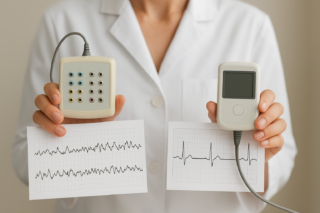
Imagine experiencing unusual sensations, perhaps a tingling feeling in your fingers or a rapid heartbeat that disrupts daily activities. These symptoms might prompt a visit to your healthcare provider, who may suggest either an electroencephalogram (EEG) or an electrocardiogram (EKG), yet these tests sound similar and it’s unclear which one is needed. Understanding the key differences and uses between EEG vs EKG can help clarify why your doctor might recommend one over the other.
What Are EEG and EKG Tests?
Both EEG and EKG are invaluable in the medical field, yet they serve distinct purposes. An EEG is primarily used to examine the electrical activity in the brain. It can help diagnose conditions like epilepsy, sleep disorders, and other neurological issues. The test involves placing small electrodes on the scalp, which pick up and record the brain’s electrical signals.
Conversely, an EKG (or ECG) measures the electrical activity of the heart. It can reveal a variety of heart conditions, such as arrhythmias, heart attacks, and other heart diseases. During an EKG, electrodes are placed on the chest, arms, and legs to track the heart’s electrical activity. Despite their acronyms and similar-sounding names, the difference between EEG, ECG, and EKG lies in their focus on distinct bodily functions.
The Role of EEG vs EKG in Diagnosing Health Issues
The choice between EEG and EKG relies heavily on the symptoms presented. For instance, an EEG is the go-to option when symptoms suggest a neurological concern, such as seizures, prolonged dizziness, or unexplained behavioral changes. EEGs provide a deeper insight into brain wave patterns, aiding in pinpointing neurological disorders.
On the other hand, for symptoms suggestive of cardiac problems—such as chest pains, irregular heartbeats, or persistent shortness of breath—an EKG offers a detailed look at heart function. Each test has its unique protocols and duration, reflecting their specialized focus on either brain or heart health.
When to Seek Care
It’s crucial to know when certain symptoms require professional evaluation. If you experience persistent neurological symptoms like seizures, sudden confusion, or changes in coordination, consulting a neurologist is advisable. Similarly, symptoms indicative of heart problems, such as chest pain or severe shortness of breath, should prompt a visit to a cardiologist or your primary healthcare provider immediately.
In both scenarios, time is often of the essence. Early diagnosis can lead to better outcomes, emphasizing the importance of timely medical intervention.
How EEGs and EKGs Affect Day-to-Day Life
Undergoing either an EEG or an EKG is usually a straightforward process, but the implications of their results can significantly impact a person’s lifestyle. For instance, an EEG might reveal a need for medication adjustments or lifestyle changes to manage neurological conditions. An EKG could lead to interventions to manage heart conditions, such as increased physical activity, dietary changes, or medication.
Understanding the findings from these tests allows individuals to make informed choices about managing their health, enabling them to continue with daily life activities with a clearer grasp of their wellness needs.
Medication Considerations for EEG and EKG Findings
If an EEG or EKG indicates a need for medication, patients should have an open discussion with their healthcare providers regarding treatment options. While it’s uncommon to stop one medication abruptly to start another, a doctor might gradually adjust dosages to ensure safety and efficacy. Side effects, if any, might vary as the body adapts, so regular monitoring and communication with healthcare professionals are key.
Questions about medication interactions, adjustments in dosages, and lifestyle modifications to support treatment are important discussion points. It’s always advisable to address any concerns or unusual symptoms promptly with a healthcare provider to tailor a personalized, effective treatment plan.
Common Questions
Should I stop taking other medications before an EEG or EKG?
Typically, you should continue taking your medications unless instructed otherwise by your doctor. It’s critical to inform your healthcare provider about all medications and supplements you are using, as some treatments may influence test results.
How do I prepare for an EEG or EKG test?
For an EEG, it’s generally recommended to wash your hair before the test and avoid hair products as clean surfaces help with electrode attachment. For an EKG, comfortable clothing that allows easy access to the chest area is advisable. You might also be asked to avoid heavy meals or caffeine before the test.
What can I learn from this article about holistic versus traditional medicine?
For those interested in exploring alternative healthcare practices alongside traditional ones, our article on holistic and traditional medicine provides an evidence-based perspective. Understanding both approaches can be beneficial as part of your healthcare journey.
Where can I find more information about heart diseases and their symptoms?
Heart diseases are a serious concern, and it’s important to stay informed. You can learn more about heart disease, its symptoms, and preventive measures from reputable sources like MedlinePlus.
- EEG assesses electrical activity in the brain; EKG evaluates heart function.
- Choose the right test based on symptoms such as seizures or chest pain.
- Consult a neurologist for neurological symptoms, a cardiologist for heart concerns.
- Follow healthcare providers’ instructions about medications and test preparations.
- Access reliable sources for more information on managing heart and brain health.
In conclusion, understanding the differences between EEG vs EKG equips you with the knowledge to better navigate health discussions with your clinician, addressing specific symptoms and optimizing overall health outcomes.
Other Articles You May Find of Interest...
- How to Read a Nerve Conduction Study Report
- Can a Tissue Paper Test Detect a CSF Leak?
- What Does Cerebrospinal Fluid Taste Like During a CSF Leak?
- Cervical Laminectomy: A Complete Guide to This Spinal Decompression Surgery
- Why Concussion Symptoms Can Look Different From Person to Person
- The Crushing Fatigue of ALS
- Complex Partial Seizures: Managing Focal Awareness Loss