






More Neurology Articles
Decoding Posture Decorticate and Decerebrate: What They Reveal About Neurological Health
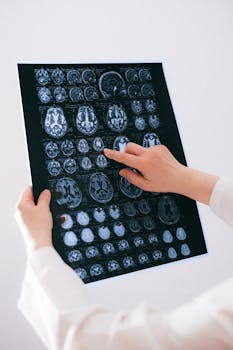
Understanding posture decorticate decerebrate is crucial when assessing neurological health. These postures, typically observed in patients with severe brain injuries, can offer insights into the location and severity of brain damage. Recognizing the differences and implications of these postures can be vital for healthcare professionals, family members, and caregivers when engaging with those affected by severe neurological conditions.
Posture Decorticate Decerebrate: What They Indicate
In the medical field, posturing refers to involuntary movements or positions that patients may adopt following significant brain injury. The two key types include decorticate posturing and decerebrate posturing, each revealing different levels and locations of brain impairment.
Decorticate posturing presents with the arms bent inward on the chest, the legs extended, and the feet turned inward. Usually, this indicates damage to the cerebral hemispheres, which might impact motor function and coordination. Conversely, decerebrate posturing involves the arms and legs being extended straight and rigid, with the head arched back. It signals more severe damage, often involving the brainstem, a critical area responsible for basic bodily functions.
Identifying these postures in a clinical setting helps healthcare providers to quickly ascertain the extent of the damage and plan appropriate interventions. Early detection and appropriate medical response can significantly influence the patient’s recovery process.
Causes and Implications of Posture Decorticate Decerebrate
The presence of these postures can be attributed to various causes such as traumatic brain injury, stroke, brain tumors, and encephalitis. Decorticate posture usually suggests lesions that interfere above the red nucleus in the brain, while decerebrate posture might point to lesions below the red nucleus, implicating the brainstem.
Understanding the implications of these postures helps in prognostic evaluation. Decorticate posture is generally associated with a better prognosis compared to decerebrate posture. The latter often indicates more extensive brain damage and may correspond with a poorer outcome. Timely intervention and management are key to potentially altering the course of recovery.
Clinical Approach and Management
The management of patients exhibiting these postures focuses on addressing the underlying cause. Treatment may involve surgery, medication, physical therapy, and rehabilitation. In emergency settings, ensuring the patient’s airway, breathing, and circulation remains prioritized.
For recovery and rehabilitation, a multidisciplinary approach is often adopted. Physical therapists work to maintain joint flexibility and muscle function, while occupational therapists support patients in regaining daily living skills. Neurologists monitor neurological status and tailor treatment plans according to each patient’s evolving needs.
Understanding more about how to integrate small daily activities to foster overall health, including cognitive and physical abilities, could be an excellent adjunct to neurological care plans. Discover some practical tips on transforming your lifestyle through small, active steps.
Research and Emerging Treatments
Research into the mechanisms behind posture decorticate decerebrate continues, aiming to improve therapeutic strategies and outcomes. Clinical trials exploring neuroplasticity— the brain’s ability to reorganize itself— offer promising avenues for rehabilitation.
Current studies are delving into pharmacological agents that may support recovery by enhancing neural connectivity. Moreover, advancements in neuroimaging techniques aid in better diagnosis and tracking of these postures, thus facilitating more personalized treatments.
For additional comprehensive information on posture and wider health implications, explore resources such as this detailed article on health.
Conclusion
In summary, posture decorticate decerebrate provides significant insights into neurological health. Their assessment is a critical component of neurological evaluation and can influence treatment decisions and outcomes. By prioritizing appropriate management strategies and supporting continued research, healthcare providers can enhance recovery pathways for affected individuals.
- Decorticate and decerebrate postures offer vital clues about brain injury severity and location.
- Decorticate positioning relates to cerebral hemisphere damage, whereas decerebrate suggests brainstem involvement.
- Accurate assessment can help tailor effective treatment and recovery plans.
- Collaborative healthcare approaches are essential for rehabilitation success.
- Ongoing research is pivotal in discovering improved therapeutic options.
FAQs
What is decorticate posturing?
Decorticate posturing is characterized by arms bent inward on the chest, straight legs, and feet turned inward, often indicating damage to the cerebral hemispheres.
What does decerebrate posturing indicate?
Decerebrate posturing involves the arms and legs extended and rigid, with the head arched back, typically suggesting severe damage involving the brainstem.
Can these postures occur in conditions other than brain injury?
Yes, while they are most common in brain injuries, these postures can also appear in cases of severe metabolic disorders and brain infections like encephalitis.
How are these postures treated?
Treatment targets the underlying cause and may include surgery, medications, physical therapy, and comprehensive rehabilitation efforts.
What can caregivers do to support recovery?
Caregivers can provide essential support by engaging in rehabilitation exercises, facilitating a stimulating yet safe environment, and coordinating with healthcare professionals to develop effective care plans.
Other Articles You May Find of Interest...
- Cerebellar Tonsillar Ectopia: Causes, Symptoms, and Treatment Options
- Essential Insights into Conducting a Comprehensive Neurovascular Assessment
- Exploring the Genetic Factors Behind Parkinson’s Disease
- Navigating Major Neurocognitive Disorder ICD 10: Insights and Implications for Care
- Cholinesterase Inhibitors: A Promising Approach for Managing Lewy Body Dementia
- Navigating the Complexities of Seizure Pseudoseizures
- Navigating the Complexities of Seizure Pseudoseizures




