






More Mobility Articles
Exploring the Role of the Anterior Root in Neurological Health
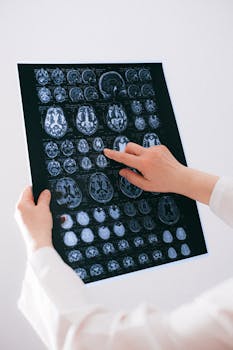
Imagine feeling a sudden weakness in your limbs, a tingling sensation spreading through your body. Perhaps you shrug it off, hoping it’s temporary. But did you know that understanding the role of the anterior root could provide insights into these neurological symptoms? This critical part of our nervous system is often overlooked, yet it plays an essential role in transmitting motor information from our spinal cord to our muscles.
What Is the Anterior Root and How Does It Work?
The anterior root is a key component of the spinal nerves. It specifically carries motor signals from the spinal cord’s ventral horn neurons to the skeletal muscles. This part of the nervous system is vital for movement; any disruption here might lead to muscle weakness or paralysis.
Unlike the posterior root, which carries sensory information to the spinal cord, the anterior root focuses on motor outputs. This separation ensures that our body can effectively send and receive messages necessary for every move we make, from lifting a hand to walking.
Recognizing Symptoms Related to Anterior Root Damage
Damage to the anterior root can manifest in several ways. Symptoms often include muscle weakness, paralysis, or muscle atrophy. These disturbances may severely impact daily activities, affecting one’s ability to perform simple tasks such as holding utensils or walking.
If such symptoms arise, it’s crucial to consider neurological evaluation. Remember, symptoms related to the anterior root can often mimic other neurological conditions.
When to Seek Care
Not every twinge or momentary weakness is cause for concern, but persistent or worsening symptoms should prompt a visit to a healthcare provider. A neurologist can conduct in-depth assessments to determine whether the anterior root is involved in your symptoms.
If you experience profound muscle weakness, paralysis, or noticeable changes in muscle mass, seek medical attention promptly. Early diagnosis and intervention can lead to better management of underlying conditions.
How Anterior Root Functionality Affects Everyday Life
The anterior root’s primary role in enabling motor function means its health directly impacts your daily life. For instance, impaired function can make it challenging to maintain balance, climb stairs, or even type on a computer.
Activities you once performed effortlessly might become laborious, highlighting the importance of addressing any severe dysfunction promptly.
The Role of Healthcare Providers in Managing Anterior Root Issues
Managing issues related to the anterior root typically falls under the expertise of neurologists and physiatrists. These specialists can develop comprehensive management plans, which may include physical therapy to maintain muscle strength and function.
Regular check-ups with your healthcare provider can help monitor the condition, and adjustments to therapy may be necessary over time. For some people, new strategies or medications might significantly improve quality of life, but each case is unique.
Common Treatments and Day-to-Day Expectations
The approach to treating anterior root complications can vary. Some may benefit from medications to manage symptoms, while others might need physical therapy to improve muscle function.
Your healthcare provider may also suggest lifestyle modifications or assistive devices to enhance day-to-day living. It’s important to follow your provider’s guidance and communicate any changes in symptoms or response to treatment.
For additional information on sustaining overall health, consider exploring maintaining a healthy body mass index.
Takeaways
- The anterior root is crucial for transmitting motor signals from the spinal cord.
- Damage can lead to muscle weakness or paralysis, affecting daily activities.
- Seek neurologist consultation if symptoms are persistent or worsening.
- Treatments vary and may include physical therapy or lifestyle changes.
- Regular monitoring by healthcare providers can help manage symptoms effectively.
Common Questions
When should I see a doctor for anterior root issues?
If you experience persistent muscle weakness, paralysis, or noticeable muscle atrophy, it’s crucial to consult a neurologist for a thorough evaluation.
What type of healthcare provider treats anterior root problems?
Neurologists and physiatrists are typically involved in the diagnosis and management of disorders affecting the anterior root.
What causes anterior root damage?
Potential causes include traumatic injuries, degenerative neurological disorders, or systemic diseases that affect nerve function.
How can I prevent anterior root-related complications?
While some conditions can’t be prevented, maintaining overall neurological health through a balanced diet, regular exercise, and avoiding injury can support nerve function.
What might recovery involve if anterior root damage has occurred?
Recovery often includes rehabilitation, lifestyle adjustments, and possibly medications to support muscle function and prevent further complications.
It’s essential to understand how the anterior root influences your health and well-being. If you’re experiencing symptoms, don’t hesitate to consult a healthcare provider for guidance and management options.
For more comprehensive health information, visit MedlinePlus.
Other Articles You May Find of Interest...
- What Is the Difference Between a Step Ramp and a Threshold Ramp?
- 7 Quiet Signs a Wheelchair Is Working Against the User
- How to Choose the Right Mobility Aid for an Aging Parent: A Family Caregiver’s Guide
- The Increasing Demand for Mobility Aids for the Growing Ageing Population of Ireland
- Modifications Affecting Mobility Healthcare Needs in an Urban Environment
- Unlocking the Benefits of Amrix for Pain Management
- Caring for Bed Bound Individuals: Essential Tips and Resources





