






More Legal and Health Articles
What Everyone Should Know Before Getting Behind the Wheel
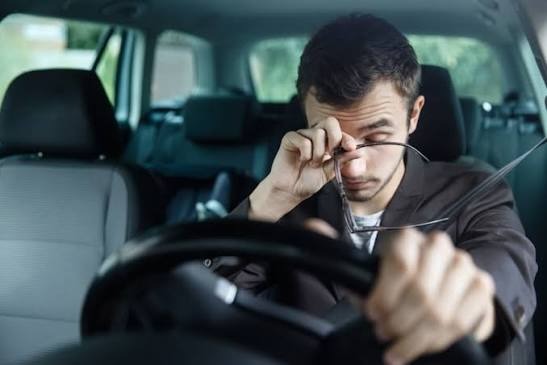
What Everyone Should Know Before Getting Behind the Wheel
The risky part of drinking and driving is how ordinary it can look. A couple at a neighborhood bar. A birthday dinner that runs long. Someone insists they’re “good” because they’re walking straight and telling a coherent story. Then keys hit the palm and the parking lot suddenly feels like a test.
Alcohol doesn’t make that test easier. It blurs judgment first, then it blurs memory. If there’s any question about where things stand, it helps to run the numbers on an alcohol calculator before anyone starts negotiating with themselves about “just a short drive.”
BAC is a measurement, not a feeling
BAC means blood alcohol concentration. It’s the amount of alcohol circulating in the bloodstream, expressed as a percentage. That’s what laws reference. That’s what breath tests try to estimate. And that’s what most people misunderstand, because BAC doesn’t track confidence. It tracks chemistry.
A person can feel fine and still be impaired. That’s not an insult, it’s how alcohol works. It dampens the part of the brain that flags risk, the same part that would normally say, “Bad idea, call a ride.” So the internal meter gets quieter right when it’s needed most.
Driving doesn’t require genius. It requires consistency. Staying in a lane, reading other drivers, noticing that kid on a scooter near the curb, reacting fast when a light changes. Alcohol eats away at that consistency in small ways that add up fast.
The “standard drink” problem no one wants to talk about
Most people count drinks like they’re all equal. They aren’t. “One drink” can be a light beer, or it can be a high-ABV pint that quietly equals two. Cocktails are even worse because they hide the math.
A standard drink is typically defined as:
- 12 oz beer at about 5% ABV
- 5 oz wine at about 12% ABV
- 1.5 oz liquor at about 40% ABV
Now look at real life. A 16 oz craft IPA at 8% is not the same as a 12 oz lager at 4.5%. A heavy wine pour at a restaurant doesn’t come with a warning label. A mixed drink can have one shot or three, depending on who’s pouring and what kind of night it is.
This is how “only two drinks” becomes a story people tell later, usually in a tone that suggests they genuinely believed it.
Why BAC can rise after the last sip
There’s a common mistake that shows up in DUI reports and crash investigations: the assumption that the worst impairment happens right away. It often doesn’t.
Alcohol absorption takes time. BAC can continue climbing after someone stops drinking, especially if the drinks were fast, strong, or sweet. A person can leave a bar feeling steady, then peak on the drive home. That’s not rare. It’s a predictable trap.
A few things tend to make the rise sharper:
- Drinking on an empty stomach
- Downing drinks quickly (shots, chugging, “catching up”)
- Sugary mixers that make alcohol easier to consume and sometimes faster to absorb
- Fatigue, which makes impairment feel more chaotic and driving sloppier
And no, a quick meal at closing time doesn’t erase what’s already in the bloodstream. It may slow what’s next, but it’s not a rewind button.
Sobering up myths that refuse to die
The list is familiar because it gets repeated like folk wisdom.
Coffee. Cold showers. Energy drinks. Fresh air. A greasy slice of pizza. A long walk around the block.
None of that clears alcohol from the blood. It can change how awake someone feels, sure. But feeling awake is not the same as being unimpaired. Caffeine can even make the situation worse by creating a weird combo of alertness and bad judgment.
The only real sobering agent is time. The liver processes alcohol at a fairly steady rate. It cannot be bullied into working faster because someone has an early meeting or a 10 minute drive.
The legal limit isn’t a safety guarantee
Plenty of drivers can recite the legal limit they’ve heard for years: 0.08% BAC for adults in many places. It gets treated like a line between safe and unsafe.
That’s not how the road works.
Impairment often starts before 0.08. Reaction time slows. Judgment gets sloppy. People take turns a little wide, underestimate speed, follow too close, and miss details that sober drivers pick up automatically. The changes can be subtle, which makes them more dangerous, not less.
There’s also the inconvenient truth that “legal limit” varies. Some places use lower thresholds. Some drivers are held to stricter standards (commercial drivers, underage drivers). And depending on local law and the officer’s observations, a driver can be arrested below a stated limit if they appear impaired.
So the better question is not “under the limit?” It’s “capable of handling a surprise?”
Because driving is basically a series of surprises in disguise.
Why comparing tolerance is a dead end
People love to compare. “He’s bigger.” “She can handle it.” “They drink all the time.” It sounds practical, like street smarts. It’s also unreliable.
BAC is influenced by body weight, body composition, biological sex, food intake, medications, sleep, stress, and the pace of drinking. Two people can drink the same amount and end up at different BAC levels. Even the same person can have a different outcome on a different night.
Tolerance is especially misleading. Someone who drinks often may look more “normal” at a higher BAC. That doesn’t mean they’re driving well. It often just means they’re better at appearing okay while still having slowed reaction time and dulled judgment.
Looking fine is not the same as being fine.
The morning-after DUI that catches responsible people
Not every impaired driving case happens after midnight. A lot of trouble happens the next morning.
It goes like this: someone drinks late, sleeps a few hours, wakes up groggy but functional, then drives because it’s daylight and the party is over. The logic feels clean. The bloodstream may disagree.
Alcohol can linger longer than expected, especially after heavy drinking or short sleep. A hangover can exist with BAC still elevated. Even when BAC has dropped, hangover effects can still wreck driving: poor focus, slower reaction time, irritability, and that heavy “brain fog” that makes quick decisions harder.
If someone wakes up still feeling off, that’s information. Not an annoyance to push through.
A plan that survives real life (not just good intentions)
The problem with “being careful” is that alcohol changes what careful looks like. The plan has to be set early, before judgment gets fuzzy.
A few practical moves that actually hold up:
- Decide before the first drink whether driving is happening later. If driving is on the table, keep the limit conservative.
- Count alcohol content, not glasses. Pay attention to ABV and pour size.
- Eat a real meal earlier, not just end-of-night snacks.
- Assume BAC can rise after leaving. Don’t treat the last sip as the finish line.
- Keep a backup option ready: charged phone, rideshare app set up, someone who can pick up, a place to crash.
There’s also the social side. People get weird about not driving. Some push. Some tease. Some insist they’ve done it a hundred times. The road doesn’t care about any of that. Neither does a judge.
Paying for a ride is annoying. Leaving a car overnight is inconvenient. Calling someone feels awkward. Those problems are small and temporary. A DUI, a crash, an injury, or worse is the opposite.
If flashing lights appear anyway
No one plans for the traffic stop, but it happens. If alcohol was involved, the best move is staying calm and keeping it simple. Arguing on the roadside usually escalates things and rarely changes the outcome.
Stress also makes people look uncoordinated, even when sober, which is worth remembering. Roadside situations are designed to be disorienting: bright lights, cars passing, nerves spiking. Local laws vary widely, and the consequences can be serious. If it turns into charges, it’s a situation for qualified legal advice, not late-night opinions.
But the bigger point is simpler: the easiest traffic stop is the one that never happens.
The hard truth that saves lives
There’s a cultural tendency to picture drunk driving as an extreme: slurred speech, stumbling, obvious disaster. In reality, a lot of impaired driving starts with someone who feels mostly normal and takes a familiar route. Then something changes fast. A car stops short. A cyclist appears near the shoulder. A light turns. A curve tightens. That’s when reaction time and judgment matter most.
Alcohol shrinks the margin for error. Driving already has a thin margin.
Getting behind the wheel shouldn’t be a gamble based on confidence. It should be a decision based on what alcohol does to the brain, every single time, even when it doesn’t feel dramatic.
Other Articles You May Find of Interest...
- The Physical and Emotional Recovery Timeline After a Car Accident
- How Are Lost Financial Support and Future Earnings Calculated in a Wrongful Death Case in Buffalo?
- What Michigan’s 12-Plant Home Grow Law Allows—and the Health and Safety Issues to Know
- What Actually Governs A Ketamine Clinic In Arizona
- How a Tucson Medical Malpractice Lawyer Reviews a Potential Claim
- 7 Steps to Protect Important Evidence After an Injury in Santa Monica
- How Are Future Medical Expenses Estimated in a Stockbridge Injury Settlement?





