More Legal and Health Articles
Fetal Distress: What It Means and the Questions It Can Raise
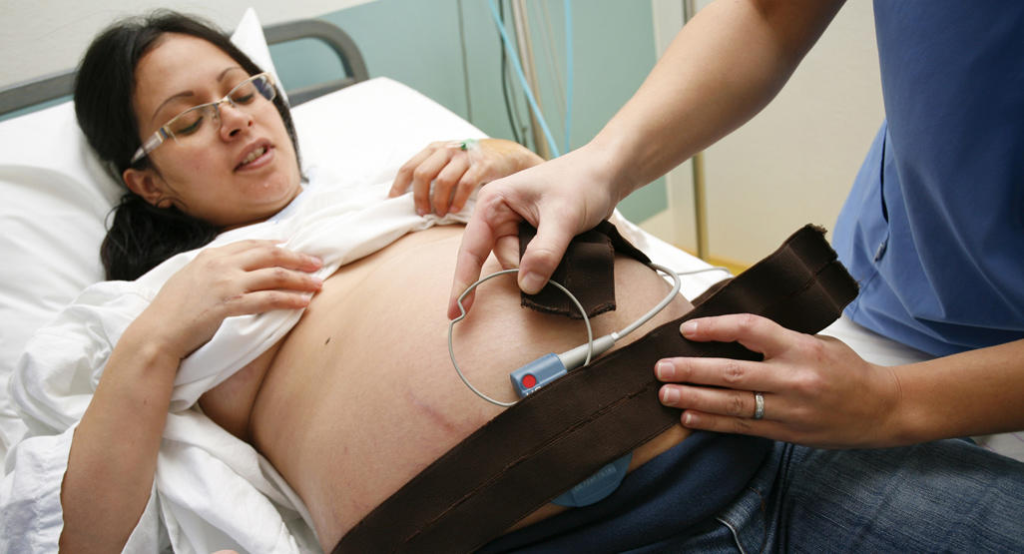
During labor and delivery, one of the most important responsibilities of the medical team is to monitor the wellbeing of the baby. When signs suggest that a baby may not be tolerating labor well, a situation often described as fetal distress, timely recognition and an appropriate response can be critically important. For families who experienced a difficult birth, understanding what fetal distress means, and what role monitoring and response play, can help make sense of a frightening experience.
Fetal distress is a subject surrounded by both anxiety and misunderstanding. The term itself is broad, and the presence of concerning signs during labor does not automatically mean that anything was done wrong. At the same time, how a medical team monitors for and responds to such signs is central to safe care, and in some situations families have legitimate questions about whether that responsibility was met. A grounded understanding helps families navigate these questions thoughtfully.
This article offers general information, not legal or medical advice, to help families understand fetal distress and the questions it can raise.
What “Fetal Distress” Means
The term fetal distress is used, in general terms, to describe signs that a baby may not be doing well before or during labor, often relating to indicators such as the baby’s heart rate patterns. It is worth understanding that the term is somewhat imprecise; it refers broadly to a range of signs that may suggest a baby is under stress, rather than to a single, precisely defined condition. This is part of why interpreting such signs requires medical judgment.
During labor, medical teams typically monitor the baby’s wellbeing through various means, watching for patterns that might indicate the baby is not tolerating labor as expected. When concerning signs appear, they call for careful interpretation and, depending on the circumstances, may warrant a response, which could range from changes in management to, in some cases, expediting delivery. The appropriate response depends heavily on the specific situation, the nature and severity of the signs, and the overall clinical picture, all of which require professional medical judgment to assess.
For families, the key point is that signs of possible fetal distress are something medical teams are responsible for monitoring and interpreting. The presence of such signs does not by itself mean harm occurred or that anything was done wrong; many babies showing concerning signs during labor are delivered safely with appropriate management. But because monitoring and timely response are so central to safe care during labor and delivery, how these responsibilities are handled can become an important question when a birth results in harm.
Why Monitoring and Timely Response Matter
The reason fetal distress receives so much attention is that recognizing and responding to it appropriately is a core part of safe labor and delivery care. When signs that a baby may be in distress are properly monitored and addressed according to the accepted standard of care, the medical team is doing exactly what it should. Problems can arise when there is a failure to monitor appropriately, to recognize genuine warning signs, or to respond in a timely and appropriate way.
This is why, when a baby is harmed during birth and the circumstances involve questions about fetal monitoring, families sometimes consult a fetal distress attorney to understand whether the care met the standard it should have. The questions in such situations are medical at their core: Was the baby’s wellbeing monitored appropriately? Were genuine warning signs recognized? Was the response timely and consistent with careful practice? And if there was a failure to meet the standard of care, did it cause harm that appropriate management would have prevented? These are not questions families can answer on their own.
It is essential to understand the nuance here. Not every concerning sign during labor indicates a problem, and not every difficult birth reflects a failure of care. Interpreting fetal monitoring involves genuine medical judgment, and reasonable, careful providers manage these situations appropriately every day. The question in any particular case is not simply whether concerning signs appeared, but whether the monitoring and response met the accepted standard of care, and whether any failure caused harm. That determination requires careful, professional evaluation rather than assumptions.
When Questions About Care Arise
For most families, labor and delivery, even when difficult, proceed with appropriate care and result in a healthy baby. But in some situations, when a birth results in harm and the circumstances involve fetal monitoring, families are left wondering whether the care provided was adequate. Those questions deserve to be taken seriously and evaluated properly.
The questions that arise follow the familiar logic of any medical negligence inquiry. Did the providers owe a duty of care, which during labor and delivery they clearly do? Did they meet the accepted standard in monitoring the baby’s wellbeing and responding to any concerning signs? Did any failure to meet that standard cause harm beyond what would have occurred with appropriate care? And what were the consequences? Each of these requires medical insight to answer, because each involves understanding what careful practice in the specific circumstances should have looked like and comparing it to what actually happened.
As with every birth injury situation, balance is essential. The presence of fetal distress, or of a difficult birth, does not by itself establish that anyone was negligent, since these situations can be managed appropriately and still involve genuine challenges. The purpose of asking these questions is not to assume fault but to understand whether, in a particular case, the care fell short in a way that caused avoidable harm. For families, the constructive approach is to preserve information and seek informed evaluation when genuine concerns exist, rather than either dismissing those concerns or presuming wrongdoing before the facts are understood.
Seeking Answers on Staten Island and Beyond
Families who have genuine concerns about the care surrounding a birth often seek answers from professionals equipped to evaluate the situation. This is true everywhere, and it is what leads many families to consult medical malpractice lawyers staten island residents and others rely on, or experienced counsel in their own community, who understand the medical and legal questions involved in these matters.
The value of such guidance lies in its ability to evaluate a situation that families cannot assess on their own. Determining whether the monitoring and response during labor met the accepted standard of care, and whether any failure caused harm, requires both medical insight and an understanding of how these matters are analyzed. Experienced guidance can review the records, identify the relevant questions, and bring the appropriate expertise to bear, giving families a clearer understanding than they could reach alone. This is especially important in an area as medically complex as fetal monitoring, where interpreting what happened requires genuine expertise.
As always, seeking answers is not about presuming wrongdoing. Careful evaluation sometimes confirms that the care was appropriate and that a difficult outcome occurred despite sound management, which can bring families a measure of clarity and peace. But where the care did fall short, families deserve to understand that, both for the answers it provides and for the resources their child may need. Approaching the situation as a search for clear, informed answers, guided by professionals equipped to provide them, serves families and their children best.
The Importance of Records and Timing
Two practical realities deserve emphasis for any family navigating questions about fetal distress and birth-related harm: the importance of medical records and the importance of acting in a timely way. Both can significantly affect a family’s ability to understand what happened.
Records matter because these questions are answered through evidence. The records from labor and delivery, including documentation of monitoring and the care provided, are central to understanding what happened and whether it met the standard of care. These records, together with a clear account of the timeline and the harm suffered, form the factual foundation any evaluation will rely on.
Timing matters because these matters can be subject to deadlines, and those deadlines can be strict. The time available to act may depend on the specific circumstances, and because the rules can be intricate, the prudent approach is not to assume there is unlimited time. Acting in a timely way also tends to make evaluation easier, while information is fresh and complete. For families with genuine concerns, seeking informed guidance promptly is sensible, both to understand the situation and to preserve whatever options may exist. Together, careful record-keeping and timely action put a family in the strongest position to get clear answers.
Approaching the Situation with Balance
For families grappling with questions about fetal distress and a difficult birth, a balanced, thoughtful approach serves them best. Both extremes, assuming negligence where none occurred and dismissing genuine concerns, tend to work against a family’s interests and their child’s.
A constructive approach recognizes that labor and delivery are complex, that concerning signs do not always indicate a problem, and that many difficult births are managed appropriately, while also recognizing that monitoring and timely response are genuine responsibilities, and that legitimate questions deserve serious attention. It involves attending to the child’s needs, preserving information, and recognizing that the central questions are medical ones requiring professional evaluation rather than conclusions a family can reach alone. Where genuine concerns exist, seeking that evaluation in a timely way is prudent.
Above all, this balanced approach keeps the focus where it belongs: on understanding what actually happened and on securing whatever the child may need. Seeking answers about whether the care during a difficult birth met the standard it should have is not an act of hostility toward providers, the vast majority of whom manage these challenging situations with skill and care. It is a reasonable and caring response to a serious situation, and approaching it thoughtfully, guided by professionals equipped to evaluate it, is the surest way to serve the interests of the child at its center.
Making Sense of the Signs
Fetal distress refers broadly to signs that a baby may not be tolerating labor well, and monitoring for and responding to such signs appropriately is a core part of safe labor and delivery care. The presence of concerning signs does not by itself indicate negligence, since these situations are often managed appropriately, but when a birth results in harm, questions about whether the monitoring and response met the accepted standard deserve careful, professional evaluation.
This article is general information, not legal or medical advice. Any family with concerns about whether harm during birth may be connected to inadequate monitoring or response should consult qualified professionals, both medical and legal, who can evaluate the specific facts and explain the options that may apply.
Other Articles You May Find of Interest...
- The Physical and Emotional Recovery Timeline After a Car Accident
- How Are Lost Financial Support and Future Earnings Calculated in a Wrongful Death Case in Buffalo?
- What Michigan’s 12-Plant Home Grow Law Allows—and the Health and Safety Issues to Know
- What Actually Governs A Ketamine Clinic In Arizona
- How a Tucson Medical Malpractice Lawyer Reviews a Potential Claim
- 7 Steps to Protect Important Evidence After an Injury in Santa Monica
- How Are Future Medical Expenses Estimated in a Stockbridge Injury Settlement?