






Your Health Magazine
4201 Northview Drive
Suite #102
Bowie, MD 20716
301-805-6805
More Legal and Health Articles
Tips for Dealing with Herniated Disc Injuries After a Crash
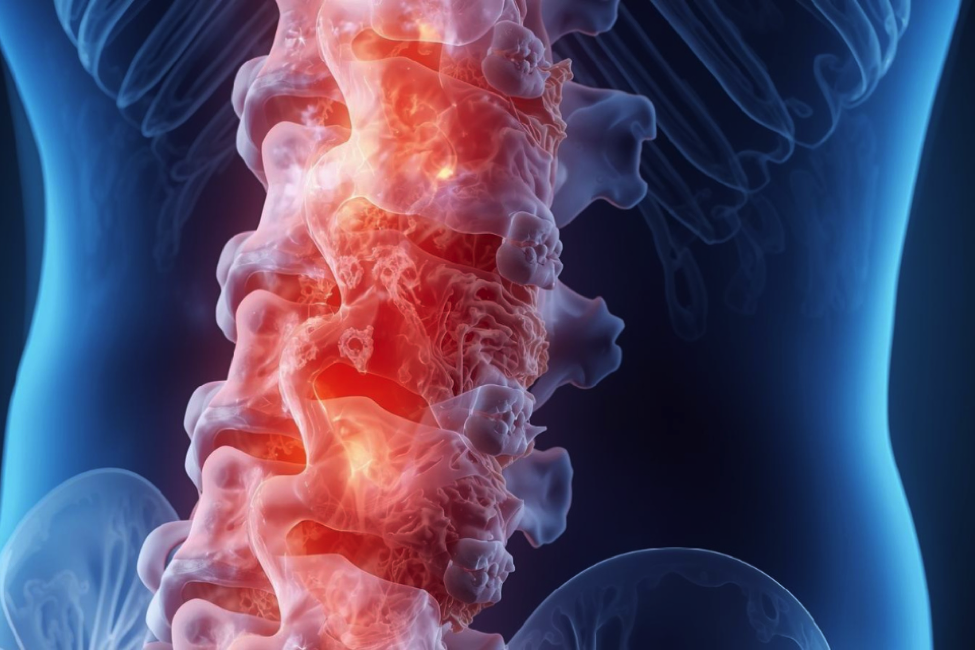
Herniated disc injuries often happen after car accidents or truck collisions. This injury occurs when the soft tissue between the spinal discs is damaged, which can lead to pain, numbness, weakness, and limited movement. Recovery can be slow and challenging, especially if the injury affects the neck and upper spine.
Damage to vertebrae C4, C5, and C6 is especially serious because these areas control movement and sensation in the neck, shoulders, and arms. When these discs are injured, even simple daily tasks can become difficult. Understanding how to care for your spine and manage symptoms can reduce pain and support a smoother recovery.
Let’s discuss the tips for dealing with a herniated disc after crash:
1. Seek Medical Attention Right Away
Even if the pain feels minor at first, see a doctor as soon as possible. Herniated discs can worsen over time if left untreated. Imaging tests like MRIs or CT scans help doctors understand the severity of the injury and rule out other issues with similar symptoms. Early medical care also creates a clear record linking your injury to the accident.
2. Follow Your Treatment Plan
Treatment depends on how severe the injury is and may include rest, medication, physical therapy, or surgery in serious cases. It’s important to follow your doctor’s instructions closely. Take prescribed medications as directed, and don’t skip therapy sessions, as consistency is key to recovery. Sticking to your treatment plan can also prevent insurers from arguing that you made your injury worse.
3. Use Physical Therapy and Gentle Exercise
Physical therapy helps strengthen the muscles that support your spine and improves flexibility. A therapist will create a plan that fits your injury and recovery stage. Avoid heavy lifting and intense workouts until your doctor confirms it’s safe. Proper therapy can speed up healing while reducing the risk of long-term pain.
4. Maintain Proper Posture
Good posture reduces pressure on the injured disc and helps prevent further damage. Use supportive chairs, pillows, and a proper mattress when sitting or sleeping. Avoid staying in one position for too long, especially if it causes discomfort. Small posture adjustments throughout the day can make a noticeable difference in pain levels.
5. Use Ice and Heat Therapy
Ice can help reduce swelling during the first few days after the injury, while heat helps relax tight muscles and improve blood flow. Alternating between ice and heat, as recommended by your doctor, can help manage pain and speed up healing. Used correctly, these therapies offer simple relief without relying only on medication.
6. Be Careful with Daily Activities
Avoid lifting heavy objects or doing tasks that strain your back or neck. Adjust your work and home routines to protect your spine. Ergonomic tools and proper body mechanics can help you stay active without causing more harm. Listening to your body helps prevent setbacks that could delay recovery.
7. Keep Records for Insurance or Legal Purposes
If your herniated disc was caused by an accident, documentation matters. Keep medical records, photos, and personal notes about how the injury affects your daily life. This information can be important when dealing with insurance claims or legal cases. Detailed records strengthen your claim and protect your right to fair compensation.
Conclusion
In order for a person to fully recover from a herniated disc injury caused by a car accident, it is important for them to seek immediate medical attention and be careful about how they go about their daily routines, as well as follow a treatment plan. Physical therapy, posture, and some exercises are very important in helping a person overcome the pain and regain freedom of movement. By being proactive, a person can ensure their proper recovery.
Key Takeaways
Tips to deal with a herniated disc injury:
- Seek Medical Attention Right Away
- Follow Your Treatment Plan
- Use Physical Therapy and Gentle Exercise
- Maintain Proper Posture
- Use Ice and Heat Therapy
- Be Careful With Daily Activities
- Keep Records for Insurance or Legal Purposes
Other Articles You May Find of Interest...
- The Gut-Brain Connection After a Car Accident: Why Fatigue, Stress, and Digestive Symptoms May Last Longer Than Expected
- Why Rural Car Accidents Often Lead to Worse Outcomes
- The Legal and Medical Factors Behind Cardiovascular Disability Claims
- When Care Turns Into Harm: Understanding the Legal Side of Nursing Home Neglect
- What to Do After a Workplace Injury as a Hospital Employee in San Francisco, CA
- Whiplash, Fractures, and Internal Injuries: Breaking Down Truck Accident Trauma
- How Personal Injury Attorneys Work with Healthcare Providers to Support Patients




