






Your Health Magazine
4201 Northview Drive
Suite #102
Bowie, MD 20716
301-805-6805
More Legal and Health Articles
How Can a Lawyer Win Your Burn Injury Case?
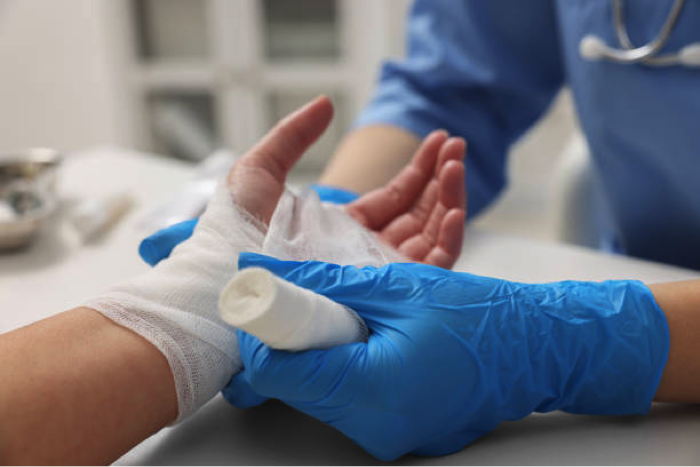
In Los Angeles, burn injury cases often turn on how a preventable fire or scald disrupted routines, work, and family life. That is why the narrative must align with precise medical detail and the perspective of exceptional burn injury litigators in Los Angeles, who understand local court procedures and liability standards.
A good lawyer listens for details that explain how the burn occurred, then checks them against records so the timeline stays consistent. That foundation reduces surprises later, makes depositions smoother, and keeps the story credible. It also helps the client feel prepared rather than rushed or second-guessed later.
Building proof of liability
A strong case does more than prove a burn occurred; it shows the chain of decisions that made it predictable and preventable. That usually starts with a careful timeline, saved evidence from the scene, and a look at the safety rules that were skipped, whether in a rental unit, a restaurant kitchen, or a product design. Records like maintenance logs, engineer reviews, and witness accounts help explain what should have happened and how there was time to fix it.
Small details, like damaged clothing or a photo of the scene can fill in missing pieces. Even a note from a witness can help. Defense teams may try to pin fault on the injured person or argue the harm was unavoidable, so the record has to meet those claims head-on.
Prior complaints, skipped training, or missed inspections can show the risk was known and still ignored. That kind of proof also explains why a safer option was realistic at the time.
Damages that reflect real impact
Burn injuries hurt in ways that linger, and recovery can include grafts, repeat procedures, therapy, and long stretches away from work. When rehabilitation lasts years and future care planning becomes the backbone of fair compensation. Life care planners map out therapy, medications, and likely revisions, and economists translate that plan into dollars. That keeps the figure honest and shows what long-term care really costs. Strong cases connect the numbers to real life—medical bills, missed paychecks, and lasting changes like scarring, sensitivity, or limited mobility. Photos showing progress, doctor’s notes, and day-in-the-life clips help convey the real impact of the injury without exaggeration.
Standards and safety context
Key takeaways
- Clear case themes and a consistent timeline make the story credible.
- Liability is stronger when safety rule violations are documented early.
- Future care planning and economic analysis support fair valuation.
- Medical proof and daily impact evidence help clearly demonstrate the extent of loss.
- Plain language connects legal standards to real-world prevention.
Other Articles You May Find of Interest...
- The Gut-Brain Connection After a Car Accident: Why Fatigue, Stress, and Digestive Symptoms May Last Longer Than Expected
- Why Rural Car Accidents Often Lead to Worse Outcomes
- The Legal and Medical Factors Behind Cardiovascular Disability Claims
- When Care Turns Into Harm: Understanding the Legal Side of Nursing Home Neglect
- What to Do After a Workplace Injury as a Hospital Employee in San Francisco, CA
- Whiplash, Fractures, and Internal Injuries: Breaking Down Truck Accident Trauma
- How Personal Injury Attorneys Work with Healthcare Providers to Support Patients




