More Legal and Health Articles
What to Do After a Workplace Injury as a Hospital Employee in San Francisco, CA
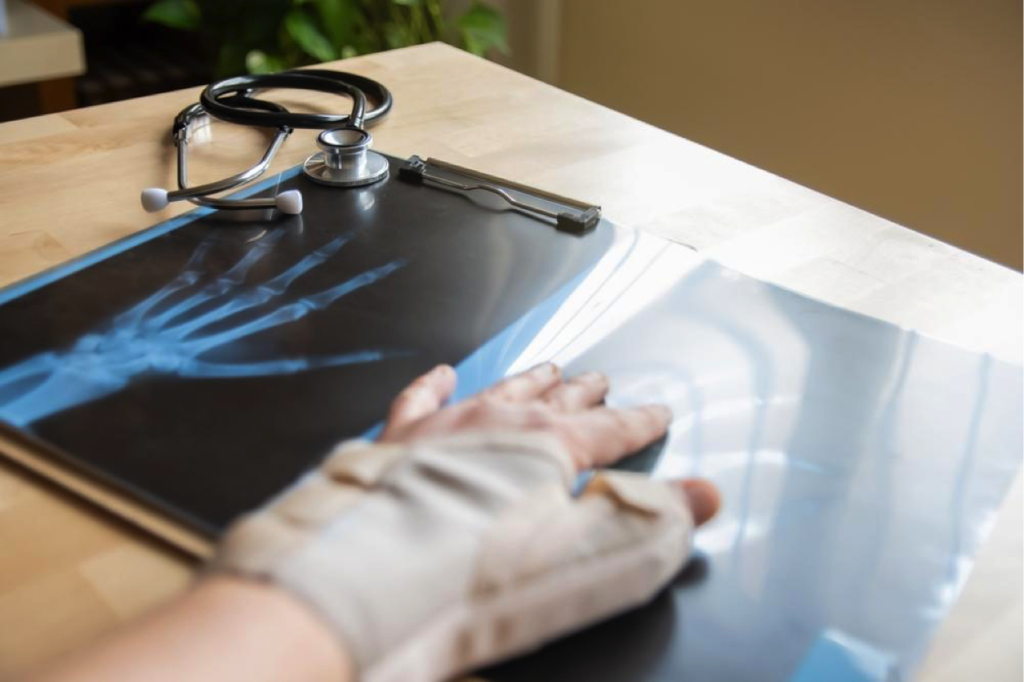
Hospital employees play a vital role in caring for patients and supporting medical teams every day. Their work often involves long hours, physical tasks, and fast-paced environments where unexpected accidents can occur. From assisting patients to handling medical equipment, healthcare workers face risks that many other professions may not encounter.
When a workplace injury happens, knowing what steps to take next can make a meaningful difference. Understanding the process early on may help hospital employees protect their health, their rights, and their financial stability. In many situations, speaking with a San Francisco hospital worker injury lawyer can help injured workers better understand their legal options after an accident on the job.
Common Causes of Hospital Worker Injuries
Hospitals are busy environments where multiple tasks happen at once. Even with safety procedures in place, workplace injuries can still occur.
Patient Handling and Lifting
Many healthcare workers regularly assist patients with moving, standing, or transferring between beds and equipment. Repeated lifting or sudden movements may lead to back injuries, muscle strains, or joint problems. Over time, these injuries can become serious and may affect a worker’s ability to perform daily tasks.
Slips, Trips, and Falls
Hospital floors can sometimes become wet due to spills, cleaning activities, or medical procedures. Crowded hallways, equipment cables, and rolling carts may also create obstacles. These conditions increase the risk of slips or falls that could result in fractures, sprains, or head injuries.
Exposure to Hazardous Materials
Healthcare professionals may come into contact with chemicals, medications, or infectious materials during their shifts. Without proper precautions, exposure to these substances may create health risks.
Workplace Violence
Unfortunately, hospital staff may occasionally face aggressive behavior from patients or visitors. Physical incidents in these situations can lead to injuries that require medical treatment and time away from work.
Report the Injury Immediately
One of the most important steps after a workplace injury is reporting the incident as soon as possible. Even if the injury appears minor at first, it should still be documented.
Hospital employees should notify a supervisor, manager, or human resources representative about the incident. Most healthcare facilities have specific procedures for reporting workplace injuries, and following these procedures ensures that the event is properly recorded.
Creating an official report helps establish a timeline and may prevent delays in the workers’ compensation process.
Seek Medical Attention and Follow Treatment
Medical care should always be a priority after any workplace injury. Prompt evaluation by a healthcare professional can identify the severity of the injury and determine the appropriate treatment plan.
In some cases, employers may require injured workers to visit an approved medical provider. Following medical instructions carefully and attending all recommended appointments is important for both recovery and documentation.
Employees should also keep copies of medical records, prescriptions, and treatment notes. These documents may be useful if the injury leads to a workers’ compensation claim.
Understand Workers’ Compensation Benefits
These benefits may include:
- Coverage for medical treatment related to the injury
- Temporary disability payments if the employee cannot work during recovery
- Rehabilitation or therapy services
- Compensation for long-term or permanent injuries
The specific benefits available often depend on the details of the incident and the medical evaluation of the injury.
Keep Detailed Records
Keeping organized records can be extremely helpful after a workplace accident. Documentation provides a clearer understanding of what happened and how the injury has affected the worker.
Important records may include:
- Copies of incident reports
- Medical records and treatment plans
- Emails or communication with supervisors or insurance representatives
- Documentation of missed workdays or reduced duties
Maintaining these records may help prevent misunderstandings and support any claims related to the injury.
Consider Legal Guidance if Challenges Arise
While many workplace injury claims move forward without major issues, some cases can become complicated. Delayed benefits, disputes with insurance providers, or denied claims may create additional stress for injured workers.
In these situations, seeking legal guidance may be helpful. A hospital worker injury lawyer in San Francisco, CA, can review the details of the case and help employees understand the steps available to address challenges in the claims process.
Conclusion
Hospital employees dedicate their time and skills to caring for others, often under demanding conditions. Unfortunately, workplace injuries can still happen despite safety efforts and professional training.
Knowing how to respond after an injury is essential. Reporting the incident quickly, seeking proper medical care, and keeping accurate records can help protect both health and legal rights. For hospital workers in San Francisco dealing with a workplace injury, consulting a San Francisco hospital worker injury lawyer may provide helpful guidance in understanding the claims process and exploring the options available for recovery and support.
Other Articles You May Find of Interest...
- The Physical and Emotional Recovery Timeline After a Car Accident
- How Are Lost Financial Support and Future Earnings Calculated in a Wrongful Death Case in Buffalo?
- What Michigan’s 12-Plant Home Grow Law Allows—and the Health and Safety Issues to Know
- What Actually Governs A Ketamine Clinic In Arizona
- How a Tucson Medical Malpractice Lawyer Reviews a Potential Claim
- 7 Steps to Protect Important Evidence After an Injury in Santa Monica
- How Are Future Medical Expenses Estimated in a Stockbridge Injury Settlement?