






Your Health Magazine
4201 Northview Drive
Suite #102
Bowie, MD 20716
301-805-6805
More Legal and Health Articles
6 Tips to Prove Medical Negligence in a Sepsis Case
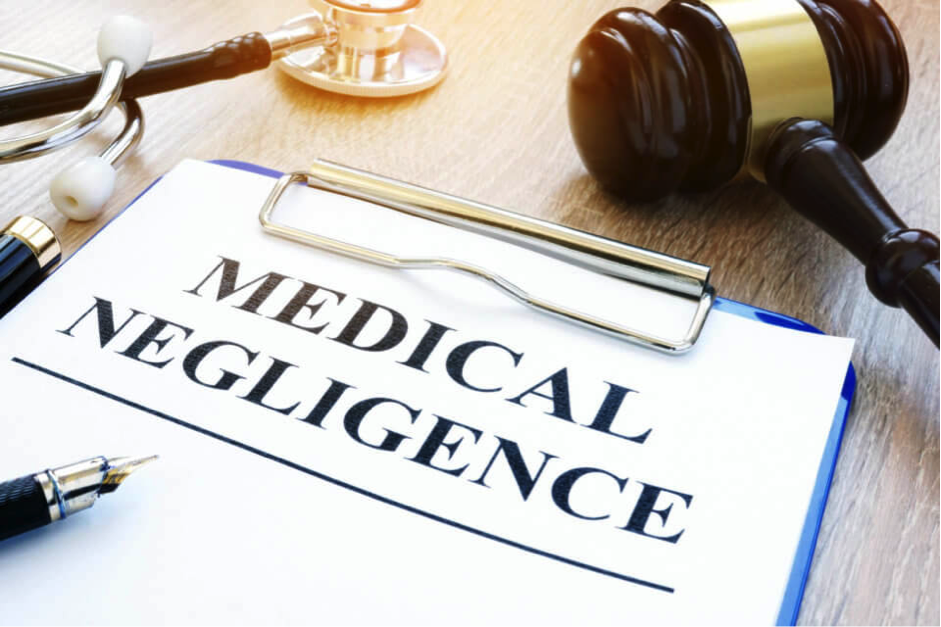
Sepsis, the most severe and time-sensitive medical emergency, can affect anyone at any time, and early diagnosis and prevention are crucial for good clinical results. It can start from something as small as an untreated infection and escalate rapidly into organ failure or death. When healthcare providers fail to examine or treat sepsis on time, the consequences for patients and families can be overwhelming.
That’s why many people begin looking into whether medical negligence played a crucial role. In many parts of the U.S., sepsis-related medical malpractice claims are often tied to delayed diagnosis, misread lab results, or failure to follow hospital standards.
Understanding how these claims work is the first step toward safeguarding your rights and holding healthcare providers accountable. If you are trying to prove that medical malpractice caused sepsis, it helps to know what evidence matters most and how negligence is legally established.
Below is a concise and simple guide to help you understand the negligence process:
Understanding Medical Negligence in a Sepsis Case
Medical negligence occurs when a healthcare provider fails to meet the accepted protocol of utmost care, and that failure directly causes danger to the patient.
In sepsis cases, medical negligence usually revolves around time. Sepsis progresses quickly, and even minimal delays can be a life-altering situation.
Common examples of medical negligence in sepsis cases include:
- Not considering early signs of sepsis infection
- Delaying antibiotics or IV fluids
- Failing to monitor worsening symptoms
- Discharging a patient too early
- Disobeying certain standards and protocols during sepsis screening time.
To succeed in a sepsis case, it must be shown that the provider’s actions (or inaction) directly led to the patient’s sepsis or made the outcome significantly worse.
6 Tips to Prove Medical Negligence in a Sepsis Case
Here are some of the key tips that prove medical negligence plays a vital role in a Sepsis Case.
- Show There Was a Doctor–Patient Relationship
The first step is establishing that the healthcare provider owed a duty of care. This is usually straightforward.
Evidence may include:
- Hospital admission records
- Appointment logs
- Emergency room intake forms
Once a health provider agrees to treat a patient, they are legally required to follow accepted medical standards.
- Find out the Accepted Care Protocol
The standard of care means what a reasonably experienced physician in the facility would have done in the same situation.
In sepsis emergency claims, this often includes:
- Recognizing infection warning signs
- Ordering blood test samples promptly
- Starting antibiotics within suggested timeframes
- Monitoring crucial signs closely
Medical guidelines and expert testimony are commonly used to define this care and quality standard.
- Prove the Standard of Care Was Breached
This plays a vital role in the medical negligence claim. You must reveal that the healthcare provider failed to act as they should have.
Examples of care breaches include:
- Misdiagnosing sepsis as a common illness
- Delaying treatment despite abnormal lab test results
- Not concerning patient complaints or family considerations
- Failing to escalate care when symptoms worsen
Medical records are crucial here, as they document what was done and what was not.
- Connect the Breach Directly to the Sepsis
Not every medical error leads to liability. You must show the proof that the healthcare provider’s failure can be the reason for sepsis or made it significantly worse.
This often involves:
- Comparing timelines of symptoms and treatment
- Revealing how earlier intervention could have prevented major problems
- Opinions from the medical experts explaining how delays increase risk
For example, if antibiotics were delayed by particular hours and the patient went into septic shock, that delay may establish causation.
- Documenting Damages Arising from Sepsis
A valid medical negligence claim needs extensive proof of damages as it pertains to actual loss that was caused by the negligence.
Damages can include things such as:
- Increased length of hospital stays or intensive care
- Enduring damage to organs
- Loss of limb or functional mobility
- Costs for medical treatment and future medical care
- Pain and suffering, emotional pain, or death as a result of negligence can all qualify.
Having proper documentation can demonstrate how severely sepsis affected an individual’s life.
- Using Medical Professionals to Assist with the Claim
Medical experts play a crucial role in cases of sepsis medical negligence. They will help check medical records and describe complicated medical conditions in a manner that is easy for others to understand.
Experts can:
- Define the proper standard of care
- Identify where treatment failed
- Explain how earlier care would have changed the result
Their testimony often makes the difference between a weak claim and a strong one.
Key Takeaways
- The majority of medical severities due to sepsis are related to delays in diagnosis or treatment.
- A medical negligence lawyer must establish duty, breach of duty, causation, and damages before they can prove their negligence case against the defendant.
- Over time, both medical records and professional witness testimonies become the primary form of proof for medical negligence.
- Prompt action enables you to preserve your medical records and obtain expert testimony, which improves your case.
Other Articles You May Find of Interest...
- A Practical Guide to Personal Injury Compensation: What’s Included and What’s Not
- 5 Signs the Insurance Adjuster Isn’t on Your Side (And What to Do Next)
- Brain Injuries at Birth: What Every Parent Should Know About Their Rights
- Common Injuries Bicycle Accident Victims Face
- Medical Chronology and Its Impact on IME Conclusions
- How Does a Birth Injury Lawyer in Columbus Help Distressed Families?
- How Planning Your Future Health and Legal Affairs Improves Long Term Wellness




