More Intravenous (IV) Therapy Articles
The Importance of Sterile Water for Injection in Medical Treatments
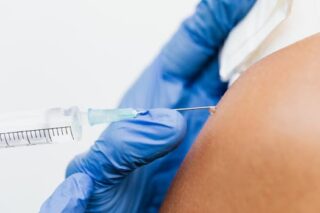
Imagine you’re in a hospital setting, preparing for a medical procedure, and you hear the nurse mention the use of sterile water for injection. You might wonder why it’s so crucial. In medical treatments, especially those involving injections, the use of sterile water is essential to prevent infections and ensure patient safety. Understanding the role of this special water can help demystify its importance in various medical procedures.
Why Medical Professionals Use Sterile Water for Injection
Sterile water for injection is a purified water devoid of any contaminants, specifically prepared for medical use. Its sterility means it contains no bacteria, viruses, or other microorganisms, reducing the risk of infections when administered intravenously or mixed with medications for injection.
This water type is often used as a diluent for reconstituting medications. Drugs that come in a dry or powdered form need to be diluted to be safely administered to patients. The sterility of the water ensures that the medication does not become contaminated, which could potentially lead to severe complications for the patient.
Common Uses in Medical Treatments
Sterile water for injection finds its use in various medical applications. One common use is the dilution of concentrated drugs to the desired strength. This is particularly important in chemotherapy, where precise medication dosing is crucial. It’s also utilized in hydration, serving as a solvent for intravenous fluids administered to patients who cannot consume water orally.
Furthermore, it plays a role in the research and preparation of many medications. In laboratory settings, it provides a baseline for tests and experiments, ensuring that any reactions are solely due to the subject being studied and not any impurities in the water used.
When to Seek Care
If you experience any unusual symptoms following an injection, such as swelling, redness, or pain at the injection site, it’s important to contact your healthcare provider. These could indicate an allergic reaction or infection. Nurse practitioners, physicians, or pharmacists are equipped to address these concerns and ensure such complications are handled efficiently. Regular follow-ups and monitoring after any medical treatment involving injections are advised.
Potential Challenges and Considerations
While sterile water for injection is safe, it’s essential to use it correctly. It should never be used as a standalone intravenous solution for hydration in individuals with electrolyte imbalances because it can lead to hemolysis (destruction of red blood cells). Healthcare providers are trained to make these distinctions, ensuring patient safety by selecting the appropriate fluids based on individual needs.
In hospitals, sterile water is meticulously stored to maintain its sterility. It’s vital for healthcare workers to observe these storage guidelines to prevent contamination, which could compromise patient safety. Facilities continually educate staff on best practices to uphold these standards.
Practical Questions About Medication and Sterile Water for Injection
When preparing to use a medication that requires dilution, always consult with a healthcare professional. They can provide guidance on whether sterile water or another type of diluent is necessary. Patients should never attempt to dilute medications at home without proper instruction and supervision.
Benefits in Everyday Healthcare
The use of sterile water for injection extends beyond hospitals. For individuals requiring home healthcare, such as those with chronic conditions needing frequent injections, understanding the vital role of this water is crucial. It empowers patients and caregivers to stay informed and engaged in their treatment plans.
In daily scenarios, sterile water ensures that medications are administered safely, maintaining their effectiveness and minimizing potential side effects caused by contaminants.
For those interested in broader health strategies, exploring safe and effective approaches can be beneficial. Check out safe and effective approaches to weight loss and hidden causes for more insights on maintaining health holistically.
External Health Resources
For more detailed information about the safe use and preparation of injections, visit the U.S. Food and Drug Administration website, which provides comprehensive resources for both healthcare providers and patients.
In conclusion, sterile water for injection remains a cornerstone of safe and effective medical treatment. It ensures that medications are delivered without risking contamination or infection. Whether you’re receiving care in a hospital or managing a condition at home, the integrity of sterile injections is integral to successful healthcare outcomes.
- Sterile water for injection prevents infection and ensures patient safety during medical procedures.
- It is commonly used as a diluent for reconstituting medications safely.
- Appropriate use of sterile water is crucial in both hospital and home healthcare settings.
- Consult healthcare professionals regarding specific medical needs and instructions.
- Visit trusted health sites for additional resources and information.
Common Questions
When should I see a doctor after an injection?
Contact your doctor if you notice any unusual symptoms following an injection, such as swelling, redness, or discomfort.
What type of professional can answer questions about injections?
Pharmacists and nurses are excellent resources for answering questions regarding injections and the use of sterile water.
Can sterile water be used for all types of injections?
Sterile water is primarily used for diluting or dissolving medications for injection. It’s crucial to follow medical guidance about its appropriate use.
What questions should I ask my doctor before an injection procedure?
Ask about the type of diluent being used, potential side effects, and aftercare necessary following the procedure.
Are there non-medical uses for sterile water?
While its primary use is medical, sterile water can also be used in laboratory settings for various control tests and experiments.
Other Articles You May Find of Interest...
- Albumin Infusion Side Effects and Reactions to Watch For
- Lump in Your Arm After an IV: Causes and Warning Signs
- Vitamin Booster Shots: Worth the Needle?
- What Patients Should Know Before Choosing An IV Hydration Clinic
- Is Your Bed Vibrating at Night? Understanding Possible Causes and Solutions
- Exploring the Role of Nidazole in Health and Wellness
- Navigating the Different Classes of Pulmonary Hypertension: What You Need to Know