






More Integrative Medicine Articles
Navigating Life After Fontan Surgery: Tips for a Healthier Future
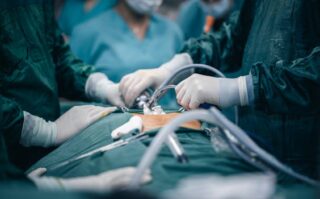
Fontan surgery is a complex procedure designed to treat patients with congenital heart defects. It helps in redirecting blood flow and improves oxygenation in the body. As people know, living with the aftermath of this surgical intervention requires ample care and thoughtful management. For those navigating life after a Fontan, understanding your health needs is paramount to maintaining a healthier future.
Understanding the Fontan Procedure
The Fontan procedure is typically performed on patients with single ventricle defects to improve the circulatory system’s efficiency. This procedure involves directing the venous blood directly to the pulmonary arteries, bypassing the heart. While it significantly improves oxygen levels, it is not a curative surgery. Instead, it makes the condition manageable, allowing for a better quality of life.
Health Management After Fontan
Post-surgery, managing health becomes essential for a long and healthy life. There are several areas to consider when planning your post-Fontan health strategy:
1. Regular Medical Check-ups
Consistent follow-up visits with a cardiologist are vital. These check-ups help monitor heart function, assess the condition of the Fontan circuit, and detect any potential complications early on.
2. Nutrition
A balanced diet plays an essential role in overall well-being. Incorporating heart-healthy foods, rich in fruits, vegetables, and lean proteins, can support heart health. For more guidance on effective weight management through diet, refer to our article on weight control, nutrition, and exercise.
3. Physical Activity
Moderate physical activity is often recommended, but it’s essential to have an exercise plan approved by your healthcare team. Exercise helps improve circulation and cardiovascular endurance, although the intensity should be aligned with personal capabilities.
4. Managing Stress
Life after Fontan can be stressful, which may affect heart health. Learning relaxation techniques, meditation, and engaging in hobbies can help maintain a calm mind. Discuss stress management strategies with your doctor if stress becomes overwhelming.
5. Medication Adherence
Medications may be prescribed to manage heart function or reduce fluid retention. Adhering to medication guidelines is crucial, as is consulting your healthcare provider before making any adjustments.
Additional post-Fontan issues such as arrhythmias, liver problems, and protein-losing enteropathy must be addressed with care and under medical supervision. Staying informed on these potential risks is vital.
Resources and Support
Connecting with support groups and resources can provide valuable information and emotional support. These networks often offer insights from those who have undergone Fontan surgery and face similar day-to-day challenges. It’s also helpful to educate family and friends about the condition to build a supportive environment.
External Resources for Further Reading
For more comprehensive information on congenital heart defects and Fontan surgery, reliable resources are available online. Consider exploring information from Wikipedia for a broader understanding of the topic.
Successful management of your health post-Fontan requires both personal diligence and professional medical support. While this journey may present challenges, numerous strategies and resources can aid in living a fulfilled life.
- Regular medical check-ups are crucial post-Fontan.
- A balanced diet and appropriate physical activity support heart health.
- Healthy stress management techniques are important.
- Understanding potential post-surgery complications is vital.
- Connect with support networks for shared experiences and guidance.
FAQ
What is the primary goal of the Fontan procedure?
The primary goal of the Fontan procedure is to improve oxygen delivery by modifying blood flow, particularly in those with complex congenital heart defects.
How often should post-Fontan check-ups be scheduled?
Check-ups should be tailored to individual needs, but generally, regular annual visits to a cardiologist are recommended to monitor heart function and health.
What types of foods should be included in a post-Fontan diet?
A heart-healthy diet rich in fruits, vegetables, whole grains, and lean proteins is advised, along with limiting salt and sugar intake.
What role does exercise play in life post-Fontan?
Exercise improves cardiovascular health and can enhance quality of life. It should be moderate and approved by your healthcare provider to be safe and effective.
Where can I find more information about living with Fontan circulation?
External resources such as Wikipedia provide detailed information on the Fontan procedure and living with its outcomes, supplemented by support from healthcare professionals.
Other Articles You May Find of Interest...
- Unlocking the Secrets of Wharton’s Jelly for Health and Healing
- Unlocking Hormonal Health: The Benefits of the Dutch Test
- Why You’re Still Tired
- The Vital Role of Protein C in Your Health
- What You Need to Know About Induction Therapy for Effective Treatment
- Exploring the Intricacies of Adrenal Gland Histology for Better Health Insights
- Unlocking the Benefits of MK 7 for Optimal Health




