






More Infertility Articles
Navigating Pregnancy Tests with Irregular Periods: When Should You Test?
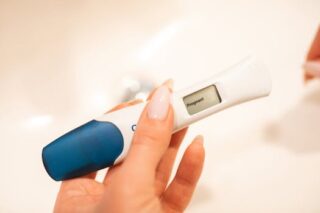
For those experiencing irregular periods, determining the right time to take a pregnancy test can be confusing. Irregular periods when to test for pregnancy is a common concern for individuals trying to understand their reproductive health. This article provides guidance on navigating pregnancy tests when your menstrual cycle is unpredictable.
Understanding Irregular Periods and Pregnancy Testing
Irregular periods can make the timing of pregnancy tests unclear. Generally, a period is considered irregular when the length of the cycle varies significantly from month to month. This variability can result from several factors, including stress, hormonal imbalances, or underlying health conditions.
When dealing with an irregular cycle, knowing the optimal time to take a pregnancy test can be challenging. Unlike those with regular cycles who can test a few days after a missed period, individuals with irregular cycles must consider different approaches for accurate results.
When to Test for Pregnancy with Irregular Periods
For those with irregular periods, the key is to look for other signs of pregnancy or changes in your body. A good rule of thumb is to wait at least three weeks after unprotected sex before taking a test. If you experience symptoms such as nausea, breast tenderness, or fatigue, they may also indicate it’s time to test.
Tracking ovulation can be beneficial. Using ovulation predictor kits or basal body temperature charts can help estimate when ovulation occurs and, consequently, identify a potential conception window. Testing about two weeks after suspected ovulation can be effective.
Factors Influencing Pregnancy Test Accuracy
Home pregnancy tests measure the level of human chorionic gonadotropin (hCG) in urine. This hormone is produced after a fertilized egg attaches to the uterus wall. For many, hCG is detectable 10-14 days after conception; however, in irregular periods, predicting this window is less straightforward.
Testing too early may lead to a false negative result. If the test is negative but you suspect pregnancy, wait a few days and test again. Consult with a healthcare provider for a blood test or guidance if uncertainty continues.
Considerations for Testing with Irregular Cycles
It’s worth noting that lifestyle factors like stress, changes in diet or weight, and excessive exercise can affect menstrual regularity. Monitoring these elements can support cycle tracking.
Moreover, certain medical conditions, such as polycystic ovary syndrome (PCOS) or thyroid disorders, can influence cycle regularity. Addressing any underlying health issues with a healthcare professional not only aids in pregnancy planning but also overall well-being.
What if the Test is Positive?
If a test confirms pregnancy, schedule an appointment with your healthcare provider to discuss prenatal care. Early medical consultation can help ensure a healthy pregnancy journey.
The Role of Healthcare Professionals
While home pregnancy tests can offer quick answers, consulting a healthcare provider remains essential, particularly when dealing with irregular periods. Professional advice can offer clarity and support through further testing or with addressing health concerns contributing to menstrual irregularities.
For more insights on managing health challenges, consider exploring additional resources. One such article, Breaking the Chains of Addiction: Understanding the Stages of Recovery, highlights how professional support can be vital in overcoming health adversity.
Wrapping Up: Irregular Periods When to Test for Pregnancy
Understanding the connection between irregular periods and pregnancy testing can empower you to take proactive steps in your reproductive health journey. Determining the right time for a pregnancy test with irregular periods requires awareness and, often, patience. Always consider following up with a healthcare provider for personalized advice and support.
- Irregular periods can complicate the timing of pregnancy tests.
- Symptoms like nausea or breast tenderness may indicate it’s time to test.
- Timing tests at least three weeks post-unprotected sex can enhance accuracy.
- Consult healthcare providers when in doubt or dealing with underlying conditions.
- Tracking ovulation can support reliable testing.
Frequently Asked Questions
How soon can I test for pregnancy with irregular periods?
It’s recommended to wait at least three weeks after unprotected intercourse or until noticeable pregnancy symptoms develop before testing.
Can stress cause irregular periods?
Yes, stress can significantly impact menstrual regularity, leading to longer or skipped cycles.
What if my test is negative, but I feel pregnant?
If you have a negative test but suspect pregnancy due to symptoms, consider retesting in a few days or consult a healthcare professional for a more definitive test.
Do irregular periods affect fertility?
Irregular periods can make it harder to predict ovulation, but they do not necessarily affect fertility. Consultation with a healthcare provider can offer more individualized information.
Where can I find more information about pregnancy and irregular periods?
For further reading and external insights, you can visit this Health page on Wikipedia.
Other Articles You May Find of Interest...
- Exploring the Significance of Decidual Cast Images in Women’s Health
- Timing Your Ovulation: How Long After the LH Surge?
- Fecundity vs Fertility: What’s the Difference and Why It Matters?
- Understanding Teratozoospermia and Its Impact on Male Fertility
- What Can HCG Qualitative Tests Reveal About Your Health?
- Why More Intended Parents Choose a Professional Surrogacy Agency for Surrogacy in Ukraine
- Tracking Cervical Mucus: Your Guide to Understanding Fertility



