






More Imaging Articles
What to Expect from a CT Urogram Procedure?
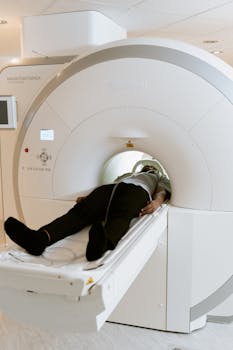
If you’re scheduled for a CT urogram, you might be wondering what this procedure entails and why your doctor has recommended it. A CT urogram is a specialized imaging test primarily used to examine the urinary tract, including the kidneys, ureters, and bladder. This test is crucial for diagnosing various conditions such as kidney stones, urinary tract infections, and tumors. In this article, we will delve into the specifics of a CT urogram to help you understand what to expect and how to prepare.
What is a CT Urogram?
A CT urogram combines computed tomography (CT) scanning technology with contrast material to produce detailed images of the urinary tract. Unlike a standard x-ray, a urogram CT provides cross-sectional views that offer more comprehensive information about the organs and any potential abnormalities within them. During this procedure, a contrast dye is usually administered to enhance the visibility of the urinary tract structures.
Doctors often recommend a CT urogram when there are symptoms suggesting possible issues with the urinary system, such as blood in the urine, recurrent infections, or unexplained abdominal pain. The images obtained can help in assessing these symptoms and planning further treatment if necessary.
How to Prepare for a CT Urogram
Preparing for a CT urogram typically involves several steps to ensure the clarity and effectiveness of the imaging. Here’s what you might expect in terms of preparation:
- Consultation with Your Doctor: Before the procedure, discuss any medications you are taking and allergies, especially to iodine or contrast materials. Your doctor will advise if you need to discontinue any medications temporarily.
- Fasting Requirements: You may be instructed not to eat or drink anything a few hours before the procedure to avoid interference with the final results.
- Clothing and Jewelry: You will likely need to wear a hospital gown for the procedure and remove any jewelry or metal objects that could distort the images.
The CT Urogram Procedure Step-by-Step
The CT urogram itself is relatively straightforward and usually completed within an hour. Here’s what you can generally expect during the procedure:
- Administration of Contrast Dye: A healthcare professional will inject a contrast dye into your bloodstream, which highlights the urinary tract in the images. Some individuals may feel a warm sensation or a metallic taste when the dye is injected.
- CT Scan Process: You will lie on a motorized table that slides into the CT scanner. It’s important to remain very still during the scan to ensure high-quality images. The machine’s circular part will rotate around you to capture detailed images.
- Post-Procedure Monitoring: After the scan, you might be monitored for a short time to ensure there are no adverse reactions to the contrast dye. If everything is normal, you’ll be discharged shortly after.
Understanding the Results of a CT Urogram
Once the CT urogram is completed, the images will be analyzed by a radiologist. The detailed images allow for the detailed assessment of the urinary tract’s anatomy and any possible anomalies. Depending on the findings, further investigations or treatments may be necessary. It’s crucial to discuss the results with your doctor to understand the implications fully and plan the next steps.
Benefits and Risks of a CT Urogram
Like any medical procedure, a CT urogram has its benefits and risks. Understanding these can help alleviate any concerns and prepare you for a more informed discussion with your healthcare provider.
- Benefits: The primary advantage of a CT urogram is its ability to provide precise images, which can be critical for diagnosis and decision-making. It’s less invasive compared to other methods, making it an attractive choice for both patients and healthcare providers.
- Risks: While generally safe, the procedure does involve exposure to radiation. Additionally, there’s a small risk of an allergic reaction to the contrast dye. It’s crucial to talk to your doctor if you have any concerns about these risks.
You can read more about a new approach to addressing mental health challenges in the article exploring new therapies to treat OCD.
Conclusion
A CT urogram is a powerful diagnostic tool that provides detailed insights into the health of your urinary tract. Whether you’re experiencing symptoms like unexplained abdominal pain or have been advised to undergo the test for other reasons, understanding the procedure can help ease anxieties and prepare you for the experience. Talk to your healthcare provider about any questions or concerns you may have to ensure you receive the best possible care. For further reading, check out this informative article on urograms.
Takeaways
- A CT urogram is a detailed imaging procedure for assessing the urinary tract.
- Preparation involves discussion with your doctor about medications and allergies.
- The procedure uses a contrast dye to enhance image quality.
- It is essential to discuss the results thoroughly with your healthcare provider.
- Always consult a medical professional regarding any risks involved.
FAQ
What is a CT urogram used to diagnose?
A CT urogram is used to diagnose various urinary tract conditions, including kidney stones, infections, and tumors. It provides detailed images of the kidneys, ureters, and bladder.
Is a urogram the same as a CT urogram?
While they are related, a CT urogram specifically uses CT imaging combined with a contrast dye to obtain detailed images. A standard urogram may use other imaging techniques without CT.
How long does a CT urogram procedure take?
The procedure itself typically takes about 30 to 60 minutes. You might need to allocate additional time for preparation and post-procedure monitoring.
Are there any side effects from the contrast dye?
Some people may experience a warm sensation or a metallic taste when the dye is injected. Serious allergic reactions are rare, but it’s important to inform your healthcare provider of any previous reactions to contrast material.
Can I drive myself home after a CT urogram?
In most cases, you can drive yourself home after the procedure. However, if you feel unwell or experience any adverse reactions, it’s advisable to have someone accompany you.
Other Articles You May Find of Interest...
- What to Expect from a CT Urogram Procedure?
- How to Prepare for an MRI: 6 Important Things to Know
- MRI vs CT Scan for Brain Imaging: Which is the Better Choice?
- Fibroglandular Density: Understanding Its Role in Breast Health
- Fibroglandular Density: Understanding Its Role in Breast Health
- Fibroglandular Density: Understanding Its Role in Breast Health
- Fibroglandular Density: Understanding Its Role in Breast Health




