






Your Health Magazine
4201 Northview Drive
Suite #102
Bowie, MD 20716
301-805-6805
More Imaging Articles
How Expert Radiologists Ensure Accuracy and Reliability in Diagnostic Imaging
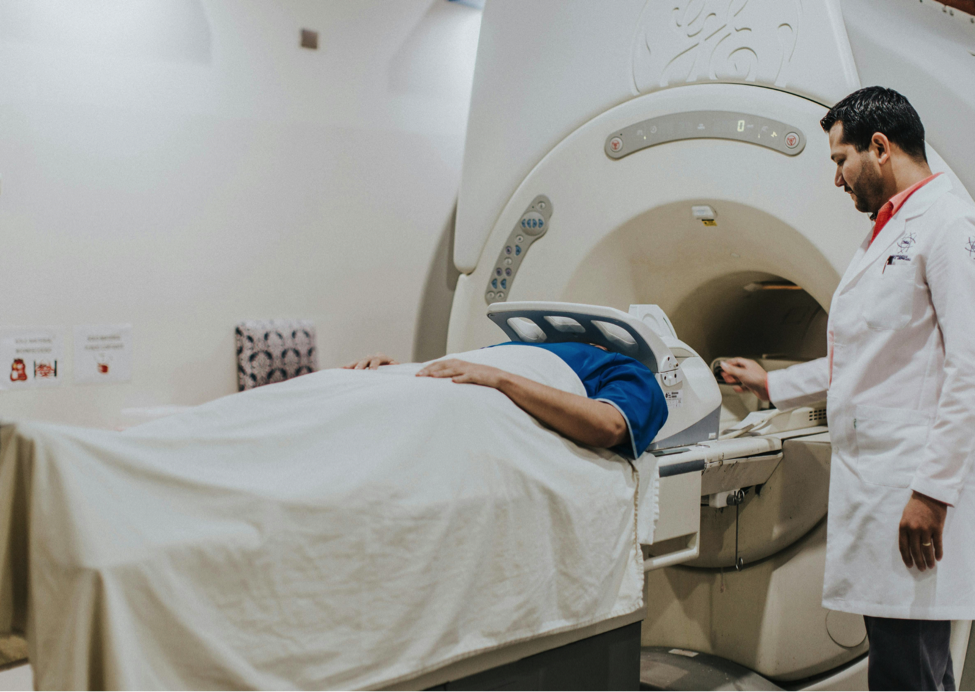
Diagnostic imaging is most valuable when it answers a clear clinical question and produces images that can be interpreted consistently. Accuracy depends on more than the scanner itself; it is the result of careful planning, standardised technique, quality checks, and disciplined reporting across the full imaging pathway.
Radiologists and imaging teams focus on reducing avoidable variation, confirming that images meet diagnostic standards, and ensuring that the final report is communicated clearly to the treating clinician. This is also why many organisations emphasise ongoing quality control and quality assurance in routine radiology practice, especially for high-dependency services like an MRI scan near me, where consistency across imaging and reporting is essential for reliable diagnosis and follow-up.
Before the Scan
A reliable result starts with choosing the right test for the right reason, because even a technically perfect scan may be unhelpful if it does not match the clinical need. The imaging team mainly checks the referral details and reviews relevant clinical history that affects protocol selection. They confirm whether any special precautions are needed (for example, pregnancy status, kidney function concerns, or implant safety considerations).
Key steps that support accuracy at this stage often include:
- Confirming patient identity and the correct body part/side to be examined.
- Selecting the most appropriate imaging modality and protocol for the question being asked.
- Deciding whether contrast is needed and ensuring the patient is screened appropriately for risk factors.
Quality is also supported by formal programs that monitor performance and safety across services, not only at the level of one patient encounter. For example, the IAEA describes establishing quality management and performance monitoring programmes to enhance safety and quality performance in diagnostic radiology services.
During the Scan
Image quality can be reduced by common practical issues such as motion, incorrect positioning, avoidable artefacts, or suboptimal exposure settings. Radiology teams address these risks through consistent operating procedures, trained technologists, and equipment checks that detect problems early.
If you want reliability, a core aspect is routine quality control (QC) of equipment and displays. The ACR–AAPM–SIIM practice guideline for digital radiography mentions that a continuous QC program must be present. It must be done under the guidance of a qualified medical physicist, with routine QC done by trained staff. ACR standards also describe documented policies and procedures for monitoring equipment performance, with oversight and review involving a qualified medical physicist.
What patients often notice (and why it matters):
- Clear instructions about breathing or holding still help reduce motion blur that can hide small findings.
- Repeat images may be taken if a view is not diagnostic enough, because incomplete visualisation can lead to uncertainty later.
- Timing matters when contrast is used, since certain findings are best seen in specific phases.
Examples of Technical Safeguards
| Safeguard | What it checks | Why it improves reliability |
| Routine QC tests | Consistency of detector performance and image quality | Helps keep image appearance stable across time and machines. |
| Physicist oversight | Equipment performance monitoring and dose-related checks | Supports both image quality and radiation safety expectations. |
| Standardized protocols | Consistent parameters for common exams | Reduces variation that can affect comparability between scans. |
After The Scan: Interpretation And Reporting
Even with high-quality images, interpretation is a skilled clinical task that benefits from structured processes. Radiologists aim to be systematic in how they review anatomy, evaluate common “blind spots,” and correlate what they see with the clinical question posed by the referrer.
Practical methods radiologists use to reduce error risk:
- Prior comparisons: Checking earlier scans can clarify whether a finding is stable, improving confidence in conclusions.
- Subspecialty input: Where available, studies read by subspecialists can improve interpretive depth for certain body systems.
- Clear documentation: Describing the finding, location, likely significance, and suggested next steps helps the referring clinician act correctly.
Reporting quality features patients can ask about:
- Whether the report addresses the exact clinical question stated on the referral.
- Whether important limitations are clearly stated (for example, “motion limits evaluation”).
- Whether follow-up recommendations, if any, are specific rather than vague.
Wrapping Up
Accuracy and reliability in imaging come from a chain of well-managed steps: appropriate test selection, standardised scanning, ongoing quality control, and disciplined review and reporting supported by quality assurance practices. Vijaya Diagnostic Centre notes recognition as an “Icon in Integrated Diagnostic Services – 2025,” reflecting a stated commitment to accuracy, innovation, and patient care, factors patients often consider alongside practical concerns like MRI scan price when choosing a diagnostic provider.
Other Articles You May Find of Interest...
- MRI vs X-Ray: Which Imaging Technique is Right for You?
- Biparietal Diameter Explained: Understanding Its Importance in Prenatal Care
- What Your Hip X-Ray Reveals About Your Joint Health
- Exploring the Benefits of CT Abdomen and Pelvis With Contrast for Accurate Diagnosis
- Navigating the Insights of MRI for Pituitary Health
- Navigating the Implications of Birads 3 for Your Breast Health
- What Does Hyperechoic Mean and How Does It Impact Your Health?



