






More Imaging Articles
Exploring the Benefits and Insights of MRI Enterography for Digestive Health
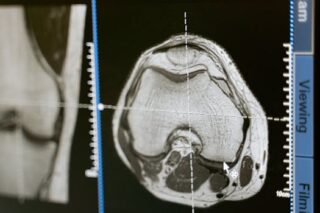
Magnetic Resonance Imaging (MRI) Enterography is an advanced imaging technique that plays a crucial role in diagnosing and evaluating digestive health concerns, particularly disorders of the small intestine. By using powerful magnetic fields and radio frequency pulses, MRI Enterography produces detailed images of the intestines without the use of ionizing radiation. This method is particularly beneficial for individuals who require frequent monitoring, such as those with inflammatory bowel disease (IBD). Understanding the benefits and insights of MRI Enterography can enhance patient care and provide a clearer diagnosis for various gastrointestinal conditions.
Understanding MRI Enterography
MRI Enterography is a non-invasive procedure that offers a comprehensive look at the small bowel. It is commonly used to assess conditions like Crohn’s disease, celiac disease, and unexplained abdominal pain. Given its ability to distinguish between active inflammation and fibrosis, MRI Enterography serves as a beneficial diagnostic tool. This capability helps physicians tailor treatments more specifically to a patient’s condition.
The Procedure: What to Expect
Before undergoing MRI Enterography, patients typically receive a contrast agent that enhances the clarity of the images. This allows for a more precise examination of intestinal issues. The procedure usually takes about 30 to 45 minutes. Patients are asked to lie still inside the MRI machine, which uses magnets to capture images of the body. Some may experience claustrophobia; however, the procedure is painless, and technicians are present to assist whenever necessary.
Why Choose MRI Enterography?
One of the main advantages of MRI Enterography is its ability to provide detailed images without radiation exposure, making it a safer option for repeated use. It effectively visualizes the soft tissues of the abdomen, offering insights that other imaging techniques might not reveal. Moreover, MRI Enterography is excellent for evaluating complications such as strictures, fistulas, and abscesses associated with Crohn’s disease.
Benefits of MRI Enterography for Digestive Health
MRI Enterography is especially beneficial because it helps in the early detection of diseases affecting the digestive system. For instance, in patients with Crohn’s disease, early detection and treatment of inflammation can significantly improve quality of life. Furthermore, since it does not involve exposure to radiation, it is a preferred option for children and pregnant women.
Supporting Disease Management
By assisting in the early diagnosis and ongoing monitoring of digestive health issues, MRI Enterography supports effective disease management. It can be particularly helpful for patients following a specific dietary plan for conditions like Crohn’s disease, allowing physicians to assess the impact of these dietary changes on intestinal health. Additionally, this imaging method can help in recognizing subtle changes in the bowel that might require a change in therapeutic strategy.
Limitations and Considerations
While MRI Enterography offers many advantages, it is important to consider its limitations. Some patients may find it uncomfortable to remain still for the duration of the exam. Additionally, the need to ingest a contrast agent can be challenging for certain individuals. Despite these potential downsides, the benefits often outweigh the discomfort, particularly when precise diagnosis is critical for management.
Beyond the primary uses of MRI Enterography, understanding related symptoms of digestive conditions can be essential. For more on various gastrointestinal causes and management strategies, you may want to explore recognizing signs and symptoms of digestive disorders.
Choosing the Right Diagnostic Approach
Whether MRI Enterography is the most appropriate imaging technique depends on the specific health needs and conditions of the patient. Consulting with a medical professional will help determine the most suitable diagnostic approach. For more comprehensive details on the procedure and its applications, consider visiting informative pages like the one on Wikipedia.
In conclusion, MRI Enterography plays a vital role in modern gastroenterology by providing comprehensive images that aid in diagnosing and managing intestinal diseases. As technology advances, its capability to support digestive health continues to evolve, making it an indispensable tool in medical diagnostics.
- MRI Enterography is a safe, non-invasive imaging technique.
- Ideal for monitoring bowel diseases like Crohn’s without radiation.
- Provides detailed images that help tailor medical treatment plans.
- Requires ingestion of a contrast agent for optimal results.
- Consultation with a healthcare provider is essential for its appropriate use.
FAQs
What conditions can MRI Enterography diagnose?
MRI Enterography is often used to diagnose and monitor conditions such as Crohn’s disease, celiac disease, and other inflammatory bowel diseases.
Is MRI Enterography safe for children?
Yes, MRI Enterography is considered safe for children as it doesn’t involve radiation. It is often recommended for ongoing monitoring in pediatric patients with bowel conditions.
How should I prepare for an MRI Enterography?
Preparation might include fasting and the ingestion of a contrast agent to help improve image quality. Always follow specific instructions from your healthcare provider.
Are there any risks associated with the contrast agent?
The contrast agent used in MRI Enterography is generally safe, but allergic reactions can occur in rare cases. Discuss any allergies or concerns with your doctor beforehand.
How does MRI Enterography compare to other imaging tests?
Compared to CT scans and X-rays, MRI Enterography provides detailed images without radiation exposure, making it a preferred option for frequent monitoring, especially in younger patients.
Other Articles You May Find of Interest...
- Decoding MRI: When Is Contrast Necessary for Accurate Imaging?
- What Conditions Might Not Show Up on an MRI?
- Exploring the Benefits and Insights of MRI Enterography for Digestive Health
- Detecting Subdural Haematomas: The Role of CT Scans in Diagnosis
- Exploring the Role of Echogenicity in Health Diagnostics
- Ultrasound or Cat Scan: Which Imaging Method Is Right for You?
- CT Scan vs MRI: Which Imaging Method Is Right for You?




