






More Imaging Articles
Decoding MRI: When Is Contrast Necessary for Accurate Imaging?
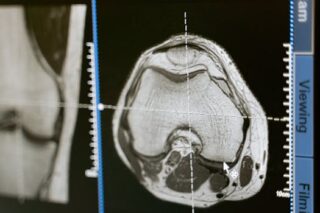
Magnetic Resonance Imaging, commonly known as MRI, is a powerful diagnostic tool used by healthcare providers to visualize internal structures of the body. One critical consideration when scheduling an MRI is deciding whether the scan requires a contrast agent. This leads many to wonder about an MRI with or without contrast and which is more appropriate for their specific condition. Understanding the difference and significance of each can aid in better preparation and informed decision-making.
MRI With or Without Contrast: Understanding the Differences
In an MRI without contrast, the scan relies solely on the strong magnetic fields and radio waves to produce images. This approach is often adequate for assessing various anatomical features and distinguishing between healthy and abnormal tissues. This scan type is particularly useful for evaluating bones, joints, and organs such as the brain and spine.
An MRI with contrast involves the administration of a gadolinium-based dye to enhance the images. This contrast helps highlight blood vessels, inflammation, and abnormal tissues, such as tumors, by making them more visible in the images. This can be crucial for detailed assessments where subtle differences need to be detected.
When Is Contrast Necessary?
The decision to use contrast in an MRI depends on several factors, including the specific medical question at hand, the anatomical area being imaged, and the patient’s medical history. For instance, MRIs for certain brain conditions, such as diagnosing multiple sclerosis or detecting small tumors, may benefit significantly from the administration of contrast.
Contrast-enhanced MRIs are also valuable in determining the extent of infection or inflammation, as well as in vascular imaging to assess blood flow or visualize blockages. However, for conditions like regular joint assessments or evaluating physical injuries, an MRI without contrast might suffice.
Safety and Considerations
While MRIs with contrast agents are generally safe for most patients, they may not be appropriate for everyone. Those with kidney issues or allergies to gadolinium should discuss alternative options with their healthcare provider. The need for contrast is carefully weighed against its risks, ensuring that patient health remains the priority.
Patients are encouraged to have a thorough discussion with their doctors to understand whether an MRI with or without contrast is beneficial for their specific situation. For more on how imaging can inform health decisions, you may find our article on safe and effective approaches in healthcare informative.
The Technique of MRI With and Without Contrast
The actual process of undergoing an MRI with or without contrast is similar, with the main difference being the administration of the contrast agent. For contrast-enhanced MRIs, the contrast is often injected through an IV line during the procedure. Patients might be asked to stay still or adhere to specific breathing instructions to ensure high-quality imaging.
An MRI without contrast, on the other hand, follows the standard procedure without any additional injections, making it less invasive for patients. Both types seek to provide a comprehensive understanding of the body’s internal conditions, aiding in diagnostic accuracy.
Why Choose Each Type?
The choice between an MRI with or without contrast depends on clinical necessity and patient safety. MRIs with contrast are preferred when the diagnostic benefits justify the added step of using gadolinium. Meanwhile, for general assessments, an MRI without contrast can still offer detailed imagery without the need for contrast agents.
Both types of scans are integral to modern diagnostics, allowing healthcare practitioners to make more informed treatment decisions. For further information on MRI technology and its applications, you can explore resources from reputable sources like Wikipedia.
Making Informed Imaging Decisions
Ultimately, the decision to have an MRI with or without contrast is made collaboratively between the patient and medical professionals, based on the specific context of the medical evaluation. As with any medical procedure, understanding the purpose and potential benefits is crucial.
In summary, an MRI with or without contrast serves a fundamental role in diagnostic imaging, tailored to meet individual healthcare needs while balancing safety considerations.
- MRIs can be performed with or without contrast based on medical need.
- Contrast agents improve visibility of certain structures in the body.
- Patient safety and medical necessity drive the choice for contrast.
- Both non-contrast and contrast-enhanced MRIs provide valuable diagnostic information.
- Consult medical professionals to determine the most appropriate type of MRI.
Frequently Asked Questions
What is the difference between an MRI with and without contrast?
An MRI with contrast uses a gadolinium-based dye to make certain tissues and blood vessels more visible, enhancing the detail in images. An MRI without contrast relies solely on magnetic fields and radio waves without additional dye.
When is contrast necessary for an MRI?
Contrast is often necessary when evaluating tumors, blood flow, infections, or inflammation. It helps to identify subtle differences that might not be visible on a non-contrast MRI.
Is contrast safe for everyone?
While MRIs with contrast are generally safe, they are not suitable for everyone. Individuals with kidney problems or severe allergies to contrast agents should consult their healthcare provider for alternatives.
Does an MRI without contrast still provide accurate diagnoses?
Yes, an MRI without contrast can still offer detailed images and is often used for general assessments, injuries, and structural abnormalities without the need for enhanced visualization.
How should I prepare for an MRI with contrast?
Preparation for a contrast-enhanced MRI may involve fasting for a few hours prior, informing the technologist of any allergies, and discussing recent medical history, especially related to kidney function.
Other Articles You May Find of Interest...
- Decoding MRI: When Is Contrast Necessary for Accurate Imaging?
- What Conditions Might Not Show Up on an MRI?
- Exploring the Benefits and Insights of MRI Enterography for Digestive Health
- Detecting Subdural Haematomas: The Role of CT Scans in Diagnosis
- Exploring the Role of Echogenicity in Health Diagnostics
- Ultrasound or Cat Scan: Which Imaging Method Is Right for You?
- CT Scan vs MRI: Which Imaging Method Is Right for You?




