






More Imaging Articles
Decoding Cat Scans: The Most Common Reasons You Need One
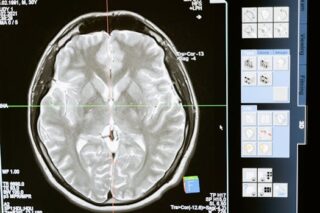
Certain medical procedures become familiar by name but may remain somewhat mysterious in their details, such as cat scans. These diagnostic tools are integral to modern medicine, helping doctors gather essential information about the body’s internal structures. Commonly referred to as CT scans, they equip healthcare professionals with a clearer view of different body systems, assisting in diagnosis and treatment planning. Let’s explore what cat scans are and the typical scenarios they are used for.
Understanding Cat Scans
A cat scan, short for computed tomography scan, is an imaging procedure that combines a series of X-ray images taken from different angles around the body. Using computer processing, these images produce cross-sectional pictures, considered more detailed compared to standard X-rays. These scans can reveal the inner details of various body parts, including organs, bones, soft tissues, and blood vessels.
One external trusted source explains cat scans are particularly beneficial because they provide much more information than a regular X-ray. This precision and clarity enable healthcare practitioners to pinpoint issues that might otherwise go unnoticed.
Common Reasons for Cat Scans
What is the most common reason for a CT scan? It’s often used to diagnose or monitor conditions such as trauma, cancer, or heart disease. Cat scans are indispensable in emergency settings where immediate imaging is required to assess injuries or other acute medical conditions.
Examining Internal Injuries
One of the most common applications of cat scans is in the analysis of internal injuries following an accident or fall. When a patient presents with severe abdominal or cranial trauma, CT scans provide rapid, detailed visuals that can identify internal bleeding, fractures, or organ damage.
Detecting and Monitoring Tumors
Another prevalent use for cat scans is in oncology. They play a significant role in detecting tumors, assessing their size and location, and determining whether they have spread. Cat scans also support ongoing cancer treatment by helping to monitor tumor response to therapies over time.
Investigating Symptoms
Cat scans can also be used when symptoms are unexplained and more information is needed. For instance, if a person suffers from persistent headaches, a CT scan can help rule out disorders such as brain hemorrhages or lesions.
Assessing Blood Vessels and Heart Health
Angiograms conducted through cat scans provide crucial insights into vascular health. By detailing blood flow and blockages, these scans can assess heart health and aid in the planning of surgical interventions.
The Procedure: What to Expect
Receiving a cat scan is relatively straightforward and non-invasive. Generally, patients need to lie on a table that slides into a doughnut-shaped scanner. Once in position, they must remain still as the scanner rotates around them, capturing images. The process usually takes only a few minutes, although specific scans may take longer, particularly if they require a contrast dye to highlight certain areas.
While cat scans involve exposure to radiation, the levels are relatively safe, especially when weighed against the detailed diagnostic information they provide. As always, individuals with concerns should discuss them with their healthcare provider.
Holistic Considerations
Although cat scans are critical in advanced diagnostics, some patients also explore complementary approaches to their health care. To understand how these approaches compare with traditional methods, you can explore an evidence-based perspective on holistic vs. traditional medicine.
Wrap-Up
In modern medicine, cat scans have become a cornerstone of diagnosis and treatment, shedding light on various medical mysteries within the human body. Whether assessing trauma, examining tumors, or investigating unexplained symptoms, cat scans offer valuable information that aids in crafting personalized treatment strategies. As with all medical procedures, discussing potential risks and benefits with a healthcare provider is crucial to making an informed decision.
Takeaways
- Cat scans offer detailed images of internal structures to aid diagnosis.
- They are commonly used to assess injuries, tumors, and cardiovascular health.
- The procedure is quick, with minimal discomfort and radiation exposure.
- Cat scans can play a role in holistic diagnostic approaches with traditional medicine.
- Always discuss concerns or questions with your healthcare provider for personalized guidance.
FAQ
What makes cat scans different from standard X-rays?
Cat scans provide more detailed cross-sectional images from multiple angles, offering enhanced information compared to standard X-rays.
Are there risks associated with cat scans?
While they do involve radiation exposure, the levels are generally low and considered safe for most patients. Discuss any concerns with your healthcare provider.
Do I need any preparation before a cat scan?
Preparation may vary; some cat scans require fasting or a special dye. Always follow specific instructions from your healthcare team before the procedure.
How long does a cat scan take?
Most cat scans are quick, typically taking just a few minutes. The specific time may vary depending on the type of scan required.
Can children undergo cat scans safely?
Yes, children can have cat scans, but healthcare providers often assess risk versus benefit to minimize radiation exposure. Always consult with a pediatrician for guidance.
Other Articles You May Find of Interest...
- CT Scan vs MRI: Which Imaging Method Is Right for You?
- Recognizing Pneumothorax: Insights from Chest X-Ray Imaging
- Exploring the Anatomy of Sinuses Through X-Ray Imaging
- Navigating the Fleischner Criteria for Lung Nodule Management
- Unlocking the Benefits of Digital Subtraction Angiography for Improved Vascular Imaging
- Navigating the Implications of Birads 2 in Breast Imaging
- Exploring the Benefits and Applications of Radiopaque Materials in Healthcare




