






More Hospice & Palliative Care Articles
Navigating Life After Fontan Surgery for Heart Health
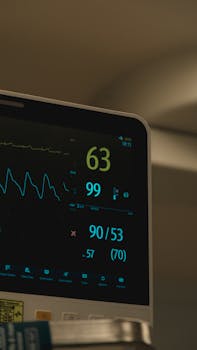
Imagine watching your child grow up with a heart condition that required surgery—specifically, a fontan op. This complex procedure, while life-saving, introduces a new chapter filled with unique challenges and milestones. After undergoing a fontan op, navigating daily life can firsthand feel daunting, as it often comes with a new health regime and guidelines that families need to adapt to ensure well-being.
What Happens After a Fontan Op
A fontan op is a pivotal step in managing complex congenital heart defects. Post-surgery, patients and their families need to adapt to lifestyle changes aimed at supporting heart health. Regular check-ups, maintaining a balanced diet, and monitoring physical activity become part of the routine. Each of these factors plays a crucial role in minimizing complications and maximizing quality of life.
The Importance of Physical Activity and Nutrition
Engaging in regular physical activity is crucial to maintain cardiovascular health after a fontan op, but patients must balance exertion with safety. Activities should be mild to moderate unless otherwise advised by a healthcare provider. Tailored guidance is crucial; something as simple as incorporating light aerobic exercises could be beneficial.
Keeping a balanced diet rich in nutrients helps boost energy levels and supports overall heart health. Families can benefit from consulting with a nutritionist skilled in managing post-operative dietary needs. You can explore additional fitness tips for teens if you’re raising older children post-surgery.
Monitoring Health Changes
Regular monitoring post-fontan op is vital. Fluctuations in heart function, oxygen levels, and energy levels can occur. Patients may require periodic testing such as echocardiograms or blood tests to ensure everything is optimal. Any persistent change such as increased fatigue, swelling, or shortness of breath should always be reported to a medical professional.
Medications: Day-to-Day Expectations
Many individuals who have undergone a fontan op are on long-term medication regimens. These can include blood thinners, diuretics, or medications to manage heart rhythm. It’s essential for caregivers and patients to understand medication schedules, potential side effects, and the importance of adherence.
In some cases, side effects may fade over time, while new symptoms may emerge, indicating a need for dosage adjustments. Consult your healthcare provider to align on any concerns, and never modify or stop medications without professional advice. For more specific information, the MedlinePlus resource can be a helpful cornerstone for understanding medications.
When to Seek Care
Recognizing when to seek professional help is vital after a fontan op. If your child experiences signs of heart trouble, such as unexplained weight gain, decreased exercise tolerance, or cyanosis, it’s crucial to consult a pediatric cardiologist or specialist immediately. Regular follow-up appointments help keep track of any potential issues before they escalate.
Family Life and Social Considerations
Adjustment extends beyond physical health; emotional well-being and social interaction are critical elements after surgery. Children are particularly sensitive to peer dynamics. Encouraging open dialogue about their condition with teachers and friends can foster a supportive environment.
Families may significantly benefit from joining support groups where shared experiences offer comfort and advice. This communal support can mitigate feelings of isolation and help make lifestyle adjustments more manageable.
Wrapping Up the Fontan Journey
The journey following a fontan op is lifelong, with experiences varying widely from one individual to the next. Continued education about heart health, open communication with healthcare providers, and customized care plans are pivotal elements. While it can be overwhelming, many families find that their broader understanding of health and wellness only deepens as they navigate this path, empowering lifetime heart care.
Before closing, remain proactive in your engagement with health professionals and embrace lifestyle changes designed to nurture heart health long-term after a fontan op.
Takeaways
- A fontan op is a critical surgical procedure for congenital heart conditions.
- Lifestyle adjustments, including exercise and nutrition, support post-operative health.
- Regular medical monitoring is essential to managing long-term health.
- Medication adherence and understanding side effects are crucial for care.
- Emotional and social support are key components of family life after surgery.
Common Questions
What daily activities should be modified after a fontan op?
Post-surgery, activities should be mild to moderate, focusing on balance while avoiding extreme exertion. Consult with a healthcare provider for personalized activity plans.
Which healthcare professionals should follow up for long-term care?
Pediatric cardiologists and specialized cardiac care teams are recommended for long-term monitoring and management after a fontan surgery.
What signs indicate that an immediate doctor’s visit is necessary?
Signs like unexplained swelling, fatigue, and breathing difficulties should prompt an immediate consultation with your child’s healthcare provider.
Can lifestyle changes impact long-term outcomes positively?
Yes, maintaining a healthy diet and regular physical activity per professional guidelines can enhance heart health post-fontan surgery.
Are there any community resources for additional support?
Support groups, both online and community-based, offer a platform for shared experience and emotional support for families dealing with congenital heart conditions.
Other Articles You May Find of Interest...
- Who’s Caring for the People Who Care for Your Loved One?
- From Hospital To Home
- How the Hospice Team Can Help Physicians and Specialists Guide Their Patients
- Understanding the Implications of Fungating Breast Cancer: Is It Terminal?
- Recognizing the Signs of Impending Death from Congestive Heart Failure
- Understanding Fatal MLD: Key Insights and Facts for Better Awareness
- Morphine in Hospice: Measured. Monitored. Compassionate.





