






More Hospice & Palliative Care Articles
Is Your Child’s Foot Shape a Sign of Clapper Bell Deformity?
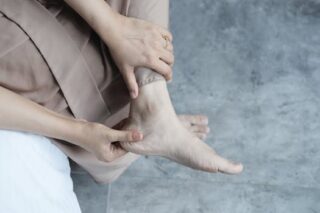
Many parents have concerns about their children’s foot health and development. One term that might come up is “clapper bell deformity.” Understanding what this means, and whether it might apply to your child’s foot shape, can be crucial in ensuring proper foot health and development. In this article, we delve into what clapper bell deformity is, its potential signs, and what steps you can take to address any concerns you might have.
What is Clapper Bell Deformity?
Clapper bell deformity refers to a particular foot shape that can resemble the clapper of a bell. This condition involves an abnormal alignment of the foot bones, potentially leading to issues with balance and foot function. While the exact cause of clapper bell deformity is not fully understood, it is often linked to genetic factors or developmental irregularities during childhood.
Identifying Clapper Bell Deformity in Children
Spotting clapper bell deformity early on can facilitate effective management. Here are some signs that might indicate your child has this condition:
- Noticeable inward or outward rolling of the foot while walking.
- Persistent pain or discomfort in the feet.
- Abnormal wear patterns on shoes, suggesting uneven weight distribution.
If you observe these signs, it may be worthwhile to consult with a pediatric specialist or a podiatrist. Accurate diagnosis is essential in distinguishing clapper bell deformity from other foot conditions.
Causes and Risk Factors
While the primary causes of clapper bell deformity are often genetic, several risk factors can contribute. These include:
- Family history of foot abnormalities.
- Poor foot posture during critical stages of development.
- Inadequate footwear that doesn’t provide proper support.
Understanding these factors can help parents take preventative measures where possible, like choosing supportive shoes or encouraging exercises that strengthen foot muscles.
Treatment and Management
The management of clapper bell deformity can range from simple measures to more involved medical interventions:
- Orthotic Devices: Customized shoe inserts can help correct foot alignment and improve function.
- Physical Therapy: Targeted exercises can strengthen the foot and ankle muscles, enhancing stability.
- Surgical Options: In severe cases, surgery might be considered to correct bone alignment.
It is critical to consult with a healthcare provider to determine the most appropriate strategy for managing your child’s condition.
Preventive Measures
Even if your child does not currently show signs of clapper bell deformity, taking proactive steps can be beneficial. Here are some tips:
- Ensure your child wears supportive and properly fitted shoes.
- Encourage regular physical activity to strengthen foot muscles.
- Schedule regular check-ups with a pediatric podiatrist to monitor foot health.
These measures can contribute to overall foot health and potentially prevent issues related to foot alignment.
Understanding and Supporting Your Child’s Development
Understanding clapper bell deformity and its implications is an important step in supporting your child’s overall development. By identifying potential issues early, consulting with specialists, and adopting preventive measures, you can help ensure that your child develops healthy foot patterns that support an active lifestyle. For more insights on effective health practices, explore our safe and effective nutrition and exercise strategies article.
To understand more about general health conditions and their treatments, you can refer to reliable resources such as Wikipedia’s health overview page.
In Conclusion
While clapper bell deformity can pose challenges, being informed can make a significant difference. By seeking professional guidance and monitoring your child’s foot development, you can effectively address any concerns that arise. Remember, early intervention is key, particularly when it comes to conditions like clapper bell deformity.
- Clapper bell deformity affects the alignment of the foot bones.
- Look for signs such as unusual wear on shoes and discomfort.
- Consult a specialist for diagnosis and management options.
- Use orthotics and physical therapy for non-surgical management.
- Preventative measures include proper footwear and regular podiatric check-ups.
What exactly is clapper bell deformity?
Clapper bell deformity is a condition where the alignment of the foot bones creates a shape reminiscent of a bell clapper, which can affect balance and mobility.
Are there common signs of clapper bell deformity in children?
Common signs include unusual wear on the soles of shoes, inward or outward rolling of the foot, and persistent foot pain or discomfort.
What causes clapper bell deformity?
The condition is often linked to genetic factors, but developmental issues and improper footwear can also contribute to its development.
How is clapper bell deformity treated?
Treatments include using orthotic devices, engaging in physical therapy, and in more severe cases, surgery may be considered to correct the alignment.
Can clapper bell deformity be prevented?
While not all cases can be prevented, ensuring children wear supportive shoes and engage in activities that strengthen the feet can help reduce the risk.
Other Articles You May Find of Interest...
- Is Your Child’s Foot Shape a Sign of Clapper Bell Deformity?
- Exploring the Significance of the Sister Mary Joseph Node in Health Diagnosis
- Recognizing Cheyne Stokes Ventilation: Causes and Management Strategies
- Is Your CRP Level Too High? Discover the Dangers of C-Reactive Protein Levels
- Why Dementia Caregivers Should Call Hospice Now, Before a Crisis
- Decoding the Clavien Dindo Classification for Surgical Complications
- Coping with Terminal Agitation: Strategies for Comfort and Care




