






More Hormone Therapy Articles
Does Norethindrone Impact Blood Pressure Levels?
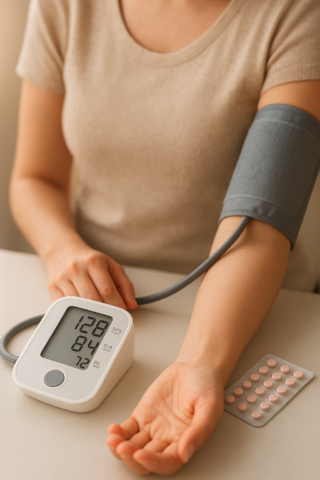
If you’re taking norethindrone and worried it could be causing elevated blood pressure, you’re not alone. Many people wonder, “can norethindrone cause high blood pressure?” Understanding the potential impacts of this medication is important for managing your overall health.
Can Norethindrone Cause High Blood Pressure?
Norethindrone is a form of progestin used in birth control pills and for treating various hormonal disorders. While it offers significant benefits, some users report experiencing high blood pressure as a side effect. However, the relationship between norethindrone and increased blood pressure isn’t straightforward. For some individuals, this medication might elevate blood pressure, especially if they are predisposed to hypertension or other cardiovascular conditions.
Research on this link is still ongoing. Some studies suggest that because norethindrone affects hormonal balance, it could indirectly impact blood pressure levels. Each person’s response will differ based on their unique health profile.
How Norethindrone May Impact Your Day-to-Day Life
If taking norethindrone leads to increased blood pressure, you might notice changes in your daily activities. Symptoms like headaches, dizziness, or fatigue might interfere with work, exercise, or leisure activities. Maintaining awareness of any new symptoms and consulting healthcare providers for personalized advice is crucial.
Day-to-Day Medication Concerns
Navigating medication side effects can be tricky. It’s common to wonder if you should discontinue one medication before starting another when side effects become problematic. If norethindrone adversely impacts your blood pressure, your doctor might suggest alternative treatments. Symptoms like persistent headaches or unusual fatigue could indicate that changes in medication are necessary.
Before switching, consider discussing the following with your healthcare provider: potential benefits and side effects of alternative medications, any known interactions with current medications, and lifestyle adjustments that may naturally support blood pressure management.
When to Seek Care
If you’ve started suffering persistent symptoms like severe headaches, chest pain, or extreme fatigue while on norethindrone, it’s important to seek medical evaluation. A primary care physician or a cardiologist can help assess whether norethindrone is affecting your blood pressure. They can offer a comprehensive evaluation and suggest appropriate management strategies tailored to your needs.
Can Lifestyle Choices Mitigate Risk?
Even when taking norethindrone, adopting a healthier lifestyle may help manage blood pressure levels. Incorporating regular exercise, a balanced diet, and stress-reduction techniques can benefit your overall health. Small changes can impact your circulatory health and bolster your well-being. Learn more about how lifestyle choices influence health to see how they can complement medical treatments.
According to MedlinePlus, managing high blood pressure involves a multi-faceted approach, including medication, lifestyle adjustments, and ongoing medical supervision. Their resources offer valuable insights for those experiencing medication-related blood pressure changes.
- Norethindrone can cause elevated blood pressure in some individuals.
- Seek medical advice if experiencing severe symptoms or changes in your daily life.
- Lifestyle modifications may mitigate blood pressure impact while on medication.
- Consult a healthcare provider before altering or discontinuing medication.
- Resources like MedlinePlus can provide additional guidance and support.
Common Questions
What should I do if I suspect norethindrone is affecting my blood pressure?
If you believe norethindrone is elevating your blood pressure, consult with your healthcare provider. They may recommend blood pressure monitoring or alternative medications that better suit your health profile.
Who typically addresses issues with blood pressure medication?
Primary care physicians or cardiologists are well-equipped to address blood pressure concerns. They can guide medication adjustments and recommend lifestyle changes that support cardiovascular health.
Are there lifestyle changes that can help manage blood pressure while on norethindrone?
Yes, incorporating regular exercise, consuming a balanced diet low in salt, and managing stress can positively impact blood pressure. These lifestyle changes can complement your treatment plan when discussed with your provider.
What symptoms might indicate my medication dose needs adjustment?
Watch for persistent headaches, dizziness, fatigue, or any significant changes in your daily well-being. These could suggest that your medication might need to be evaluated or adjusted.
Should I speak with my doctor before stopping norethindrone?
Absolutely. Consult your healthcare provider to discuss any concerns and evaluate whether discontinuation or a switch might be beneficial for you. They can offer guidance in safely transitioning to new treatment options if necessary.
Other Articles You May Find of Interest...
- High TSH, Stress and Cortisol: What Your Thyroid Test Means
- How Men Can Read Testosterone Levels Without Chasing One Number
- Comparing HRT Subscription Providers for Transgender People Seeking Long-Term Care
- Patient Interest in Peptide Therapy Keeps Climbing Across San Diego
- How Thyroid Disease Flips From Hyper to Hypo
- Your First Endocrinologist Visit, Start to Finish
- When It May Be Time to Consider Hormone Therapy





