






More HIV Articles
What Does HIV Non Reactive Mean for Your Health?
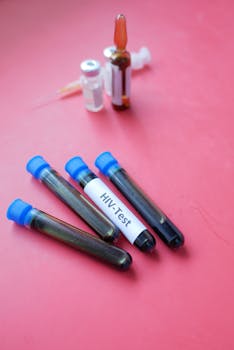
Understanding the HIV non reactive meaning is essential for anyone who has undergone HIV testing. When you receive an HIV test result, getting a non-reactive result can bring a sense of relief, but what does it truly signify for your health? This article explores what it means to have an HIV non reactive result, offering clarity and answering common questions you may have about this terminology.
Understanding the HIV Non Reactive Meaning
An HIV non reactive result indicates that the test did not detect the presence of HIV antibodies in your blood. Simply put, the test suggests that you are not infected with HIV at the time of testing. This outcome is also referred to as negative, and it generally points to the absence of the virus. However, some time-sensitive factors should be considered to accurately interpret your results.
Window Period and Its Impact on Results
The window period is the time between potential exposure to HIV and the point when a test can accurately detect antibodies in your system. If you test within this period, you risk receiving a non reactive HIV result despite being infected. The window period can vary based on the type of HIV test.
For most standard antibody tests, the window period ranges from two to 12 weeks. Tests that detect antigens and antibodies can reduce this window period, allowing for earlier detection. Be mindful of situations where recent exposure might require a follow-up test beyond the window period to confirm results.
What Does Non Reactive Mean for HIV I and II?
The terms “non reactive HIV I and II” refer to testing for both types of the HIV virus. HIV I is the most prevalent worldwide, while HIV II is more common in West Africa. A non reactive result for both types suggests the absence of antibodies associated with either virus.
It’s important to remember that while a non reactive result is reassuring, it does not provide lifelong immunity or indicate future resistance to HIV. Practicing safe behaviors, such as using protection and getting regular screenings, plays a critical role in HIV prevention.
Factors That May Affect Test Results
Despite the accuracy of HIV tests, certain elements can influence results. For instance, taking antiretroviral medication pre-exposure (PrEP) can sometimes affect the presence of detectable antibodies. Always discuss with a healthcare provider which medications or treatments you are on before undergoing any HIV testing.
Other factors like autoimmune diseases, rare medical conditions, or technical errors during testing might produce uncertain outcomes, leading to unexpected non reactive results. In such cases, additional testing or alternative diagnostic methods may be recommended.
What Steps To Take After an HIV Non Reactive Result
After understanding the meaning of non reactive, it’s beneficial to consider your ongoing sexual health and preventive measures. Whether your result is HIV non reactive or not, regularly scheduled health screenings are a proactive way to maintain your well-being.
Consider discussing a preventive strategy with your healthcare provider, exploring safe practices, learning about other sexually transmitted infections, and understanding more about holistic approaches by visiting our article on holistic vs. traditional medicine.
Common Concerns and Misconceptions
Many individuals may feel anxious about their test results or misunderstand the significance of a non reactive HIV result. It’s important to rely on credible sources and professional medical advice when interpreting these outcomes.
An external resource such as the Health page on Wikipedia can provide additional context about general health principles and preventive strategies, offering a broader understanding of health maintenance beyond the scope of HIV testing.
- A non reactive HIV result means no antibodies were detected, suggesting no infection.
- Consider the window period to ensure accurate test timing.
- HIV I and II testing covers both virus types; a non reactive result for both is ideal.
- Discuss medication or possible interfering factors with your doctor before testing.
- Regular screening and safe practices are key to maintaining sexual health.
Frequently Asked Questions
What should I do if I receive a non reactive result but suspect recent exposure?
If you believe you have been exposed to HIV recently, consult with your healthcare provider about retesting after the window period to confirm your result.
Can medications impact my HIV test results?
Certain medications, especially antiretrovirals, can potentially interfere with test results. It’s crucial to inform your healthcare provider about any medications you are taking.
How long is the typical window period for HIV tests?
The window period can last from two weeks to three months, depending on the type of test used. Tests that identify both antibodies and antigens can detect HIV earlier.
What does a non reactive result mean for HIV I and II?
A non reactive result for both HIV I and II means neither type of virus was detected, suggesting that you are negative for HIV.
Are follow-up tests necessary after a non reactive result?
Follow-up tests may be necessary if testing occurred soon after potential exposure or if other complicating factors exist. Consulting a healthcare provider is recommended.
Other Articles You May Find of Interest...
- Navigating HIV Testing: What You Need to Know About HIV Ab/P24 Ag With Reflex
- What Does HBsAg Mean for Your Health?
- Can Mosquitoes Spread HIV or Other Diseases?
- What Does HIV Non Reactive Mean for Your Health?
- Uncovering the Uncurable: Which STDs Cannot Be Treated?
- Recognizing HIV and AIDS Symptoms in Men and Potential Urine Indicators
- #National HIV Testing Day




