






More Heart Disease, Stroke and Diabetes Articles
Navigating Life After Thyroidectomy Surgery: Essential Insights for Recovery
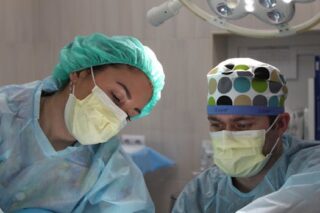
Undergoing thyroidectomy surgery can be a significant life change that requires thoughtful recovery planning. This type of surgery involves the removal of all or part of the thyroid gland, often due to conditions such as thyroid cancer, goiter, or hyperthyroidism. Understanding what to expect after thyroidectomy surgery is crucial for managing your health and achieving a smooth recovery. In this article, we’ll explore essential insights and practical tips to help you navigate life post-surgery.
What to Expect After Thyroidectomy Surgery
The days following thyroidectomy surgery can be challenging, as your body adjusts to the absence of the thyroid gland. Immediate post-operative symptoms may include sore throat, hoarseness, and neck pain. These symptoms typically subside within a few days to a week. Additionally, monitoring your calcium levels is important, as the parathyroid glands, which regulate calcium, can be affected during surgery.
Long-term adjustments will include hormone replacement therapy, since the thyroid gland produces hormones that regulate metabolism, energy, and overall well-being. Your healthcare provider will prescribe synthetic thyroid hormones, which you will need to take for the rest of your life to replace the hormones no longer produced naturally.
Recovery Tips and Lifestyle Changes
Recovering from thyroidectomy surgery involves adapting to new health routines and making lifestyle adjustments to support well-being. Here are some insights to guide you:
- Medication Management: Take your prescribed hormone replacement medication regularly as directed by your healthcare provider. It’s best to take these on an empty stomach for optimal absorption.
- Regular Check-ups: Regular visits to your endocrinologist are essential to monitor your hormone levels and ensure your medication dosage is optimal. Regular blood tests will be necessary to adjust medication as needed.
- Nutrition and Weight Management: Your metabolism may change post-surgery. Focus on a balanced diet and regular exercise to maintain a healthy weight. Read more about safe and effective approaches to weight control.
- Voice Care: Temporary hoarseness is common post-surgery. Avoid straining your voice, stay hydrated, and consult a speech therapist if hoarseness persists.
Emotional and Psychological Adjustments
The impact of thyroidectomy surgery goes beyond physical changes. Emotional and psychological support is equally essential. Patients may experience mood swings, fatigue, or anxiety due to hormonal fluctuations. Connecting with support groups or seeking counseling can be beneficial during this transition. Open communication with your healthcare provider about any mental or emotional concerns is vital.
Understanding the Importance of Hormone Replacement Therapy
Hormone replacement therapy is a cornerstone of post-thyroidectomy care. Without the natural production of thyroid hormones, synthetic alternatives, such as levothyroxine, become necessary. It may take some time to find the correct dosage that ensures normal energy levels and metabolic function, requiring patience and collaboration with your healthcare team.
Recognizing Complications and When to Seek Help
While most people recover fully from thyroidectomy surgery, it’s essential to be aware of potential complications. These may include significant changes in voice, infection at the incision site, or signs of low calcium, such as tingling in the fingers or around the mouth. If you experience any severe or unusual symptoms, contact your healthcare provider promptly.
Thyroidectomy surgery can significantly alter one’s life, requiring adjustments and ongoing care. By understanding the recovery process, managing medications, and supporting your emotional and mental health, you can navigate this journey with confidence. For further reading on thyroid health and related topics, explore this informative guide on thyroidectomy.
- Keep communication open with your healthcare provider regarding any concerns or symptoms.
- Follow your medication regimen strictly to aid in maintaining hormone balance.
- Engage in regular physical activity and a balanced diet to support recovery.
- Seek emotional support, whether through counseling or support groups.
Frequently Asked Questions
How long does recovery from thyroidectomy surgery typically take?
Most patients can return to normal activities within 1 to 2 weeks, but full recovery may vary depending on individual circumstances and any complications.
Will I have a noticeable scar after thyroidectomy surgery?
Most thyroidectomy scars heal well and become less noticeable over time. Using sun protection on the scar can help improve its appearance.
Can my voice change after the surgery?
Temporary voice changes, such as hoarseness, are common due to irritation from the breathing tube used during surgery. Permanent changes are rare but possible if the vocal cords are affected.
Will I have to take medication for the rest of my life?
Yes, if your entire thyroid gland is removed, lifelong hormone replacement therapy is necessary to compensate for the loss of natural hormone production.
Is it normal to feel tired even after taking medication?
Adjusting to hormone replacement therapy can take time. If fatigue persists, discuss it with your healthcare provider, as your medication dosage might need adjusting.
Other Articles You May Find of Interest...
- Understanding Your Options After a Delayed Stroke Diagnosis
- Effective Management of Tachycardia: A Comprehensive Guide to ACLS Protocols
- Decoding Left Bundle Branch Block on ECG: What It Means for Your Heart Health
- Decoding Electrical Alternans: Insights from ECG Readings
- Is Cozen’s Test the Key to Diagnosing Your Ankle Pain?
- Navigating the Challenges of Junctional Bradycardia for Better Heart Health
- Calculate Your Health: The Ultimate Guide to MAP Calculator BP and Blood Pressure Management




