






More Heart Disease, Stroke and Diabetes Articles
Is Drooling in Your Sleep a Sign of Diabetes? Exploring Sleep Habits and Health Insights
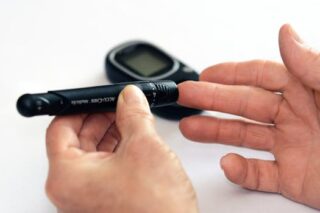
Drooling in your sleep can be an embarrassing situation, leaving you to wonder if it indicates a health problem such as diabetes. Although drooling is mostly benign, many are curious if it could be a sign of underlying issues. To address the question, is drooling in your sleep a sign of diabetes, it is crucial to understand that drooling is typically not linked to diabetes. Instead, it is often a result of more common and non-threatening causes. Let’s explore the reasons behind nighttime drooling, its link to sleep quality, and whether it poses any health concerns.
Is Drooling in Your Sleep a Sign of Diabetes?
Naturally, many people are concerned about their sleeping habits, particularly when they experience drooling. However, excessive drooling during sleep is not a standard symptom of diabetes. While diabetes can cause various sleep disturbances, drooling is mainly associated with simpler issues such as sleep posture, allergies, or even sinus problems.
The primary query, is drooling in your sleep a sign of diabetes, can thus be reassured that drooling alone is unlikely to indicate diabetes. Still, if you’re experiencing other concerning symptoms alongside drooling, consulting a healthcare provider is vital to rule out any significant health conditions.
Why Do I Slob When I Sleep?
If you’ve been wondering, “why do I slob when I sleep?” the explanation often lies in simple factors linked to how you sleep. Drooling occurs when saliva escapes from your mouth while you’re resting. Here are some common causes:
- Sleep Position: Sleeping on your side or stomach can cause saliva to naturally leak out due to gravity.
- Nasal Congestion: Clogged nasal passages can lead to mouth breathing, increasing saliva output.
- Sleep Apnea: Conditions such as sleep apnea may prompt mouth breathing and, subsequently, drooling.
Each of these factors contributes to drooling, which is usually unrelated to serious health issues such as diabetes.
Is Drooling a Sign of Good Sleep?
Many people wonder, is drooling a sign of good sleep? While drooling doesn’t inherently signify a troubling condition, it isn’t exactly an indicator of sleep quality either. Drooling can occur when you’re in a deep sleep phase because all your muscles, including those controlling saliva, are more relaxed. Yet this alone doesn’t mean your sleep is satisfactory or restorative.
Good sleep is typically measured by its duration, consistency, and how rested you feel upon waking. Therefore, while drooling might accompany deep sleep stages, ensuring other sleep parameters are met is more significant for overall sleep health.
Exploring Other Factors Related to Sleep and Health
Understanding drooling and sleep involves addressing broader health and lifestyle factors. For instance, weight management, nutrition, and exercise can significantly influence sleep quality. For insights on balancing these for better sleep and health, consider our guide on weight loss and hidden causes.
It is also essential to recognize when drooling is one aspect of broader sleep disturbances. Insufficient sleep or sleep disorders can have more pronounced effects on health, possibly leading to conditions that impair daily functioning.
When to Seek Medical Advice
Though drooling alone isn’t a red flag for diabetes, persistent drooling coupled with other symptoms, like sleepiness, unexplained weight loss, thirst, or frequent urination, could warrant a medical evaluation. These symptoms might indicate diabetes or another condition needing professional assessment. For reliable health information, the Health Wikipedia page provides a wide range of general health topics to explore further.
Considering the primary keyphrase, is drooling in your sleep a sign of diabetes, we reiterate that while drooling itself typically isn’t linked to diabetes, it’s crucial to maintain awareness of your overall health status, particularly if additional symptoms arise.
- Drooling during sleep is generally not a diabetes symptom.
- Common causes include sleep position and nasal congestion.
- Drooling does not necessarily indicate good sleep.
- Consider broader lifestyle factors for better sleep quality.
FAQ
What should I do if I drool excessively in my sleep?
If drooling is bothersome or excessive, consult a healthcare provider to rule out any underlying issues. They can offer advice tailored to your situation.
Can changing my sleep position help reduce drooling?
Yes, sleeping on your back can help minimize drooling as it prevents saliva from pooling in the mouth.
Could medications influence drooling during sleep?
Some medications can increase saliva production or influence muscle relaxation, potentially leading to drooling. Discuss any concerns with your doctor.
Does drooling at night mean my breathing is blocked?
While drooling does not always mean a blockage, it can be associated with nasal congestion or sleep apnea, both affecting airflow.
Should I worry about drooling if I wake up feeling rested?
If you generally feel well-rested and have no other symptoms, drooling is usually not worrisome. It’s primarily a cosmetic concern rather than a health issue.
Other Articles You May Find of Interest...
- Why Do You Have a Blood Taste in Your Mouth?
- Recognizing Atrial Flutter on EKG: Key Signs and Insights
- Decoding Nonspecific T Wave Abnormalities: What They Mean for Your Heart Health
- Cloves Disease: Symptoms, Causes, and Natural Remedies for Relief
- Exploring the Causes and Implications of Still’s Murmur in Children
- Effective Strategies for Relieving Chest Tightness and Discomfort
- Discover the Latest Innovations in Atrial Fibrillation Treatment



