






More Heart Disease, Stroke and Diabetes Articles
Is Chest Pain After Exercise a Cause for Concern?
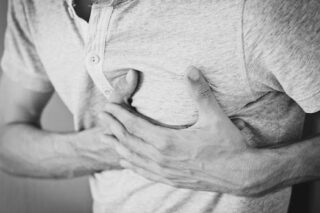
Chest pain after exercise can be alarming, and it’s a sensation many people experience after a workout. Understanding what causes this discomfort is crucial for athletes and casual fitness enthusiasts alike. Whether it’s a mild twinge or more persistent heart discomfort after exercise, it’s important to differentiate between a normal response to physical activity and symptoms that may need medical attention.
Understanding Chest Pain After Exercise
When you exercise, your body undergoes numerous changes to meet increased energy demands. This includes heightened blood flow and increased heart rate. These changes can sometimes lead to chest pain, but not all chest pain is a cause for concern. For some, chest pain after a workout could be linked to common issues like muscle strain or indigestion. However, for others, it might be indicative of more serious conditions such as cardiovascular problems. It’s essential to listen to your body and seek guidance if you have any doubts.
Common Causes of Chest Pain After Exercise
Muscle Strain
One of the most common causes of chest pain during or after exercise is muscle strain. When you engage in activities that involve the upper body, such as weightlifting or playing sports, you may strain the muscles of your chest wall, leading to soreness and pain. This type of chest pain is usually localized and can be reproduced by pressing on the affected area.
Heart Issues
If you experience a tightening sensation along with heart discomfort after exercise, it might be due to reduced blood flow to the heart, known as angina. Angina can be triggered by intense physical activity and sometimes indicates underlying heart issues. It’s crucial to distinguish this kind of pain as it may precede more serious conditions like heart attacks. If in doubt, seeking medical advice is always the best course of action.
Indigestion or Gastric Reflux
Gastric issues can also manifest as chest pain, especially after intense exercise. When you exert yourself, it can sometimes trigger or exacerbate conditions like indigestion or acid reflux, leading to discomfort. This pain is typically temporary and often subsides with rest or antacids.
When to See a Doctor
While occasional chest pain can be harmless, recurring pain or pain accompanied by other symptoms like dizziness, shortness of breath, or nausea should never be ignored. These could be signs of a more serious condition requiring professional evaluation. If exertional chest pain persists or worsens, it’s advisable to seek medical attention immediately.
Preventive Measures
For many, incorporating gradual warm-ups and cool-downs can prevent chest pain related to muscle strain. Additionally, staying hydrated and ensuring a balanced diet rich in nutrients can support overall heart health. To learn more about maintaining a heart-healthy diet and its role in fitness, read our article on building a balanced diet for fitness enthusiasts.
Managing and Reducing Risks
Regular exercise strengthens the heart, but it’s vital to approach workouts responsibly. This means not overexerting beyond your current fitness level and listening to your body’s signals. Consult with a healthcare provider to create an exercise plan that’s safe and effective, particularly if you have pre-existing health conditions.
Stress Management
Stress can also be a trigger for heart discomfort during exercise. Techniques such as deep breathing, meditation, or yoga can be beneficial in managing stress levels, which in turn can help alleviate chest discomfort.
Conclusion: Is Chest Pain After Exercise a Cause for Concern?
Chest pain after exercise is not uncommon, and while it can be worrying, it doesn’t always indicate a severe health issue. Understanding the different causes, from simple muscle strain to potential heart-related problems, is crucial in determining the best course of action. Always remember, when in doubt, seeking medical reassurance is the best approach to safeguard your health. For detailed health information, visit Wikipedia’s health section for more insights.
- Chest pain after exercise can be due to muscle strain or more serious conditions.
- Recognize symptoms that warrant medical attention, such as dizziness or shortness of breath.
- Preventive measures can reduce the risk of exercise-induced chest discomfort.
- Manage stress and maintain a balanced diet for overall heart health.
FAQ
What should I do if I experience chest pain during exercise?
If you experience chest pain during exercise, stop the activity immediately and rest. If the pain is severe or persistent, seek medical attention promptly.
Can poor diet contribute to chest pain during workouts?
Yes, a poor diet, especially one lacking in essential nutrients, can contribute to overall poor heart health and potentially lead to chest pain during physical activities.
How can I differentiate between serious and non-serious chest pain?
Non-serious chest pain is often localized and related to muscle strain. Serious chest pain may be accompanied by symptoms like shortness of breath, sweating, or dizziness, and requires medical evaluation.
Is it safe to continue exercising after experiencing chest pain?
It’s important to consult with a healthcare provider before resuming exercise after experiencing chest pain to ensure it’s safe to continue.
What lifestyle changes can help reduce the risk of chest pain?
Adopting a heart-healthy diet, maintaining regular exercise within your limits, managing stress, and avoiding smoking can all help reduce the risk of experiencing chest pain after exercise.
Other Articles You May Find of Interest...
- Why Do You Have a Blood Taste in Your Mouth?
- Recognizing Atrial Flutter on EKG: Key Signs and Insights
- Decoding Nonspecific T Wave Abnormalities: What They Mean for Your Heart Health
- Cloves Disease: Symptoms, Causes, and Natural Remedies for Relief
- Exploring the Causes and Implications of Still’s Murmur in Children
- Effective Strategies for Relieving Chest Tightness and Discomfort
- Discover the Latest Innovations in Atrial Fibrillation Treatment




