






More Heart Disease, Stroke and Diabetes Articles
Can Insulin Overdose Lead to Heart Attack Risks?
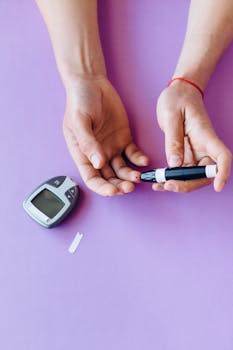
When managing diabetes, understanding the risks and complications associated with insulin use is crucial. A common concern among patients is whether an overdose of insulin can lead to significant health issues, including the risk of heart attacks. So, can insulin overdose cause a heart attack? In this article, we’ll explore the potential effects of an insulin overdose, how it may impact heart health, and key precautions to consider.
Can Insulin Overdose Cause a Heart Attack?
Insulin is a hormone that regulates blood sugar levels and is essential for individuals with diabetes. An overdose occurs when someone takes more insulin than the body needs, which can lead to hypoglycemia, or dangerously low blood sugar levels. While the immediate concern with such an overdose is managing hypoglycemia, there is an ongoing discussion about the potential cardiovascular implications.
Research into whether an insulin overdose directly causes heart attacks is limited. However, severe hypoglycemia can stress the heart and exacerbate underlying conditions that may increase heart attack risk. In critical situations, hypoglycemia can lead to physiological responses such as increased heart rate and blood pressure, which might contribute to cardiovascular strain.
Understanding the Signs of Insulin Overdose
Recognizing the symptoms of an insulin overdose is crucial for timely intervention. Symptoms of hypoglycemia include sweating, dizziness, confusion, rapid heartbeat, and a feeling of extreme hunger. In severe cases, one might experience seizures or lose consciousness, requiring immediate medical attention.
For those managing diabetes, it’s vital to have a clear understanding of the proper insulin dosage and to verify the correct amount before each injection. Establishing a routine and consulting healthcare professionals can significantly reduce the risk of overdose.
Preventing Insulin Overdose
Preventive measures are key when it comes to avoiding insulin overdose. Here are a few strategies:
- Regularly monitor blood sugar levels to ensure they remain within the target range.
- Use a diabetes management plan created with the help and guidance of a healthcare professional.
- Always double-check the insulin dosage you are about to administer.
- Keep track of your meals and exercise, as these can influence your insulin needs.
- Consider using technology, like glucose monitors or insulin pumps, to assist in management.
Following these guidelines not only helps in preventing overdoses but also in overall effective management of diabetes.
Long-Term Management and Cardiovascular Health
Managing diabetes effectively over the long term also involves maintaining good cardiovascular health, especially since individuals with diabetes are at a higher risk for heart disease. Regular check-ups with healthcare providers, maintaining a healthy diet, exercising regularly, and controlling blood pressure and cholesterol levels can positively impact heart health.
Furthermore, losing weight in a healthy manner can improve insulin sensitivity and reduce cardiovascular risks. For more on effective weight management strategies, visit our article on safe and effective weight loss approaches.
Consult with Healthcare Professionals
It’s vital for individuals who require insulin to work closely with their healthcare team. Regular consultations can help optimize diabetes management plans and adjust insulin dosages as needed. If there are concerns regarding the risk of heart attack or any other complications, a healthcare professional can offer personalized advice and support.
Should you need more information about health risks related to diabetes, credible sources such as the health section of Wikipedia can serve as a good starting point for general guidance.
Concluding Thoughts
In summary, while there is no direct evidence linking insulin overdose to heart attacks, the risk of hypoglycemia and its potential impact on cardiovascular health highlight the importance of careful insulin management. Always keep communication open with your healthcare provider to tailor a plan that suits your individual needs.
Maintaining a balance between managing diabetes and ensuring heart health can significantly enhance overall well-being. So, can insulin overdose cause a heart attack? While an overdose does not directly cause a heart attack, its complications may pose a risk, making proper management and consultation crucial.
- Insulin overdose primarily concerns the risk of hypoglycemia.
- Severe hypoglycemia can stress the cardiovascular system.
- Healthcare consultations help tailor safe insulin management plans.
- Continued education and awareness are key to prevention.
- External resources can provide additional insight into overall health.
What are the common symptoms of insulin overdose?
Common symptoms include dizziness, confusion, sweating, rapid heartbeat, extreme hunger, seizures, and even loss of consciousness in severe cases.
How can I avoid an insulin overdose?
Preventing an overdose involves regular blood sugar monitoring, verifying insulin doses, sticking to a diabetes management plan, and maintaining an open line of communication with healthcare providers.
What should I do in case of an insulin overdose?
In the event of an insulin overdose, it is critical to seek immediate medical attention. If possible, consume fast-acting sources of sugar while waiting for medical help.
Does an insulin overdose directly cause a heart attack?
There is no direct evidence that an insulin overdose causes heart attacks, but severe hypoglycemia from an overdose can place additional stress on the cardiovascular system.
Can lifestyle changes help manage insulin needs better?
Yes, lifestyle changes such as maintaining a balanced diet, regular exercise, and weight management can improve overall health and assist in better management of insulin requirements.
Other Articles You May Find of Interest...
- Cloves Disease: Symptoms, Causes, and Natural Remedies for Relief
- Exploring the Causes and Implications of Still’s Murmur in Children
- Effective Strategies for Relieving Chest Tightness and Discomfort
- Discover the Latest Innovations in Atrial Fibrillation Treatment
- Sinus Tachycardia: Understanding the ICD 10 Classification and Its Implications
- When Can Stroke Survivors Safely Get Back Behind the Wheel
- Managing Grade 1 Diastolic Dysfunction for Better Heart Health



