More Essential Business Tools For Marketing Healthcare Articles
7 Ways To Grow a Senior Living Business
Senior housing occupancy has been improving in many markets while new construction has slowed. That combination can help existing communities grow, but it also raises the bar for the day-to-day experience residents and families expect.
At the same time, satisfaction in independent living, assisted living and memory care is closely tied to service, staff communication and perceived value, especially as monthly prices rise.
The takeaway is simple: growth now depends on how residents feel every day, not only on amenities or a newer building. This is a practical playbook for owners and administrators who want to grow through a better resident experience.
Key Takeaways
Growth now depends on daily resident experience, not just amenities or a newer building.
Build an always-on feedback loop and close it fast, acting on any flagged concern within 48 hours.
Put the 4Ms (What Matters, Medication, Mentation and Mobility) to work as simple daily habits.
Treat dining, the first 30 days after move-in and staff communication as your strongest experience drivers.
Show pricing transparently and use benchmarks to focus on one or two drivers at a time.
What resident experience really means
Resident experience covers the practical parts of care and service that people notice. That includes timely responses, easy access to information, respectful staff interactions, and clear communication with residents and families.
Good senior living experience follows the same logic. When you track how residents feel and act on what you learn, referrals and retention are more likely to follow.
Way 1: Build a feedback flywheel
Set up an always-on feedback program instead of relying only on a once-a-year survey. Use a recognized measure such as CoreQ, which includes National Quality Forum-endorsed measures for skilled nursing and assisted living.
Add short monthly pulse checks and a fast service recovery routine. Aim to respond to any flagged concern within 48 hours with a visible fix that residents notice.
The goal is to gather resident input continuously, then close the loop quickly so people see that speaking up leads to real change. Tools from Activated Insights support real-time, non-anonymous feedback across the care journey, which can help staff catch issues early rather than months later.
Reaching everyone matters too. Activated Insights supports multimode surveying, including email, text, and staff-assisted tablet or phone calls, so residents and families can respond in the way that works best for them.
Way 2: Put the 4Ms to work
The Age-Friendly Health Systems movement is built around four everyday priorities known as the 4Ms: What Matters, Medication, Mentation, and Mobility. The framework is used across thousands of U.S. care sites because it turns broad care goals into simple daily habits. A steady process to collect resident feedback can show whether these habits are working in daily life.
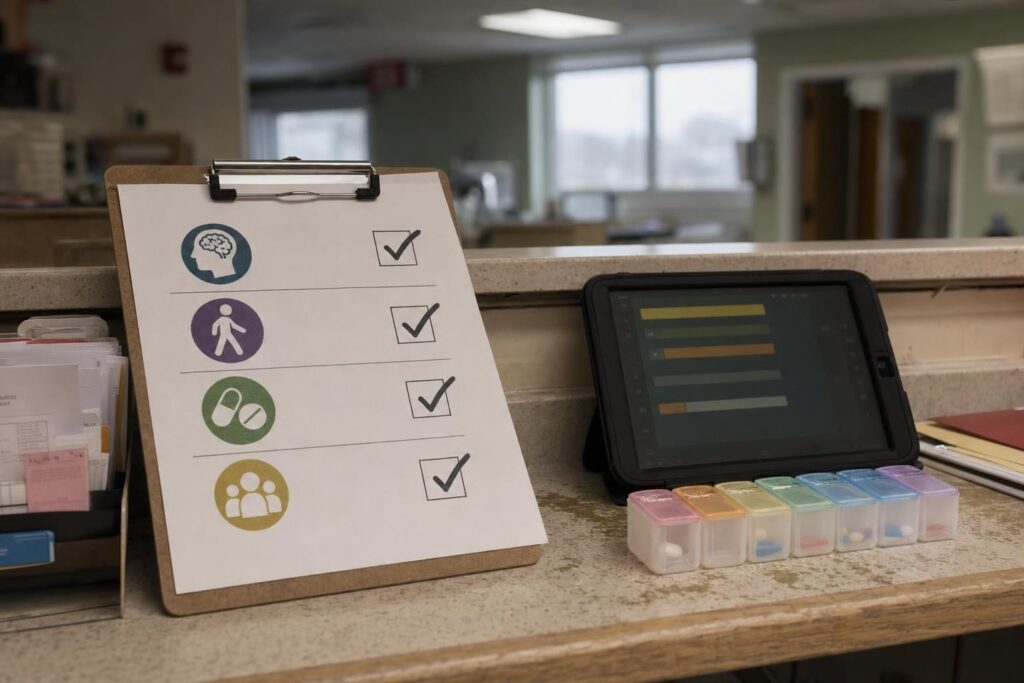
Translate those ideas into operations. Use welcome interviews to learn what matters to each resident. Review medications to avoid unnecessary sedation. Add daily mobility prompts and memory-friendly activities.
Way 3: Fix dining like a restaurant
Dining is often one of the strongest drivers of the resident experience. It is also one of the easiest parts of community life for families to understand during a tour.
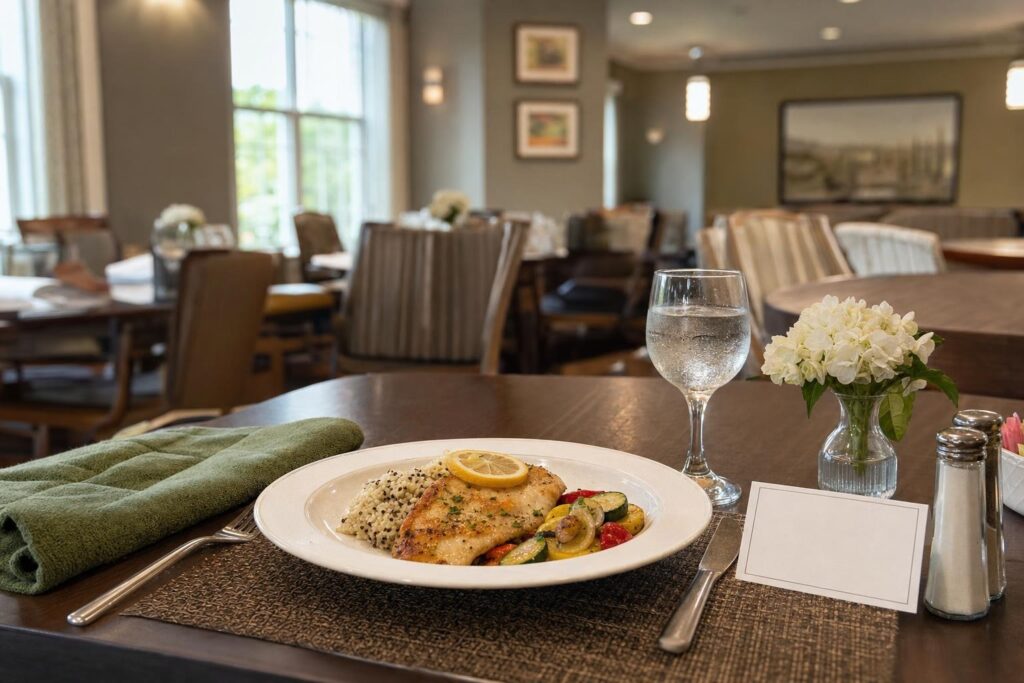
Give residents menu choices and cook-to-order options where you can. Make culinary improvements visible during tours, because a plated, appealing meal shapes first impressions more than a brochure.
Way 4: Close the move-in gap
The first month sets the tone. Build a simple 30-day onboarding plan so new residents feel supported from day one.
Pair each newcomer with a buddy and schedule early check-ins tied to survey cues. When someone flags loneliness, confusion, or a service issue, respond right away.
A smoother move-in supports retention and creates the kind of word-of-mouth that helps fill rooms without relying only on paid marketing.
Way 5: Train for communication moments
Most experience is made in small interactions. Coach staff on first-impression greetings, knocking and waiting before entering a room, and using residents’ names.
Teach plain-language billing explanations too, so families are not left guessing. Many satisfaction comments come back to staff interactions, which shows how much these moments matter.
Short, regular coaching beats a single long training. Practice a few scripts, observe real interactions, and adjust based on what residents and families say.
Way 6: Show value transparently
Rising prices make clarity essential. Use simple, line-item fee sheets so residents and families can see what they pay for and why.
Satisfaction studies often treat the price paid for services received as a real factor. Clear pricing builds trust even when costs go up.
Way 7: Use benchmarks to focus
You cannot fix everything at once. Track CoreQ scores and comment themes each month, broken down by building, department, or shift when possible.
Then pick one or two drivers, such as activities or responsiveness, and set a 90-day improvement target. Chasing every metric at once usually moves none of them.
Benchmarking also prepares you for where measurement is heading. Some states are moving toward more formal consumer satisfaction reporting. Florida, for example, has adopted a nursing home consumer satisfaction survey rule that requires CoreQ-recognized vendors and sets a reporting schedule. Operators with skilled nursing services should also monitor CMS long-term care surveyor guidance as expectations continue to evolve. Over time, this makes resident satisfaction easier to understand, not just easier to measure.
A 90-day feedback sprint
- Weeks 1 to 2: Choose a recognized measure, set up multimode surveys, and brief staff on the plan.
- Weeks 3 to 6: Collect responses, tag comment themes, and act on urgent concerns within 48 hours.
- Weeks 7 to 10: Focus on one or two drivers and make visible changes residents can point to.
- Weeks 11 to 13: Report results back to residents and families, then set the next target.
Consistency is what makes this work. Activated Insights supports this kind of ongoing feedback loop for long-term and post-acute care teams, but the key discipline is the same with any tool: ask, act, report back, and repeat.
FAQ
How do you measure resident experience in senior living?
Use a recognized measure such as CoreQ alongside short monthly pulse checks, and tie every response to a specific resident so you can follow up and fix issues directly.
How fast should you respond to resident feedback?
Aim to act on any flagged concern within 48 hours with a visible fix, then report the change back so residents and families see that speaking up leads to action.
What is the fastest way to lift resident satisfaction?
Fix the highest-impact drivers first, usually dining, responsiveness and the first 30 days after move-in, rather than chasing every metric at once.
Does resident experience really drive growth?
Yes. Satisfaction is closely tied to referrals and retention, and clear communication and transparent value help protect census even as prices rise.
Other Articles You May Find of Interest...
- The Almost-Right Healthcare Image: How to Edit Without Losing What Works
- What Makes a Physicians Email List Reliable? 7 Data Quality Checks for Healthcare Outreach
- Dermatology Marketing: Local SEO Lead Generation Guide for Aesthetic Practices
- Biomechanical Safety in AI-Generated Exercise Videos for Rehabilitation
- What Patients Decide From Your Directory Photo Before They Ever Book
- Comparing AI Meeting Tools for Client Calls in 2026
- How Dental Practices Can Build a Trustworthy Digital Front Door