






Your Health Magazine
4201 Northview Drive
Suite #102
Bowie, MD 20716
301-805-6805
More Healthcare Careers Articles
Why Healthcare Systems Are Tapping Nurses for More Than Patient Care
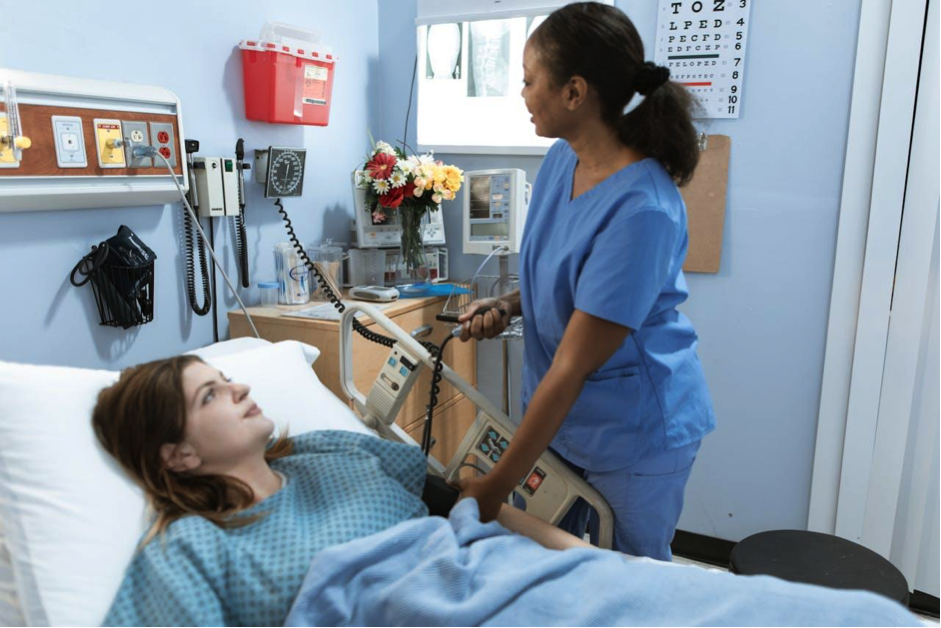
Nurses have always kept hospitals running—from managing crises to supporting patients. But now, they’re also helping design how healthcare systems operate.
In the aftermath of a global health crisis, short staffing, rising burnout, and public scrutiny have reshaped how healthcare systems operate. Hospitals, clinics, and even insurers are now rethinking the way care gets delivered—and who helps design that system. Nurses, with their front-line experience and systems-level thinking, are increasingly stepping into expanded roles that go far beyond the bedside.
In this blog, we will share how and why nurses are playing a more central role in shaping modern healthcare—from policy influence to clinical innovation—and what that shift means for patient outcomes, hospital systems, and the profession itself.
The Shift From Hands-On to Big Picture
The pandemic exposed just how brittle healthcare infrastructure can be when it’s built on overworked personnel and reactive decision-making. That wake-up call prompted a deeper look at how to run health systems smarter. And nurses were already positioned to lead that change.
For years, they’ve been the first to notice when protocols don’t match patient needs. They see how technology either supports or complicates care. And they’ve been quietly making workarounds—solving problems on the fly long before leadership gets involved. Today, that problem-solving is being formalized.
Hospitals are appointing nurse leaders to redesign patient flow systems. Insurance companies are turning to RNs to review care coordination plans. Some nurses are helping steer public health initiatives, from vaccination outreach to telehealth accessibility. What used to be seen as “extra” is now recognized as essential insight.
That includes specialized consulting work, too. There are multiple types of nurse consultants, and their roles vary based on context. Some focus on legal cases involving medical malpractice. Others work in hospitals helping with compliance, risk management, or quality improvement. Their nursing background gives them firsthand understanding. Their consultant role gives them room to change the system itself. For nurses interested in applying their clinical knowledge in strategic or advisory settings, this is a clear next step. And for healthcare systems looking to improve performance, this is often where transformation begins.
Patient Care is Still Central—But It’s Getting Smarter
This shift doesn’t mean nurses are walking away from direct care. In fact, it’s making patient care stronger. When nurses are involved in shaping policies, workflows, or tech rollouts, those systems tend to be more intuitive and humane. Why? Because they’re built by the people who actually use them.
Take digital charting systems, for example. When they’re designed without nurse input, they often create friction: extra clicks, buried data, confusing layouts. But when nurse leaders are consulted during development, the result is faster documentation, clearer notes, and more time for patients.
That kind of practical insight leads to better safety protocols, smoother handoffs, and fewer medication errors. It’s not just about efficiency. It’s about care that works better because it reflects reality.
This evolution is also playing out in community settings. School nurses are leading mental health programs. Home health nurses are influencing citywide eldercare strategies. Nurse practitioners are helping clinics reimagine care delivery to underserved populations. Each of these shifts represents a rebalancing of how healthcare expertise is used—not just to treat illness, but to redesign how care is given.
The Business of Care Isn’t Optional Anymore
Healthcare is expensive. That’s not new. But the pressure to manage those costs while still improving quality has intensified. This is another reason nurses are being tapped for roles outside direct care—they understand both the human and economic cost of poor outcomes.
Nurses involved in administrative and consulting roles often identify inefficiencies that leadership can’t see. For example, if readmission rates are high, a nurse might spot discharge planning gaps that data analysts miss. If staff turnover is rising, a nurse might recognize where training is lacking or morale is slipping.
These insights lead to cost savings and better care, often at the same time. They also contribute to more sustainable workforce strategies, which are urgently needed as healthcare systems compete for talent. When nurses help shape systems, the fixes tend to last—because they’re built with reality in mind.
Where the Profession Is Headed
This shift in nursing’s role is part of a broader cultural reckoning with expertise. Across industries, lived experience is starting to carry more weight in decision-making. In healthcare, that means the voice of the bedside is being invited into the boardroom.
It’s changing the nursing profession, too. More nurses are pursuing advanced degrees, not just in clinical practice, but in public health, informatics, leadership, and yes, consulting. These are not detours—they’re expansions. They allow nurses to influence how care gets delivered, not just how it gets charted.
And while that can be exciting, it also means nursing education and mentorship need to adapt. Today’s nurses must be equipped not only with clinical skills, but with fluency in systems thinking, data interpretation, and communication across disciplines. Some may stay in patient care. Others may consult, teach, or lead. All of them are part of the solution.
Healthcare Systems Need Nurses Who Think Like Architects
We’re no longer in an era where fixing healthcare is just about adding more staff or funding. It’s about redesigning systems from the inside out. That requires people who know how things work at ground level—and who have the tools to drive big-picture change.
Nurses fit that description better than anyone. Their training is holistic. Their perspective is practical. Their trust with patients is earned through time, skill, and care. And when they’re supported to grow into leadership, innovation, or consulting roles, the entire system benefits.
They understand where breakdowns happen and how they affect care. They bring solutions that reflect real-world workflows, not just policy theory. And they’re used to thinking on their feet—exactly what transformation demands.
Healthcare doesn’t just need more nurses. It needs nurses who can lead. And luckily, they’re already here. It’s just a matter of giving them the platform.
Other Articles You May Find of Interest...
- Best AI Courses for Professionals to Upskill in 2026
- How Can Healthcare Workforce Management Reduce Hiring Gaps?
- The Best Careers You Can Start in Health & Fitness
- Why Healthcare Systems Are Tapping Nurses for More Than Patient Care
- The Role of Temporary Doctors in Australia’s Changing Healthcare System
- How Advanced Nursing Roles Are Strengthening Community Health Across Missouri
- Daily Productivity Habits for Lab Technicians




