






More Health & Wellness Tips Articles
Sea Salt or Himalayan Sea Salt: Which Is the Healthier Choice?
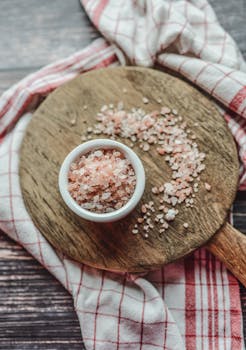
Have you ever stood in the grocery store aisle, staring at the different options of salt, and wondered whether sea salt or Himalayan sea salt is the healthier choice? With varied colors, textures, and claims, it can be challenging to determine which option is better suited for your lifestyle or diet. In this article, we’ll dive into the distinct characteristics, potential health benefits, and considerations of sea salt vs Himalayan sea salt.
Unpacking the Differences: Sea Salt vs Himalayan Sea Salt
Sea salt and Himalayan sea salt are both popular for their unique flavors and textures. Sea salt is derived directly from evaporated seawater and is often less processed, meaning it retains trace minerals such as magnesium, potassium, and calcium. On the other hand, Himalayan sea salt is mined from the ancient salt deposits found in the mountains of Pakistan. It’s notably pink due to trace minerals like iron oxide and is also known for its lovely crystalline texture.
Both types of salt contain sodium chloride, essential for bodily functions such as fluid balance and nerve transmission. However, it’s crucial to consume them in moderation to avoid potential health risks associated with high sodium intake, such as hypertension and heart disease.
Potential Health Benefits
Some proponents of Himalayan sea salt suggest its mineral content may offer added benefits, such as improved digestion and better respiratory health. While there is limited scientific evidence to support these claims definitively, some individuals report positive effects. Similarly, sea salt’s natural minerals may also contribute to general health, but much of this is anecdotal.
One of the real benefits of both types of salt, particularly Himalayan sea salt, may come from their use in culinary applications. Their distinct flavors can enhance dishes, leading to more mindful eating and potentially reduced overall salt consumption.
When to Seek Care
If you’re concerned about your salt intake’s impact on your health, it’s wise to consult a healthcare provider. Monitoring your sodium levels, especially if you have conditions like hypertension or kidney disease, is essential. A registered dietitian or nutritionist can provide personalized advice on daily sodium requirements and help manage your dietary habits. Consider making an appointment if you experience symptoms like persistent headaches, fluid retention, or unexplained high blood pressure.
Practical Uses in Everyday Life
The use of both sea salt and Himalayan sea salt extends beyond the kitchen. Many people incorporate them into their skincare routines, as they believe these salts have exfoliating properties and may help clear up certain skin conditions. Additionally, brine baths made with either type of salt are popular for promoting relaxation and easing muscle soreness.
In your culinary adventures, experimenting with these salts can elevate your cooking. Sea salt is often used in finishing dishes, where large crystals create a delightful crunch. Himalayan salt, with its striking color and mineral content, can be an attractive and flavorful addition to roasted meats and vegetables.
For those on a weight management journey, consider exploring various dietary approaches to incorporate either salt in moderation. For more on this topic, including safe and effective weight loss strategies, check out our article on weight loss approaches and hidden causes.
Are There Downsides?
Despite the beautiful colors and mineral claims, sea salt and Himalayan sea salt still primarily consist of sodium chloride. Therefore, the same health considerations apply as with regular table salt. Overconsumption can lead to health issues such as high blood pressure, kidney stones, and increased risk of heart disease.
Some individuals believe these specialty salts contain less sodium; however, this is often a misconception. It’s important to remember that regardless of the type, excessive salt intake can have adverse effects on health. Using these salts mindfully and in moderation is key to enjoying their benefits without the risks.
Common Questions
Is there a nutritional difference between sea salt and Himalayan sea salt?
While both salts contain sodium chloride and trace amounts of other minerals, the differences are minimal and unlikely to impact overall health significantly. The choice often comes down to personal taste preference and culinary application.
Should I consult a healthcare provider regarding my salt intake?
If you’re concerned about your sodium consumption or have existing health conditions like hypertension or kidney issues, it’s advisable to discuss your dietary habits with a healthcare provider. They can help tailor advice to your specific needs.
Can these salts help with weight loss?
Salt itself does not directly contribute to weight loss. However, using flavorful salts like Himalayan sea salt might enhance the taste of healthy meals, potentially supporting a more enjoyable and sustainable diet. For more strategies, refer to our weight loss article.
Are there side effects of using Himalayan salt lamps?
Himalayan salt lamps are believed by some to improve air quality and mood, although scientific evidence is limited. Any potential side effects would be minor, such as sensitivity to light or slight moisture collection due to humidity.
Where can I learn more about general health topics?
For comprehensive, trusted information on a variety of health topics, consider visiting this resource.
- Sea salt and Himalayan sea salt provide distinct flavors but are similar in sodium content.
- Moderation in salt intake is vital for maintaining health, regardless of the type.
- Both types can enhance cooking and have alternative uses, such as in skincare.
- Consult healthcare professionals if you have health conditions that may be affected by salt.
- Personal preference often guides the choice between these salts more than significant nutritional benefits.
In the debate of sea salt vs Himalayan sea salt, personal taste and culinary needs often prevail, as both offer unique advantages with minimal nutritional differences. Regardless of choice, mindful consumption aligns best with a health-conscious lifestyle.
Other Articles You May Find of Interest...
- Modafinil in the UK 2026: Top Places to Buy Without Prescription & Quickly
- Strengthening Immunity in a Post-Pandemic World
- Why Paying Attention Is the Real First Step to Better Health
- The Changing Psychology Behind How People Choose What’s Healthy
- Unlocking the Power of Savi Scout for Better Health Insights
- Sea Salt or Himalayan Sea Salt: Which Is the Healthier Choice?
- How the 20/40 Vision Test Can Impact Your Eye Health




