More Health Industry Insights Articles
Strengthening Healthcare Supply Chains: Strategies for Enhanced Resilience
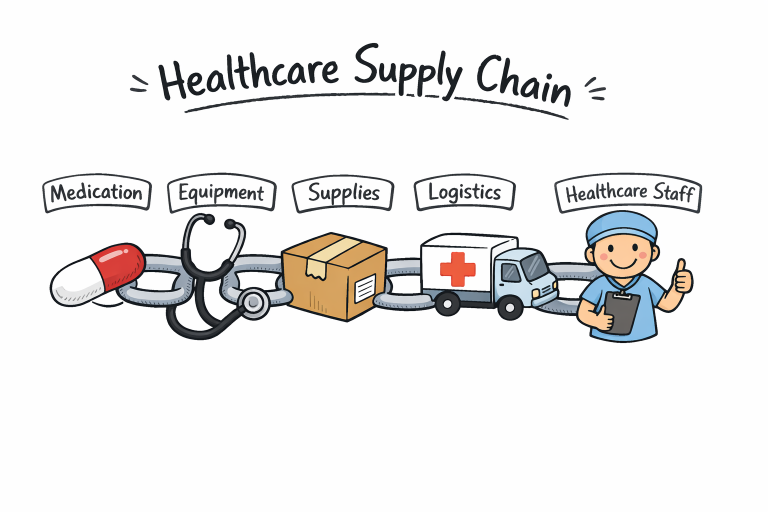
Key Takeaways:
- Understanding the critical importance of resilient healthcare supply chains.
- Exploring strategies such as diversification, re-shoring, and technological integration.
- Recognizing the role of workforce well-being in supply chain stability.
- Emphasizing the need for proactive risk management and public-private collaboration.
Table of Contents:
- Introduction
- Current Challenges in Healthcare Supply Chains
- Strategies for Enhancing Supply Chain Resilience
- The Role of Workforce Health in Supply Chain Stability
- Technological Advancements and Digital Transformation
- Proactive Risk Management and Public-Private Collaboration
- Conclusion
Effective healthcare supply chains are vital to providing uninterrupted medical care and responding rapidly to crises. In recent years, global events have exposed vulnerabilities across the healthcare logistics network, driving renewed attention to the need for innovation and resilience. Amid rising demand and ongoing supply interruptions, healthcare systems are increasingly looking to strategic partners, like a reliable medical resupply company, to support their ability to sustain essential care delivery.
Securing steady access to pharmaceuticals, medical devices, and personal protective equipment has become a central concern for healthcare leaders. As disruptions persist globally, hospitals and clinics face heightened pressure to reevaluate their sourcing and distribution strategies, minimize risks, and build robust networks to safeguard patient outcomes.
Current Challenges in Healthcare Supply Chains
Healthcare supply chains are currently grappling with a range of issues, from scarce raw materials to delays in transportation. Global shortages of critical products, such as bone cement and common painkillers, have left many healthcare providers vulnerable. Recent incidents, including those experienced by the NHS, illustrate how dependence on far-flung suppliers can result in sudden bottlenecks and costly delays. These vulnerabilities stem from several factors, such as limited manufacturing locations, unpredictable demand, and insufficient coordination among key players in the logistics continuum. Even developed health systems are not immune, as they contend with rapidly changing geopolitical factors and natural disasters that can instantly disrupt established flows of goods. Gaps in real-time data and fragmented supply chain visibility further complicate timely risk responses, increasing exposure to product shortages and unreliable delivery timelines.
Strategies for Enhancing Supply Chain Resilience
To address these vulnerabilities, healthcare organizations are prioritizing several core strategies that build adaptive capacity and flexibility. Diversification has emerged as a key approach, with organizations seeking a broader base of approved suppliers to reduce dependence on any single vendor or geographic region. This approach distributes risk and can help insulate hospitals from localized disruptions. Re-shoring, or relocating manufacturing closer to the point of care, is another proactive measure, aiming to shorten delivery timelines and minimize exposure to international shipping uncertainties. In addition, establishing price consistency agreements with suppliers allows organizations to better project costs and allocate budgets, helping to manage volatility in raw material and logistics expenses. These agreements can also foster stronger long-term relationships that further reinforce mutual reliability.
The Role of Workforce Health in Supply Chain Stability
Workforce well-being is foundational to resilient supply chains. Frontline staff, logistics teams, and warehouse employees are integral to the movement and management of medical supplies. When workers are healthy, adequately supported, and able to work in safe environments, they can sustain reliable operations, reduce absenteeism, and ensure quick issue resolution. Healthcare organizations are increasingly investing in programs that foster physical safety, mental health, and job satisfaction across their logistics network. This includes providing ongoing training in safety protocols, building supportive team cultures, and offering health resources targeted to the unique risks faced by supply chain workers. According to the World Economic Forum, integrating worker well-being into resilience strategies not only benefits employees but also contributes directly to supply stability and patient safety.
Technological Advancements and Digital Transformation
Digital transformation is revolutionizing healthcare supply chain management, enabling organizations to forecast demand, track inventory in real time, and optimize distribution routes. Technologies such as artificial intelligence, blockchain, and Internet of Things (IoT) devices are being deployed to increase transparency, reduce waste, and accelerate the replenishment of critical stock. For example, predictive analytics can identify potential shortages before they occur, allowing for proactive adjustments in sourcing and allocation. Electronic procurement platforms streamline purchasing processes and improve communication with suppliers, supporting faster and more accurate fulfillment of orders. These innovations not only drive operational efficiencies but also bolster patient satisfaction and enhance the quality of care delivered.
Proactive Risk Management and Public-Private Collaboration
Managing risk in the healthcare supply chain requires proactive planning and robust public-private collaboration. Organizations that routinely analyze their critical vulnerabilities, conduct scenario-based stress testing, and develop crisis response plans are better positioned to withstand disruptions. Strong partnerships between healthcare providers, government agencies, and industry stakeholders help ensure a truly coordinated response to national and global emergencies. These partnerships enable the sharing of data, collective investment in preventive measures, and the alignment of policy with evolving industry needs. Integrating climate resilience and demographic data into workforce planning further strengthens adaptive capabilities for a changing risk landscape. Collaboration across sectors is essential for the long-term sustainability and responsiveness of healthcare supply chains.
Conclusion
Ensuring the resilience of healthcare supply chains is a multifaceted task that touches every aspect of sourcing, logistics, technology, and workforce strategy. By diversifying suppliers, embracing digital transformation, investing in workforce well-being, and promoting proactive risk management alongside public-private collaboration, healthcare organizations can navigate future uncertainties and deliver better, more consistent care. Adapting these strategies now is vital for safeguarding health outcomes in an increasingly unpredictable world.
Other Articles You May Find of Interest...
- Why Wellness Brands Package Gift Sets in Lid-and-Base Boxes
- How to Choose a Pharmaceutical Products Manufacturer: A Practical Checklist for Buyers
- How Digital Front Doors Reduce Patient Wait Times
- How Does an AI Medical Scribe Work During a Patient Visit?
- Magnesium Glycinate: What Supplement Labels Don’t Tell You
- How RPM Programs Are Helping Manage the Opioid Crisis
- What Is SD-WAN and How Does It Work for Healthcare Networking Teams?