More Health Education Articles
Pool Water Health: Why Cleaning and Chlorine Balance Matter
Pool water may look simple, but keeping it healthy takes regular care. Clean water depends on circulation, filtration, physical cleaning, and chemical balance working together. When one part of that routine is skipped, the pool can quickly become cloudy, uncomfortable, or harder to maintain.
Water health is not only about adding chlorine. Leaves, dirt, sunscreen, body oils, pollen, algae, poor filtration, and pH changes can all affect how the water looks and feels. A pool can have chlorine in it and still need brushing, vacuuming, filter cleaning, or better circulation.
For families, the goal is a pool that looks clear, feels comfortable, and is easier to manage between swim days. Healthy pool care starts with a simple idea: chlorine balance helps sanitize the water, while regular cleaning removes the debris chlorine should not have to fight alone.
Chlorine Balance Helps Protect Swimmers
What chlorine does in pool water
Chlorine is used to help kill many germs and control contamination that enters the pool from swimmers, leaves, insects, rain, dust, and outdoor air. It is one of the most important parts of pool water health, but it only works well when the rest of the water is also balanced.
Too little sanitizer may allow germs or algae to grow. Too much can make swimming uncomfortable and may contribute to skin or eye irritation. That is why testing matters more than guessing.
If test results show low sanitizer, pool owners may need to raise free chlorine carefully based on pool volume, current readings, product directions, and water condition. A pool after a quiet weekday swim may need a smaller adjustment than a pool after a party, storm, or several hot days of heavy use.
Why pH changes chlorine performance
pH measures how acidic or basic the water is. For swimmers, pH affects comfort. For chlorine, it affects performance.
When pH is too high, chlorine may not work as effectively. When pH is too low, the water may become uncomfortable and may increase the risk of corrosion or equipment stress. This is why pool owners should not look at chlorine alone. pH, alkalinity, sanitizer, and filtration all influence each other.
The practical habit is simple: test first, adjust slowly, and follow product labels. If the water smells strong, looks cloudy, or feels uncomfortable, do not assume the solution is only “add more chlorine.” Test the water and check the full routine.
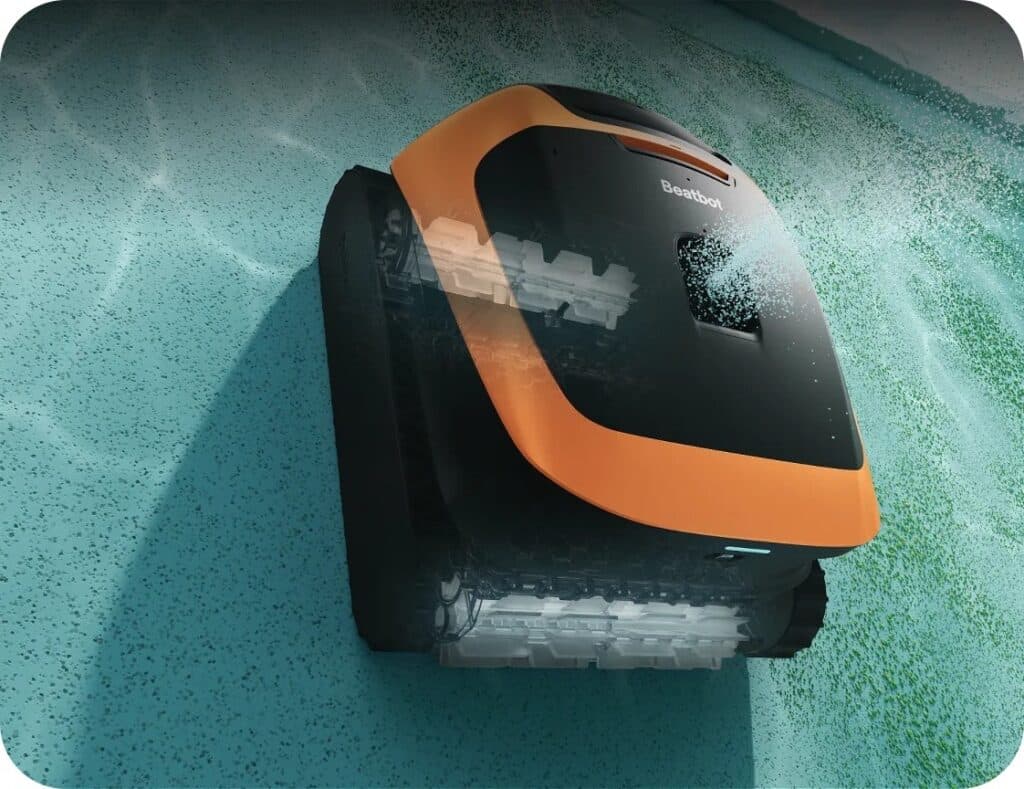
Cleaning Removes The Debris Chlorine Should Not Fight Alone
Physical cleaning is a major part of pool water health. Leaves, bugs, pollen, dust, sunscreen, and body oils can settle on the floor, stick to walls, collect around the waterline, or float on the surface. If debris sits too long, it can break down and make the pool harder to keep clean.
Chlorine helps sanitize the water, but it does not remove every visible contaminant. It will not scrub the waterline, empty the skimmer basket, clean the filter, or vacuum dirt from the floor. That work still matters.
Pool owners should build a regular cleaning routine: skim visible debris, brush steps and corners, vacuum settled dirt, empty skimmer and pump baskets, and clean or backwash the filter as needed. These small tasks reduce the burden on sanitizer and help the pool look clearer between tests.
Balanced Water Supports Comfort, Clarity, and Equipment Life
What to test regularly
A healthy pool routine should include more than a quick look at the water. Test free chlorine, pH, total alkalinity, calcium hardness, and stabilizer when relevant.
Chlorine supports sanitation. pH affects swimmer comfort and sanitizer performance. Alkalinity helps keep pH from swinging too quickly. Calcium hardness helps protect pool surfaces and equipment when kept in the right range. Stabilizer can help outdoor chlorine last longer in sunlight, but too much or too little can create problems.
Pool products vary, so follow label directions when adjusting chemicals. If readings are confusing or the water does not improve after normal care, local pool guidance can help prevent overcorrecting.
Signs the water needs attention
Some warning signs are easy to see. Cloudy water, slippery walls or steps, green or yellow discoloration, strong chemical smell, eye or skin discomfort, and debris collecting faster than usual all suggest the pool needs a closer check.
These signs do not always point to one single cause. Cloudy water might come from poor filtration, low sanitizer, high pH, algae, fine debris, or heavy swimmer use. Testing is better than guessing because the same symptom can have different causes.

Beatbot Support for Routine Pool Cleaning
A swimming pool vacuum cleaner can support pool water health by removing visible debris before it sits too long on pool surfaces. Beatbot models can be useful for families that want cleaning to happen more consistently, especially during busy swim seasons. For larger or frequently used pools, AquaSense 2 Ultra and AquaSense 2 Pro are stronger options because they are designed for broader coverage, including the floor, walls, waterline, and, depending on the model, surface cleaning. For simpler routines, Sora models can be matched by pool size, debris level, and budget. A normal weekend example is easy to picture: after children swim, leaves and insects collect near the edge, dust settles on the floor, and sunscreen residue begins to show around the waterline. The cleaner can help collect visible debris while the owner checks chlorine, pH, filtration, and skimmer baskets. It supports physical cleaning, but it does not replace water testing, chlorine balance, filtration, or safe chemical handling.
| Pool problem | What it affects | What helps |
| Leaves and insects | Organic load and appearance | Skimming, vacuuming, robotic cleaning |
| High pH | Chlorine performance and comfort | Testing and careful adjustment |
| Low free chlorine | Sanitizer level | Test first, then adjust by label directions |
| Oily waterline | Comfort and appearance | Brushing or robotic waterline cleaning |
| Dirty filter | Circulation and clarity | Rinse, clean, or backwash as needed |
| Cloudy water | Visibility and swimmer confidence | Test chemistry, improve filtration, remove debris |
Simple Habits That Keep Water Healthier Between Tests
A cleaner pool comes from repeatable habits, not one big cleanup. Skim leaves and insects before they sink. Run the pump long enough for proper circulation. Brush steps, corners, and the waterline where buildup often starts. Empty skimmer and pump baskets before they restrict flow. Rinse or backwash the filter when pressure or performance shows it is needed.
Swimmers can help too. Showering before swimming, keeping food out of the pool, removing toys after use, and avoiding swimming when sick all support better water health. After storms, pool parties, heat waves, or heavy use, test the water more carefully instead of waiting for the pool to look bad.
Avoid Common Chlorine and Cleaning Mistakes
One common mistake is adding chlorine without testing first. Another is ignoring pH and alkalinity, even though they affect how well sanitizer performs. A strong chemical smell should not be treated as proof that the pool is clean.
Letting debris sit for days is another problem. Leaves and organic material can break down, stain surfaces, and make the water harder to manage. Forgetting to clean the filter can also reduce circulation and leave the pool looking cloudy.
Chemical safety matters every time. Do not mix pool chemicals. Store them away from children and pets. Let chemicals circulate according to label directions before swimming. If water looks or feels wrong, pause swimming until the pool has been tested and corrected.
Building a Healthier Pool Routine
Healthier pool water comes from combining chemical balance with physical cleaning. Chlorine helps sanitize. pH affects chlorine performance and swimmer comfort. Cleaning removes visible debris. Filtration keeps water moving and helps capture particles.
No single step does everything. A pool that is cleaned but poorly balanced can still be uncomfortable. A pool with chlorine but poor filtration or heavy debris can still look cloudy. The best routine is steady, simple, and easy to repeat.
A clean, balanced pool feels better, looks clearer, and gives families more confidence every time they swim. With regular testing, good filtration, debris removal, and safe chemical handling, pool water health becomes much easier to maintain through the season.
Other Articles You May Find of Interest...
- Your COA Says “Pass.” Here’s How to Check the Lab Agrees.
- How to Make a Nutrition Facts Label for Your Food Product: A Step-by-Step Guide
- How to Count Respirations in 15 Seconds
- Are There Lymph Nodes in the Lower Leg?
- Why Blood Plasma Is Yellow
- How to Measure Respiration Rate Accurately
- Where Are the Pores of Sweat Glands Located?