






More Hair Care Articles
Reviving Your Locks: Navigating Post Chemo Hair Growth
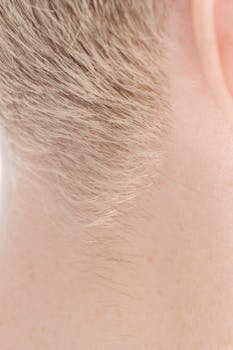
Undergoing chemotherapy presents numerous challenges, with hair loss being one of the most visible and emotionally taxing side effects. As patients look forward to the next phase of their journey, understanding what to expect during the post chemo hair growth period can provide a sense of hope and control. The journey to hair regrowth varies for each individual, with factors such as treatment type, personal health, and genetics playing pivotal roles. Here’s a comprehensive guide to understanding and navigating this important stage of recovery.
Understanding Post Chemo Hair Growth
After completing chemotherapy, many patients eagerly anticipate the return of their hair, a process that typically begins a few weeks following the last treatment. Hair growth post chemo is generally slow at first but gains momentum as the body recovers. Patients may notice their hair texture or color changing initially. It’s not uncommon for new hair to be curlier or thicker than before. While some embrace these changes, others may find them unsettling. However, with time and patience, hair often returns to its pre-chemo state, though this can take several months.
Stages of Hair Regrowth
Understanding the stages of hair regrowth can help in setting realistic expectations:
- Weeks 3-4: A soft fuzz may begin to appear on the scalp. This is a sign that the hair follicles are awakening from their dormant state.
- Weeks 6-8: Hair becomes more noticeable and may start to thicken. During this time, it’s important to maintain scalp care to support healthy growth.
- Months 2-3: Hair continues to lengthen and may reach around one inch. Patients may notice the hair becoming more like their previous texture.
- Beyond 6 months: Significant progress is noted, with many finding their hair has regained much of its former vibrancy. Typically, by this stage, styling options increase substantially.
Supporting New Growth: Tips and Tricks
While it’s not possible to entirely control how quickly or abundantly post chemo hair grows, there are several steps you can take to optimize hair health:
- Maintain a nutrient-rich diet rich in vitamins and minerals, such as vitamin D and iron, which are critical for hair health.
- Consider gentle scalp massages to stimulate blood circulation to the hair follicles.
- Use mild, sulfate-free shampoos and conditioners to avoid irritating the scalp.
- Protect new hair from excessive sun exposure and environmental pollutants by wearing hats or scarves.
The Role of Professional Care and Products
Consulting with a dermatologist or a trichologist (a specialist in hair and scalp care) can provide personalized insights and treatment plans tailored to individual needs. These professionals may recommend specific products or supplements that are known to support hair growth post-treatment. Always discuss any new regimen with your healthcare provider to ensure it complements your recovery plan.
For those interested in a holistic approach to hair health after chemotherapy, exploring complementary and integrative strategies can provide additional support and wellness benefits.
Emotional Support During Hair Regrowth
The emotional journey of hair regrowth can be just as significant as the physical one. Many people find their self-esteem and confidence closely tied to their hair. Strategies to bolster emotional health include connecting with support groups, engaging in mindfulness practices, and discussing experiences with friends or therapists. Remember, you’re not alone on this journey, and reaching out for help can be incredibly empowering.
External Resources and Further Reading
For additional trustworthy information on managing life post-chemotherapy and the science behind hair regrowth, consider visiting reputable sources like the Wikipedia Health page. These resources offer a wide range of articles and studies that discuss various aspects of health and recovery.
Ultimately, while the journey of hair growth post chemo presents challenges, it is a manageable and hopeful phase for many. With time, care, and the right information, individuals can look forward to not only the return of their hair but a renewed sense of self-confidence and wellbeing.
- Hair growth typically begins a few weeks after chemotherapy ends.
- Changes in hair texture or color are common initially.
- Maintaining a healthy diet and scalp care can aid regrowth.
- Professional guidance can provide tailored support.
- Emotional support is crucial during the hair regrowth journey.
Frequently Asked Questions
How long does it take for hair to fully grow back after chemotherapy?
Hair typically begins to grow back a few weeks after the completion of chemotherapy, with significant growth often observed around six months post-treatment. Full regrowth may vary among individuals.
Will my hair grow back the same as before?
It’s common for patients to experience changes in hair texture and color during initial regrowth. While these changes can persist, hair often returns to its original state over time.
Are there treatments that can speed up hair regrowth?
While no treatment guarantees accelerated hair growth, supportive measures such as a nutritious diet, gentle scalp massages, and the use of specific hair care products may encourage healthier hair and potentially improve regrowth.
What can I do to take care of my new hair?
To care for new hair, use mild shampoos and conditioners, avoid harsh hair treatments, and protect your scalp from extreme weather conditions. Regular trims can also help maintain hair health as it grows.
Is it safe to dye my hair after chemotherapy?
It’s advisable to wait until hair is stronger and more robust, usually after six months or longer, before applying any hair dyes or chemicals. Consulting with a hair care professional can provide personalized recommendations based on individual circumstances.
Other Articles You May Find of Interest...
- Does Accutane Cause Hair Loss? Uncovering the Truth Behind This Common Concern
- Does Metformin Cause Hair Loss? Unraveling the Connection
- Could Magnesium L-Threonate Hold the Key to Preventing Hair Loss?
- Postpartum Hair Loss: Duration, Causes, and Solutions
- Does Masturbation Really Lead to Hair Loss?
- Unlocking Hair Growth: How Minoxidil and Finasteride Work Together
- Can Vitamin D Help Prevent Hair Fall? Discover the Connection




