






More Hair Care Articles
Exploring the Importance of the Greater Sciatic Foramen in Human Anatomy
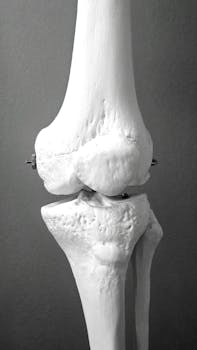
The greater sciatic foramen is a crucial structure in the human body that plays an essential role in the stability and function of the pelvis and lower limbs. It serves as a passageway for numerous nerves and blood vessels, facilitating communication between the pelvis and the lower extremities. Understanding its anatomy and functions helps in comprehending various physiological processes and potential health issues related to the lower body.
The Anatomy of the Greater Sciatic Foramen
The greater sciatic foramen is formed by the sacrospinous ligament and the greater sciatic notch of the pelvic bone. It is one of two sciatic foramina, with the other being the lesser sciatic foramen. This opening is a significant feature of the human skeletal structure, providing a pathway for the sciatic nerve, the largest nerve in the body, as well as other critical neurovascular elements.
Components Passing Through the Greater Sciatic Foramen
Several important structures pass through this foramen, including:
- Sciatic nerve: The main nerve supplying the leg, splitting into the tibial and common peroneal nerves as it descends.
- Gluteal nerves and vessels: These supply the gluteal muscles, which are crucial for movement and stability.
- Pudendal nerve: This nerve supplies the pelvic floor muscles and is key in urinary and fecal continence.
- Posterior femoral cutaneous nerve: This offers sensory innervation to the posterior thigh.
The Role of Ligaments and Muscles
The sacrospinous and sacrotuberous ligaments give structure to the foramen, contributing to the stability of the pelvis. Muscles such as the piriformis also pass through or near the greater sciatic foramen, impacting movement and flexibility. These elements work collectively to support movement and absorb impact during activities like walking or running.
Clinical Significance of the Greater Sciatic Foramen
Understanding the greater sciatic foramen is crucial for diagnosing and managing certain medical conditions. Conditions such as piriformis syndrome, in which the piriformis muscle irritates the sciatic nerve, can lead to pain and dysfunction. Other issues include trauma or inflammation affecting the structures passing through the foramen.
Sciatica and Other Nerve Impairments
Sciatica is characterized by pain that radiates along the path of the sciatic nerve. This pain often arises from compression or irritation in the greater sciatic foramen. It’s crucial for healthcare providers to consider this area when diagnosing leg and back pain to administer effective treatment.
Diagnosis and Treatment
A thorough understanding of the anatomy of the greater sciatic foramen aids in the diagnosis of related conditions. Imaging techniques, such as MRI or CT scans, can help visualize abnormalities. Treatment might include physical therapy, medications to reduce inflammation, or, in severe cases, surgical intervention to relieve compression.
Functional Implications of the Greater Sciatic Foramen
The practical function of the greater sciatic foramen extends beyond its anatomical significance. By allowing the passage of several vital structures, it directly influences the function and health of the lower limb. A full understanding of this foramen helps healthcare providers manage and treat conditions affecting mobility and posture.
The association between diet and musculoskeletal health plays a role in preventing issues in areas such as the greater sciatic foramen. For further insights on nutrition and its impact on weight and health, consider reading about the benefits of a high-protein diet for weight management.
Research and Exploration
Continuous research is crucial to uncover the complexities of the greater sciatic foramen and enhance treatment options for related conditions. As studies progress, there is hope for better diagnostic tools and more personalized approaches to manage disorders associated with this anatomical feature.
For in-depth historical and current scientific exploration, the Wikipedia article on Health offers a comprehensive overview of developments in the field.
- The greater sciatic foramen is vital for pelvic and leg function.
- It enables the passage of crucial nerves and blood vessels.
- Sciatica is a common condition linked to issues in this area.
- Treatment varies from therapy to potential surgical options.
- Continual research aims to improve diagnostic and treatment methods.
What passes through the greater sciatic foramen?
The sciatic nerve, gluteal nerves and vessels, pudendal nerve, and posterior femoral cutaneous nerve travel through the foramen, facilitating critical communication between the pelvis and lower limb.
Why is the greater sciatic foramen important?
It is crucial for the passage of nerves and blood vessels that support the functioning of the lower body. Disruptions here can lead to conditions like sciatica.
How does the greater sciatic foramen relate to sciatica?
Sciatica occurs when the sciatic nerve is irritated or compressed, often within or near the greater sciatic foramen. This can lead to significant leg pain and mobility issues.
What conditions affect the greater sciatic foramen?
Conditions like piriformis syndrome, nerve compression, and trauma to the pelvic area can affect this foramen, leading to pain or dysfunction.
Can lifestyle changes impact the health of the greater sciatic foramen?
Yes, maintaining a healthy weight and an active lifestyle can reduce strain and pressure on the pelvic structures, potentially preventing nerve compression.
Other Articles You May Find of Interest...
- Exploring the Importance of the Greater Sciatic Foramen in Human Anatomy
- Does Accutane Cause Hair Loss? Uncovering the Truth Behind This Common Concern
- Does Metformin Cause Hair Loss? Unraveling the Connection
- Could Magnesium L-Threonate Hold the Key to Preventing Hair Loss?
- Postpartum Hair Loss: Duration, Causes, and Solutions
- Does Masturbation Really Lead to Hair Loss?
- Unlocking Hair Growth: How Minoxidil and Finasteride Work Together




