






More Gastroenterology Articles
What Causes Chest Pain After Eating?
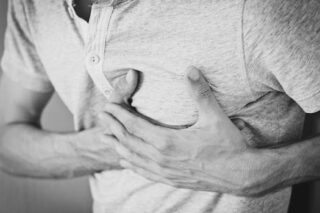
Experiencing chest pain after eating can be concerning, but it’s more common than you might think. This discomfort can manifest as mild unease or severe constriction, and understanding its causes is crucial for effective management. While it might be as simple as indigestion, chest pain after eating could also signal underlying health issues that require attention.
Common Causes of Chest Pain After Eating
Understanding the reasons behind chest pain after food intake can help alleviate anxiety and guide you toward the appropriate next steps. Here are some common causes:
- Gastroesophageal Reflux Disease (GERD): Often known as acid reflux, GERD occurs when stomach acid flows back into the esophagus, causing irritation and heartburn. This condition can lead to chest pain or a burning sensation after meals.
- Esophagitis: Inflammation of the esophagus can result from GERD, infections, or certain medications, resulting in chest discomfort.
- Peptic Ulcers: These are open sores in the stomach lining or small intestine, which can cause burning pain that might radiate to the chest after eating.
- Gallbladder Problems: Issues such as gallstones can cause pain after eating, especially if the meal is high in fat. This pain might be felt in the upper right abdomen and chest.
- Hiatal Hernia: This condition occurs when part of the stomach pushes through the diaphragm into the chest cavity, possibly leading to discomfort after eating.
Managing Chest Pain After Eating
Persistent chest pain after eating suggests the need for a medical evaluation to rule out serious conditions. Here are some strategies to help alleviate symptoms:
- Dietary Changes: Avoiding foods that trigger symptoms can be helpful. Fatty, spicy, or acidic foods are common culprits.
- Eating Habits: Eating smaller, more frequent meals and not lying down immediately after eating can reduce symptoms.
- Lifestyle Adjustments: Weight management and regular exercise can also be beneficial. Learn more about safe and effective weight loss approaches.
- Over-the-counter Medications: Antacids or acid reducers might alleviate symptoms, but they should not replace a doctor’s guidance.
When to Seek Medical Help
If you experience chest tightness after eating that is severe or accompanied by symptoms such as shortness of breath, dizziness, or jaw pain, you should seek immediate medical attention. These could be signs of a more serious condition, such as a heart attack.
Understanding the Risk Factors
Several risk factors contribute to developing chest pain after eating:
- Obesity: Excess weight can increase pressure on the stomach, making reflux and related pain more likely.
- Poor Diet Choices: Diets high in processed foods, fatty meals, and artificial additives can exacerbate digestive issues.
- Smoking: Smoking can weaken the lower esophageal sphincter, allowing stomach acid to back up.
- Stress: High stress levels can lead to various gastrointestinal problems, including pain after meals.
Conclusion: Why Does My Heart Hurt After I Eat?
In summary, experiencing chest pain after eating can be a symptom of several underlying conditions, and it’s important not to ignore it. Understanding the potential causes and adjusting your lifestyle can aid in prevention and management. If in doubt, always seek medical guidance to ensure that the symptom is not indicative of a more serious health issue. For more detailed information, visit Wikipedia’s health section.
- Chest pain after eating can be due to digestive or other health issues.
- Common causes include GERD, esophagitis, and gallbladder problems.
- Dietary and lifestyle changes can manage symptoms effectively.
- Seek medical attention for severe or accompanying worrying symptoms.
FAQs
What are the common foods that trigger chest pain after eating?
Foods that are often troublesome include spicy foods, fatty meals, citrus fruits, onions, and chocolate.
How can I differentiate between heartburn and heart-related chest pain?
Heartburn usually feels like a burning sensation in the chest and may be relieved by antacids. Heart-related pain can radiate to the arms or jaw and is often accompanied by shortness of breath.
Can stress cause chest pain after eating?
Yes, stress can exacerbate gastrointestinal symptoms, potentially leading to chest discomfort after meals.
Is chest pain after eating always related to the heart?
No, while it can be a symptom of heart issues, many cases are related to digestive problems such as GERD or ulcers.
When should I see a doctor for chest pain after eating?
If chest pain is severe, persistent, or accompanied by other symptoms like shortness of breath, it is crucial to seek medical advice promptly.
Other Articles You May Find of Interest...
- Essential Insights into SBP Prophylaxis for Optimal Health
- The Causes and Relief Strategies for Itchy Hemorrhoids
- Can Gas Cause Chest Pain? Understanding the Connection
- Is Your Potassium Level Balanced? Discover the Importance of the Potassium RBC Blood Test
- Understanding Ground Emesis: Causes, Symptoms and Treatment Options
- SIADH vs DI: Key Differences and Implications for Health
- Exploring the Various Types of Hernias and Their Impact on Health




