






More Gastroenterology Articles
Unlocking the Secrets of Digestive Enzymes for Better Gut Health
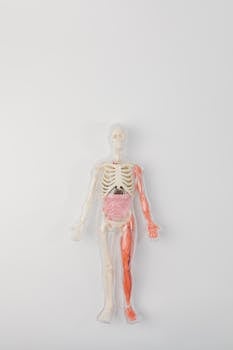
Understanding what are digestive enzymes is essential for anyone looking to improve their gut health and overall digestion. These vital proteins break down food into nutrients that the body can easily absorb. By doing so, digestive enzymes aid in the optimal functioning of the gastrointestinal system, helping you harness the maximum nutritional benefits from what you eat.
What Are Digestive Enzymes?
Digestive enzymes are biological molecules that facilitate the breakdown of food into smaller, absorbable components. They are secreted by the salivary glands, stomach, pancreas, and small intestine. Each type of enzyme plays a specific role in the digestive process, targeting carbohydrates, proteins, or fats.
Types of Digestive Enzymes
The main types of digestive enzymes include:
- Amylase: Breaks down carbohydrates into sugars. Found in saliva and pancreatic juices.
- Protease: Decomposes proteins into amino acids. It is present in the stomach, pancreas, and intestines.
- Lipase: Aids in the digestion of fats, making them accessible for energy use. Produced in the pancreas and released into the small intestine.
The Role of Digestive Enzymes in Gut Health
Optimal gut health relies significantly on the efficient functioning of digestive enzymes. They ensure that nutrients are absorbed correctly, which is crucial for maintaining the integrity of the gut lining and supporting the immune system. Poor enzyme activity could lead to digestive issues like bloating, gas, and nutrient deficiencies.
Enzyme supplements can also be considered for individuals with specific enzyme deficiencies. For more information on improving health through diet, explore our article on safe and effective weight loss approaches.
Factors Affecting Enzyme Production
Enzyme production can be influenced by several factors including age, genetics, diet, and lifestyle. As we age, the body may produce fewer enzymes, making it harder to digest certain foods. Additionally, dietary choices that lack variety may not stimulate optimal enzyme production.
Lifestyle factors such as stress, lack of sleep, and dehydration can also negatively impact enzyme activity. Therefore, maintaining a balanced diet and a healthy lifestyle can significantly support enzyme function.
Foods That May Support Enzyme Production
Some foods naturally contain enzymes or stimulate the body to produce them. These include:
- Pineapple: Contains bromelain, which aids in protein digestion.
- Papaya: Rich in papain, another enzyme that helps with protein digestion.
- Mango: Provides amylase, assisting in carbohydrate metabolism.
- Bananas: Known for their fiber content, they also provide amylase and glucosidase.
Can Digestive Enzyme Supplements Help?
Digestive enzyme supplements may be beneficial for those with enzyme deficiencies or certain digestive conditions. Conditions such as lactose intolerance or pancreatic insufficiency can benefit from specific enzyme supplements like lactase or those that assist in fat digestion.
However, it is essential to consult a healthcare provider before starting any supplement regimen to ensure it aligns with your specific health needs.
For reputable information about digestive enzymes and their function, consider visiting the Digestive Enzyme entry on Wikipedia.
Maintaining Gut Health Through Enzymes
In addition to a balanced diet rich in enzyme-supporting foods, staying hydrated, managing stress, and getting enough sleep can optimize enzyme production and maintain gut health. Engaging in regular physical activity can also improve digestion and enzyme efficiency.
In conclusion, understanding what are digestive enzymes is crucial for anyone interested in enhancing their digestive health. Ensuring your body has the proper enzymes can lead to better nutritional intake and overall wellness.
- Digestive enzymes are proteins that help break down foods.
- They ensure efficient nutrient absorption in the gut.
- Factors like age and lifestyle can affect enzyme production.
- Foods like pineapple and papaya may support enzyme activity.
- Consult a healthcare provider before using enzyme supplements.
FAQ
What are the main types of digestive enzymes?
The main types include amylase, protease, and lipase, each targeting different food components like carbohydrates, proteins, and fats, respectively.
Can diet affect digestive enzyme production?
Yes, a diet lacking in variety or vital nutrients may hamper enzyme production, while certain foods can enhance it.
Are digestive enzyme supplements safe?
They can be, particularly for those with proven deficiencies. However, it’s important to consult a healthcare provider for personalized advice.
How can I naturally boost my digestive enzymes?
Incorporate foods rich in natural enzymes, maintain a balanced diet, stay hydrated, and manage stress for optimal enzyme production.
What lifestyle factors impact digestive enzyme efficiency?
Factors such as stress, sleep quality, hydration, and physical activity can all affect enzyme activity and gut health overall.
Other Articles You May Find of Interest...
- SIADH vs DI: Key Differences and Implications for Health
- Exploring the Various Types of Hernias and Their Impact on Health
- Common Conditions That Can Be Mistaken for a Hernia
- What Waxy Cast Urine Reveals About Your Kidney Health
- Can Pepto Bismol Relieve Your Heartburn Symptoms?
- Uncovering the Mystery of High Celiac Antibodies Without Symptoms
- Essential Tips for a Comfortable Toilet Experience




