






More Gastroenterology Articles
Shortness of Breath After Eating: What Could Be Causing It?
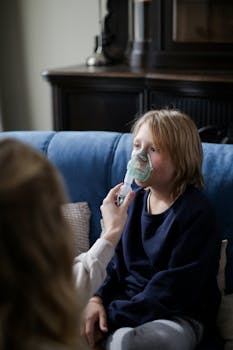
Experiencing shortness of breath after eating is an unsettling sensation that many people encounter. This discomfort can stem from various underlying causes, each affecting the body differently. It’s essential to understand these potential triggers to better manage and address any concerns. Here, we explore some common reasons behind feeling short of breath after eating and what you can do about it.
What Causes Shortness of Breath After Eating?
Shortness of breath after eating can be attributed to numerous factors, ranging from food allergies to digestive disorders. Understanding the specific cause is crucial in identifying the appropriate solution. Here are some possible reasons you might feel out of breath after a meal:
- Gastroesophageal Reflux Disease (GERD): GERD is a digestive disorder where stomach acid frequently flows back into the esophagus, causing irritation. This can lead to discomfort and breathing difficulties after eating, especially after consuming large meals or certain trigger foods.
- Food Allergies: If you’re allergic to specific foods, consuming even a small amount can cause a reaction, including shortness of breath. Allergies often involve symptoms like swelling of the airways, which can make breathing more challenging.
- Hiatal Hernia: This condition occurs when part of the stomach pushes through the diaphragm into the chest cavity. Eating can exacerbate the situation, leading to pressure on the lungs and difficulty breathing.
- Asthma: Some individuals with asthma may experience symptoms triggered by certain foods or mealtime itself. Post-meal breathing difficulties might occur as part of an asthma attack.
- Eating Habits: Eating too quickly or consuming large meals can put pressure on the diaphragm and lungs, leading to temporary shortness of breath. This is often resolved by altering eating habits.
Managing Shortness of Breath Triggered by Meals
Identifying and managing the underlying cause of shortness of breath after food is crucial for effective relief. If you suspect food allergies, consulting with an allergist can be helpful. In cases of GERD, lifestyle changes and medications may reduce symptoms. For asthma-related issues, working with a healthcare provider to manage asthma can alleviate breathing problems.
Beyond addressing specific conditions, general strategies can promote better digestive and respiratory health:
- Eat slowly and chew thoroughly to reduce the likelihood of overexerting the diaphragm.
- Avoid known food triggers if allergies or GERD are concerns.
- Maintain an upright posture during and after meals to facilitate easier breathing.
- Consider smaller, more frequent meals to ease digestive strain.
Consulting a Healthcare Provider
If breathing difficulties persist, consulting a healthcare provider is essential to rule out potentially serious conditions. Persistent shortness of breath can indicate an underlying health issue that requires professional attention. Additionally, weight management may impact breathing comfort. For information on safe weight loss and hidden causes, see our article on safe and effective weight loss.
External Resources
For further reading on overall health issues related to shortness of breath, you may find this Wikipedia article on health useful.
Understanding the link between shortness of breath and eating can enable you to take proactive steps towards improved well-being. Whether by adjusting your diet, seeking medical advice, or modifying your lifestyle, consider various options to find what works best for you.
- Shortness of breath after eating can result from digestive or allergic reactions.
- Common causes include GERD, food allergies, and hiatal hernia.
- Identifying trigger foods and changing eating habits can alleviate symptoms.
- Consult a healthcare provider for persistent or severe symptoms.
- Weight management can also influence breathing comfort.
FAQ
Can eating too fast cause shortness of breath?
Yes, eating too quickly can lead to swallowing air and overeating, which may exert pressure on the diaphragm and lungs, causing temporary shortness of breath.
Are there specific foods that commonly cause this condition?
Acidic and spicy foods, along with large meals, are common triggers for GERD and can lead to shortness of breath. Allergies to specific foods may also be a cause.
Should I avoid exercise after eating if I experience shortness of breath?
It’s generally advisable to wait a while after eating before engaging in vigorous physical activity, especially if prone to shortness of breath. Light walking may aid digestion instead.
When should I see a doctor for shortness of breath after eating?
If the condition is persistent, severe, or accompanied by other symptoms such as chest pain or extreme fatigue, seeking medical advice is essential.
Could shortness of breath indicate a more serious condition?
Yes, it could be a symptom of more serious issues, such as heart or lung conditions. Consulting with a healthcare provider is crucial for an accurate diagnosis.
Other Articles You May Find of Interest...
- Effective Ways to Use Castor Oil for Managing Fatty Liver
- What Does a Hepatitis Panel Reveal About Your Health?
- Is Your Gallbladder Hydrops a Cause for Concern?
- Essential Insights Into the US Abdomen Complete Examination
- Navigating Celiac Disease: Understanding Its ICD 10 Classification and Diagnosis
- Unlocking the Secrets of Your Iron Panel for Better Health
- What Are Normal PTH Levels and Their Importance for Your Health?



