






More Gastroenterology Articles
Navigating the Journey: What to Expect During Hiatal Hernia Surgery Recovery
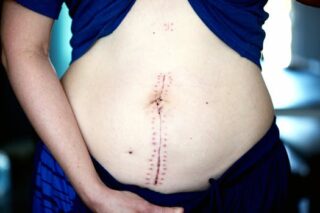
Understanding the process of hiatal hernia surgery recovery time is essential for anyone about to undergo this procedure. When preparing for hiatal hernia surgery, it’s natural to have questions about what the recovery process will entail and how long it will take. This article aims to shed light on what patients can expect following their surgery and offer helpful tips for a smoother recovery.
Understanding Hiatal Hernia Surgery Recovery Time
Hiatal hernia surgery recovery time can vary based on individual health conditions and the surgical method used. Generally, most patients can expect to resume normal activities within 4-6 weeks post-surgery. However, understanding the stages of recovery and knowing what steps to take during each phase can positively impact your healing process.
The Immediate Post-Surgery Phase
Immediately following your surgery, medical staff will monitor you closely as you wake from anesthesia. Within a day or two, you’ll likely be encouraged to walk short distances, which helps facilitate quicker recovery by reducing the risk of blood clots. Eating a soft diet is also recommended at this stage as your digestive system adjusts.
First Week of Recovery
In the first week post-surgery, your body is in the delicate initial healing phase. You’ll need to manage discomfort with prescribed pain medications and follow a modified diet. During this time, monitoring your incision for any signs of infection is crucial, as is maintaining adequate fluid intake to stay hydrated.
Weeks Two to Four
The second to fourth week post-surgery involves a gradual return to light physical activities. Patients are encouraged to engage in gentle exercises like walking, which promotes circulation and aids digestion. At this stage, many people feel more normal, though it’s important to avoid heavy lifting or strenuous activities.
Returning to Normal Activities
Most patients can resume regular activities approximately four to six weeks after surgery. For some, this might mean returning to work, while others may gradually reintroduce more intense exercise routines. It’s important to consult your healthcare provider before resuming any activities, especially if you engage in physically demanding jobs or sports.
During your recovery journey, staying informed about any unusual symptoms is crucial. For more insights into managing specific health symptoms, consider reading our guide on recognizing the signs of hemochromatosis.
Long-Term Considerations
While the initial recovery from hiatal hernia surgery is just a few weeks, patients should remain aware of their long-term health. Following your doctor’s dietary guidelines and engaging in regular follow-ups can prevent recurrence. Remember, each patient’s recovery is unique, and maintaining open communication with your healthcare provider is essential.
For a comprehensive understanding of hiatal hernia surgery and other related procedures, refer to reliable sources of information. External resources like this Wikipedia article offer valuable insights into the condition and treatment.
In conclusion, navigating the recovery phase after hiatal hernia surgery requires patience, dedication, and informed care. By understanding what to expect during this period, patients can positively influence their healing journey and return to daily life with a healthy perspective.
- Hiatal hernia surgery recovery typically lasts 4-6 weeks.
- Immediate post-surgery care is crucial for a successful recovery.
- Follow-up appointments are important to monitor your progress.
- Exercise and diet adjustments can support long-term recovery.
FAQs
How long does hiatal hernia surgery recovery take?
The recovery process typically takes between 4 to 6 weeks, but it varies among individuals based on health and surgical factors.
What can I eat after hiatal hernia surgery?
A soft diet is recommended initially, gradually transitioning to regular foods as tolerated. Your healthcare provider will give specific guidance.
When can I return to work after the surgery?
Many patients return to work within two to six weeks, depending on the physical demands of their job and individual recovery progress.
Are there any long-term dietary changes required?
Yes, patients are often advised to make permanent dietary adjustments to prevent complications. This includes avoiding foods that may exacerbate symptoms.
Is follow-up care important?
Yes, regular follow-up care is essential to monitor your recovery and manage any potential complications after surgery.
Other Articles You May Find of Interest...
- Managing Diverticulitis: The Role of Ozempic in Your Health Journey
- What You Need to Know About Pyelitis and Its Impact on Kidney Health
- What Is Urea Plasma and How Does It Affect Your Health?
- The Double Bubble Sign: What It Means for Your Health?
- Tracking GFR Creatinine Trends During Acute Kidney Injury for Better Health Outcomes
- Discovering the Benefits and Challenges of Aeiou Dialysis
- Hepatocellular Adenoma: Risk Factors, Symptoms, and Treatment Options




