More Gastroenterology Articles
Exploring the Role of Paracolic Gutters in Digestive Health
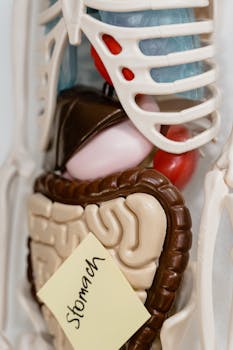
Imagine you’re suffering from an unexpected, persistent abdominal pain. It’s normal to wonder about the cause and whether it could be linked to something like the paracolic gutter. These anatomical formations, located in your abdomen, serve as conduits for fluids and can potentially impact your digestive health more than you might think.
The Role of the Paracolic Gutter in Your Abdomen
The paracolic gutter is an important part of the abdominal cavity, acting like a highway for the movement of fluids around the intestines. Its two sections, the right and left paracolic gutters, are positioned to help fluid drainage, which can be crucial when inflammation or infection is present. When these gutters function properly, they assist in maintaining an even distribution of intestinal contents, ensuring nothing gets in the way of smooth digestion.
Potential Issues and Their Impact on Everyday Life
When the paracolic gutters are obstructed or affected by an infection, it can lead to complications such as abscesses or even aid in the spread of diseases. A malfunctioning paracolic gutter can cause symptoms like severe abdominal pain, nausea, or changes in bowel habits—symptoms that can significantly affect daily activities and quality of life.
When to Seek Care
If you experience persistent abdominal pain, unexplained fever, or significant changes in digestive function, it’s important to consult a healthcare provider. Gastroenterologists specialize in digestive health and can determine whether issues related to the paracolic gutters are contributing to your symptoms. Don’t hesitate to seek their expertise, especially if self-care methods do not provide relief. For further reading on symptoms that may need professional evaluation, you can explore Recognizing Symptoms.
Connections with Digestive Health Conditions
Conditions such as appendicitis or diverticulitis can be exacerbated by issues in the paracolic gutter, as these structures may facilitate the spread of infection. Understanding the role of paracolic gutters in such conditions allows healthcare professionals to target treatments effectively. It’s a complex journey of diagnosis and management when symptoms overlap with other gastroenterological issues.
How Medical Treatments May Influence Paracolic Gutters
When treating abdominal infections or inflammations, certain medications could potentially affect the function of the paracolic gutters. For instance, anti-inflammatory or antibiotic treatments prescribed for conditions like peritonitis may alter the movement of fluids through these channels. It’s not uncommon for side effects to include abdominal discomfort or bloating, which generally subside over time. Discussing potential side effects and treatment expectations with your doctor is an integral part of effective care management.
Takeaways
- The paracolic gutter plays a crucial role in fluid movement in the abdominal cavity.
- Obstruction or infection can significantly impact digestive health.
- Symptoms may include abdominal pain and changes in bowel habits.
- Gastroenterologists can provide specialized care for related conditions.
- Discuss potential treatment side effects with your doctor.
Common Questions
What type of provider should I see for paracolic gutter issues?
A gastroenterologist is best equipped to address and diagnose issues related to the paracolic gutters, as they focus on digestive system health.
Can paracolic gutters become blocked?
Yes, blockages can occur due to inflammation or infection. This can lead to the buildup of fluids and subsequent health complications.
How might diet impact the function of paracolic gutters?
A healthy diet rich in fiber might support overall digestive health, though its direct impact on paracolic gutters specifically isn’t well-studied.
Are there long-term effects if paracolic gutters are not functioning properly?
If left untreated, problems with the paracolic gutters can contribute to more serious abdominal complications such as infections or abscesses.
When should I consider seeking medical advice?
Persistent or severe abdominal pain, sudden changes in digestion, or symptoms like unexplained fever should prompt a visit to a healthcare provider.
For more detailed information on digestive health, you can visit Health Information online.
Other Articles You May Find of Interest...
- Why You Get Stomach Bloating and Gas After Eating Meat
- Why Does Chick-fil-A Make My Stomach Hurt?
- Dr. Omar Marar on the Evolution of Modern Colorectal Surgery
- Pain Where Your Appendix Was Removed Years Ago: Possible Causes
- Why Multi-Strain Probiotics May Offer Broader Digestive Support
- What a Healthy Colon Looks Like During Colonoscopy
- A Better Digestive Rhythm: Everyday Habits for Preventing Occasional Constipation