






More Gastroenterology Articles
Coping with the Carp Skin Condition: Effective Strategies for Management
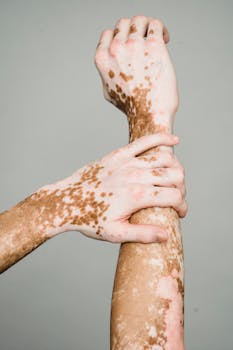
Carp skin condition, also known as fish scale disease, can be a challenging and persistent dermatological issue. This condition is characterized by dry, scaly skin that resembles fish or carp scales. While it can be aesthetically concerning and uncomfortable, understanding its causes and management strategies can help those affected cope more effectively.
Understanding Carp Skin Condition
Carp skin condition is typically a genetic disorder, but it can also be influenced by environmental factors. The condition affects the skin’s ability to shed dead skin cells, leading to a buildup that causes the characteristic scales. This can result in dryness, itchiness, and even cracking of the skin in severe cases.
Causes and Risk Factors
The primary cause of the carp skin condition is a mutation in the FLG gene. This gene is responsible for producing filaggrin, a protein important for the skin’s barrier function. A deficiency in filaggrin can lead to moisture loss and increased vulnerability to environmental irritants. Other contributing factors may include:
- Cold, dry climates
- Frequent baths or showers with hot water
- Extended exposure to harsh soaps or detergents
Symptoms to Look For
Common symptoms of the carp skin condition include dry, rough, and scaly skin. The scales are typically small and polygonal, appearing most frequently on the lower legs, arms, and back. The condition often worsens in the winter months when humidity is low and improves when the air is moist.
Effective Strategies for Managing Carp Skin Condition
While there is no cure for carp skin condition, there are several strategies that can help manage the symptoms. These approaches focus on maintaining skin moisture and improving skin texture.
Moisturizing Regularly
Keeping the skin well-moisturized is crucial. After bathing, pat the skin dry instead of rubbing and apply a thick, unscented moisturizer to help lock in moisture. Consider using creams with urea or lactic acid, which can help exfoliate and hydrate the skin.
Gentle Skin Care Routine
Adopt a gentle skincare routine that avoids harsh soaps and long, hot showers. Opt for mild cleaners with a neutral pH and oils that help retain the skin’s natural barrier.
Control Environmental Factors
During the colder months, using a humidifier at home can help maintain a healthy level of moisture in the air, benefiting both your skin and respiratory health. It’s also helpful to wear soft, breathable fabrics that minimize irritation.
To learn more about related conditions, explore how to recognize symptoms of hemochromatosis, which can impact the skin among other systems.
Consulting Healthcare Professionals
If you’re experiencing persistent symptoms or have concerns about carp skin condition, consulting a dermatologist can provide personalized strategies and treatment options. Doctors may recommend topical treatments or, in some cases, prescription medications that help improve the skin’s appearance and health.
For more detailed information on skin health, you can visit Health on Wikipedia.
By understanding and applying effective management techniques, individuals can significantly improve their quality of life despite the challenges posed by the carp skin condition.
- Carp skin condition is a genetic disorder affecting the skin’s barrier function.
- Key symptoms include dry, scaly skin often worsened in dry climates.
- Regular moisturizing and gentle skincare routines are essential for management.
- Environmental control, like using humidifiers, can reduce symptom severity.
- Consulting a dermatologist provides tailored advice and treatment options.
Frequently Asked Questions
What causes carp skin condition?
Carp skin condition is primarily caused by a genetic mutation affecting skin proteins responsible for moisture retention and barrier function. Environmental factors can exacerbate the symptoms.
How can I manage carp skin condition at home?
Management techniques include using moisturizers regularly, adopting a gentle skincare routine, and controlling environmental factors such as humidity.
Are there any medical treatments available?
Yes, dermatologists may prescribe topical treatments or other medications depending on the severity of the condition. Consulting a healthcare provider is recommended for personalized treatment.
Can diet and lifestyle changes help improve symptoms?
While there’s no specific diet for carp skin condition, maintaining overall skin health through hydration, a balanced diet, and avoiding known irritants can be beneficial.
Is carp skin condition preventable?
As a genetic disorder, it is not preventable. However, managing lifestyle and environmental factors can help in controlling and reducing the symptoms.
Other Articles You May Find of Interest...
- SIADH vs DI: Key Differences and Implications for Health
- Exploring the Various Types of Hernias and Their Impact on Health
- Common Conditions That Can Be Mistaken for a Hernia
- What Waxy Cast Urine Reveals About Your Kidney Health
- Can Pepto Bismol Relieve Your Heartburn Symptoms?
- Uncovering the Mystery of High Celiac Antibodies Without Symptoms
- Essential Tips for a Comfortable Toilet Experience




