






Your Health Magazine
4201 Northview Drive
Suite #102
Bowie, MD 20716
301-805-6805
More Family/Primary Care Articles
Why Personalized Medical Care Is Gaining Momentum
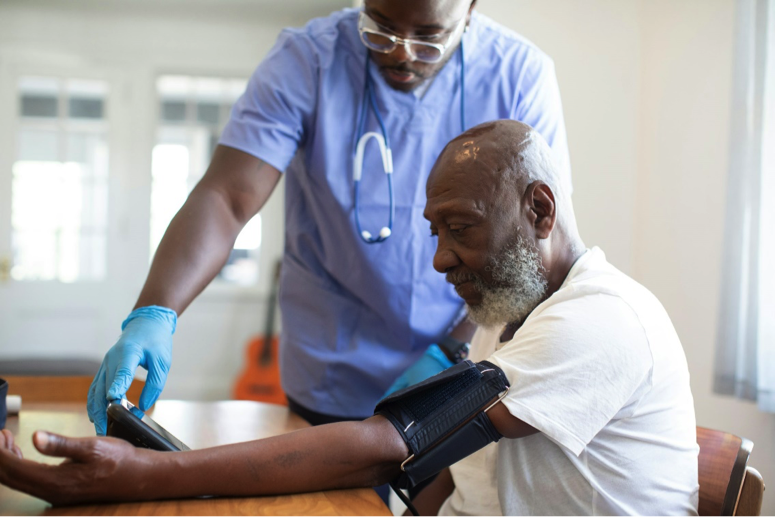
Something big’s happening in healthcare right now. Those cookie-cutter approaches where everyone gets the same treatment? They’re not working for people anymore, plain and simple. The shift toward personalized medical care marks a real departure from how things used to run – away from appointments that feel rushed and treatment plans that come off as totally impersonal. Where’s this coming from? Patients have gotten fed up with traditional models that make them feel more like case numbers than actual human beings with their own specific health situations.
Personalized medicine flips the script by putting individuals ahead of diagnoses. Every single patient walks through the door with different medical histories, distinct lifestyle patterns, and their own personal health goals.
The Rise of Direct Primary Care Services
Direct primary care is shaking things up as a solid alternative to how insurance-based medicine typically operates. The whole patient-provider dynamic gets restructured here. Insurance companies? Out of the equation, which means physicians can actually spend quality time during appointments without those ridiculous time restrictions boxing everything in. Here’s how it works: patients pay their physician a monthly membership fee directly, then get way better access – same-day appointments, next-day slots, longer visits, plus they can reach their doctor through calls, texts, even emails.
What makes this appealing? Two things mainly – accessibility and continuity. Health concerns don’t wait around for convenient moments. With direct primary care, patients skip those annoying phone mazes and weeks-long waits. They get straight through to a physician who’s already familiar with their medications, medical background, and all their health priorities. This relationship-first model lets people stay ahead of problems instead of just reacting when things go wrong. Looking for this kind of dedicated attention? Get in touch with a professional at Craft Concierge and schedule an appointment. That first consultation usually covers extensive health assessments, establishing baseline data, and setting up a real partnership moving forward.
Breaking Free from Assembly Line Medicine
Ever notice how traditional healthcare can feel like you’re on a conveyor belt? Efficiency gets prioritized over actually connecting with patients. Doctors end up managing crazy overbooked schedules, squeezing in 30-plus patients each day with appointments that last somewhere between seven and twelve minutes. Not much room there for genuine conversations about lifestyle choices, prevention tactics, or those vague symptoms that could signal something more serious is developing.
Personalized care tears this whole setup apart. Appointments stretch out – 30 minutes, 45 minutes, sometimes a full hour, depending on what’s needed. Doctors actually have space to really listen, dig deeper with their questions, and look at someone as a complete person instead of just focusing on whatever symptom brought them in. Why does spending more time matter so much? Better diagnostic accuracy, for starters. Providers can gather thorough information rather than rushing to conclusions based on fragments of data.
There’s a massive psychological component, too. Patients consistently report feeling heard, valued, and genuinely respected when their physician gives them full attention. That therapeutic relationship becomes healing in itself – anxiety drops, people stick with their treatment plans better. Trust develops when patients feel truly cared for, which means they’re way more likely to follow through on medical advice, show up for follow-ups, and be honest about whatever difficulties they’re facing.
Technology as an Enabler of Personalization
Modern tech has made personalized healthcare way more practical and effective than it used to be. Electronic health records let providers maintain detailed histories, spot emerging patterns, base decisions on comprehensive information rather than guesswork. Telemedicine platforms mean convenient check-ins happen without people needing to miss work or figure out complicated transportation arrangements.
Wearables and health apps track real-time information – sleep quality, how much someone’s moving around, heart rate patterns, tons of other metrics that shape personalized guidance. Doctors review all this between scheduled visits, catching worrying trends early and reaching out before things escalate instead of waiting until the next annual checkup rolls around. Healthcare stops being these separate, occasional visits and becomes more of a continuous partnership.
Genetic testing’s opened up a completely new territory for personalization. Tests reveal specific predispositions toward certain conditions, which guide prevention strategies tailored precisely to individual risk profiles. Generic screening recommendations? Those get replaced with customized surveillance based on someone’s actual genetic makeup.
Preventive Focus Over Reactive Treatment
Prevention sits at the core of personalized medicine’s long-term health philosophy. Why wait around for diseases to show up before addressing symptoms? This approach spots risk factors while they’re still manageable and puts specific interventions in place early. Physicians collaborate with patients on modifying diets, ramping up physical activity, handling stress better, improving sleep quality – all those foundation elements that determine where health trajectories actually head.
Focusing on prevention saves serious money down the line by sidestepping expensive emergency care, hospital stays, and managing chronic diseases that could’ve been avoided. Even more valuable though? It protects quality of life, helps people hold onto their energy and independence through aging. The whole emphasis shifts from just managing sickness to actually optimizing wellness – a philosophical change that really resonates with folks who’re tired of constantly feeling unwell and dependent on medications.
Patient Empowerment Through Education
Personalized care positions patients as active participants, not just passive listeners following orders. Providers dedicate time to explaining why they’re recommending certain things, breaking down how different choices impact health outcomes. This educational piece creates informed decision-making and builds up personal ownership over wellness.
Something powerful happens when patients truly understand connections between behaviors and symptoms. They transform into motivated partners managing their own care. Grasping why specific foods cause inflammation, how stress messes with blood pressure, and why sleep quality affects immune response – all that turns vague suggestions into concrete steps that actually mean something. Confusion gets replaced with knowledge. Passive agreement shifts into genuine engagement.
Education doesn’t stop when appointments end either. Lots of personalized care practices run workshops, maintain online resources, and organize group sessions that build deeper health literacy.
Other Articles You May Find of Interest...
- Recognizing Low Voltage QRS: Key Insights for Heart Health
- Effective Strategies for Managing a Thyroid Storm
- Are Apple Seeds Poisonous or Healthy for You?
- Buy Prescription Drugs Online
- What Does MPV in Your Blood Report Mean for Your Health?
- Why Connection Is Medicine: How Socializing Lowers Cortisol and Boosts Immunity
- Exploring the Impact of Type 2 Acromion on Shoulder Health




