






Your Health Magazine
4201 Northview Drive
Suite #102
Bowie, MD 20716
301-805-6805
More Family/Primary Care Articles
How Telehealth Is Changing the Way Patients Access Primary Care
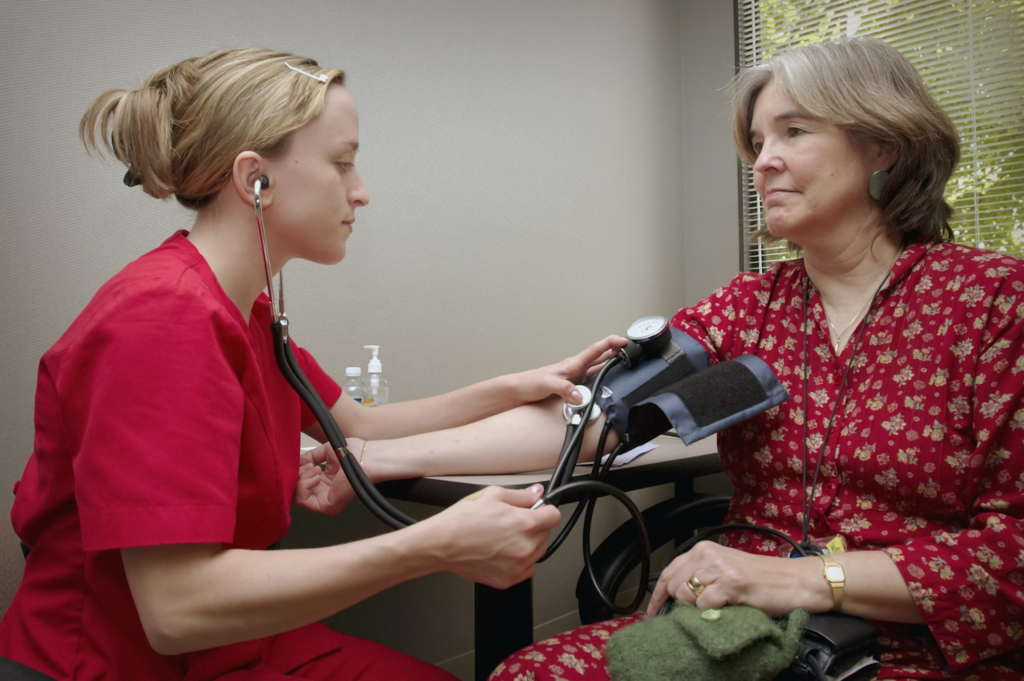
Getting an appointment with your doctor should not feel like a part-time job. But for many people, that is exactly what it has become. Between packed schedules, limited clinic hours, and wait times that stretch into weeks, it is no surprise that patients are looking for a better way to manage their health.
That is where telehealth comes in. What started as a temporary solution during the pandemic has turned into a permanent shift in how people connect with their doctors. Virtual consultations are now a normal part of everyday healthcare, and they are making primary care more accessible than ever before.
Let us take a closer look at how this shift is playing out and what it means for you.
The Growing Demand for Virtual Healthcare
Think about the last time you needed to see a doctor for something simple. Maybe it was a lingering cold, a prescription refill, or a medical certificate for work. How long did it take to get an appointment? If you are like most people, the answer is probably longer than you would have liked.
This frustration is one of the biggest reasons patients are turning to virtual care. Traditional clinics are often overbooked, and fitting an appointment into a busy workday is not always realistic. Add in the commute, the time spent in a waiting room, and the risk of picking up another illness while you are there, and it is easy to see why people are exploring alternatives.
What Is Driving Patients Away From Traditional Clinics
Several everyday challenges are pushing patients toward telehealth. Getting a same-day appointment at most clinics is nearly impossible. For working parents and professionals, taking hours off just to see a doctor for a minor issue feels like a waste. People in rural or remote areas face even bigger hurdles, sometimes driving long distances just for a quick consultation. And then there is the waiting room itself, where sitting among other sick patients is not exactly appealing.
These are not new problems, but now there is a new solution.
How Virtual Consultations Work in Practice
If you have never tried a telehealth appointment, the process is simpler than you might expect. Most platforms ask you to fill out a short online form with your details and a brief description of what you need help with. Within minutes, you receive a link to join a secure video call with a licensed doctor.
During the consultation, the doctor reviews your symptoms, asks about your medical history, and provides advice, just like they would in a physical clinic. The key difference is that everything happens from wherever you are, whether that is your couch, your office, or even a hotel room while travelling.
Common Services Available Through Telehealth
Once your consultation is done, any necessary documents are delivered straight to your phone or email. This includes electronic prescriptions that you can take to your preferred pharmacy, medical certificates for work or study leave, referrals to specialists, pathology labs, or radiology services, and mental health care plans and follow-up support.
For most routine healthcare needs, the entire process from booking to receiving your documents can take less than half an hour.
Why Patients Are Choosing Online Doctors for Everyday Health Needs
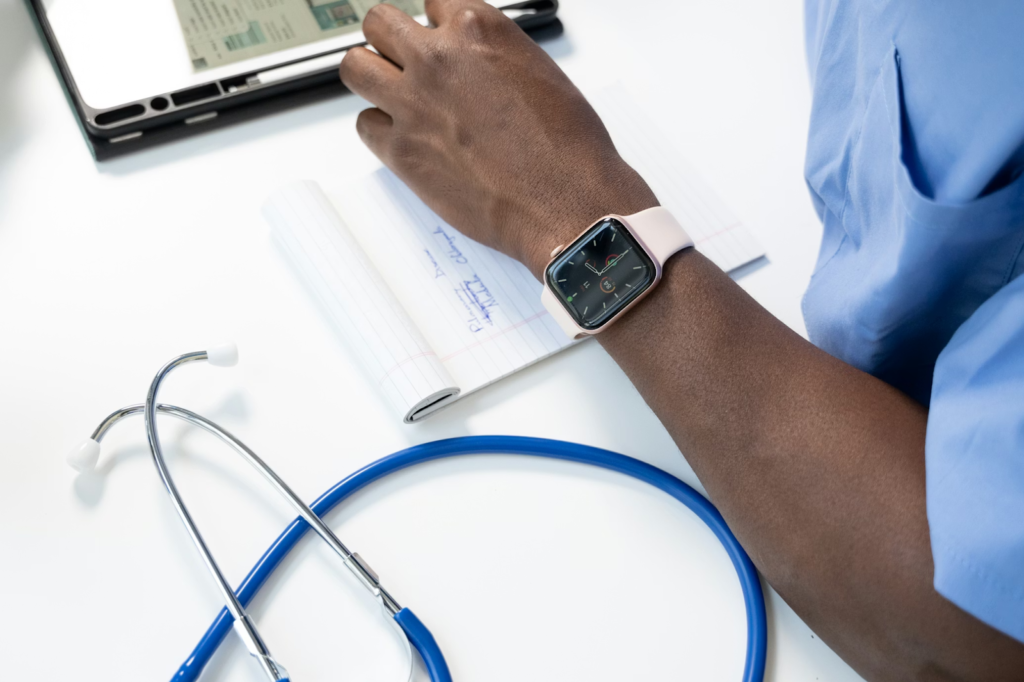
Convenience is the obvious draw, but it goes deeper than that. Virtual care removes several barriers that have traditionally made accessing a doctor difficult.
Speed is a major factor. Instead of waiting days or weeks for an available slot, many telehealth services connect you with a practitioner in under fifteen minutes. That is a game-changer when you wake up feeling unwell and need a script before the pharmacy closes. Platforms like Hola Health online doctor consultation services offer after-hours and 24/7 care across Australia. Hola Health 24/7 telehealth service is making this kind of quick access a reality, connecting patients with registered doctors via video call and delivering prescriptions and medical documents directly to their devices.
Cost is another consideration. Virtual consultations often come at a lower price point compared to traditional clinic visits. Some services even offer bulk billing or subsidised rates for eligible patients, which means you can get the care you need without stressing about the bill.
Then there is the flexibility. Unlike a typical GP clinic that closes at five, many telehealth providers operate around the clock. That means you can see a doctor on a Sunday evening, during a public holiday, or at two in the morning if you need to.
The Role of After-Hours and Weekend Availability
This round-the-clock access fills a gap that traditional primary care has struggled with for years. Think about those moments when you need medical attention outside of business hours. A sudden fever on a Saturday night, a prescription that ran out over a long weekend, or a medical certificate you need first thing Monday morning. Before telehealth, your options were limited to emergency rooms or waiting it out until the clinic opened.
Now, you can handle these situations from home in a matter of minutes with after hours doctor available all night. It does not replace emergency care for serious conditions, but for everyday health needs, it is a practical and reliable alternative.
Addressing Common Concerns About Telehealth Quality
It is completely natural to wonder whether a video call can really replace sitting across from a doctor in person. The short answer is that telehealth is not trying to replace in-person care entirely. It is designed to complement it.
For non-emergency situations like general health advice, follow-up appointments, repeat prescriptions, and referrals, virtual consultations provide the same standard of care you would receive at a clinic. Reputable telehealth platforms work exclusively with licensed and registered medical practitioners, so you are not sacrificing quality for convenience.
Privacy is another common concern. Trusted providers use encrypted platforms that meet healthcare data security standards, and all patient information is stored in compliance with relevant privacy regulations.
When to Choose Telehealth and When to Visit a Clinic in Person
Telehealth works best for situations that do not require a physical examination. General advice, medication management, mental health check-ins, and administrative needs like certificates and referrals are all well suited to virtual care.
If your condition involves physical symptoms that need hands-on assessment, diagnostic testing, or emergency treatment, an in-person visit is the better choice. A good telehealth doctor will always tell you if you need to see someone face to face.
What the Future of Primary Care Looks Like
Telehealth is still evolving, and the possibilities are exciting. We are already seeing integration with wearable health devices, smarter triage systems, and more seamless digital health records that make it easier for doctors to provide personalised care remotely.
Healthcare systems around the world are investing in virtual care infrastructure as a long-term strategy. The hybrid model, where patients use a mix of virtual and in-person visits depending on what they need, is quickly becoming the standard.
What matters most is that this shift puts more control in your hands. You get to decide when, where, and how you access care. And that is exactly how it should be.
Conclusion
Telehealth has moved far beyond a temporary convenience. It is now a core part of how people manage their everyday health. From faster access and lower costs to after-hours availability and digital document delivery, virtual consultations solve many of the pain points that have made traditional primary care frustrating for years.
If you have not explored telehealth yet, it might be worth giving it a try the next time you need a prescription, a medical certificate, or simply some professional health advice. The future of healthcare is more accessible and patient-friendly, and it is already here.
Frequently Asked Questions
Is a virtual consultation as effective as seeing a doctor in person? For many routine health needs such as general advice, prescriptions, medical certificates, and referrals, a virtual consultation delivers the same quality of care. The doctor assesses your symptoms, reviews your history, and recommends a treatment plan through a secure video call. If your condition requires a physical examination, the doctor will advise you to visit a clinic.
What do I need to prepare before a telehealth appointment? Make sure you have a stable internet connection and a device with a working camera and microphone. It helps to have your current medications, recent test results, and a summary of your symptoms ready. Choose a quiet and private space so you can speak freely with the doctor.
Can I get a prescription through an online doctor visit? Yes. If the doctor determines that medication is suitable for your condition, they can issue an electronic prescription that is sent directly to your phone or email. You can then have it filled at any pharmacy of your choice.
Is my personal health information safe during a telehealth consultation? Reputable telehealth providers use encrypted platforms and follow strict healthcare privacy standards to keep your data secure. Before using any service, it is a good idea to check that the platform works with registered and accredited medical practitioners and clearly outlines its privacy policies.
Other Articles You May Find of Interest...
- How Telehealth Is Changing the Way Patients Access Primary Care
- The True Cost of Concierge Medicine: What You Really Pay for
- What is the Normal Temperature Range for Adults?
- Decoding TSH Tests and Their Reflex to Free T4 for Better Thyroid Health
- What Does the NRBC Blood Test Reveal About Your Health?
- The Importance of Normal CSF Glucose Levels for Brain Health
- Why GP Clinics Are the Best Choice for Regular Health Screening in Singapore




