Advanced Chiropractic & Nutritional Healing Center
Suite 107
Frederick, MD 21704
240-651-1650
More Family/Primary Care Articles
High Cholesterol and Your Health
Blood cholesterol is a waxy, fat-like substance made by your liver. It is essential for good health. Your body needs cholesterol to perform important jobs, such as making hormones and digesting fatty foods. Unfortunately, cholesterol (plaque) can build up in arteries and as it builds up in the arteries, they begin to narrow, which lessens or blocks the flow of blood.
Does Fat Have an Effect On Cholesterol?
Your body makes all the blood cholesterol it needs, but there is also dietary cholesterol found in animal foods, including meat, seafood, poultry, eggs, and dairy products. For a food item to have dietary cholesterol, it would need to come from an animal or contain a product from an animal. However, vegetables also contain fat, such as polyunsaturated fat and monounsaturated fat, both of which can affect your cholesterol levels. Though these two fats are considered healthier than saturated fat, you still need to pay attention to your consumption.
Defining HDL, LDL and Triglycerides
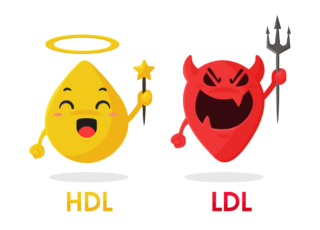
HDL cholesterol can be thought of as the “good” cholesterol. So, in the case of HDL cholesterol, higher levels are actually better. Experts believe that HDL acts as a scavenger, carrying LDL (bad) cholesterol away from the arteries and back to the liver, where the LDL is broken down and passed from the body. However, HDL cholesterol does not completely eliminate LDL cholesterol. It carries only one-third to one-fourth of blood cholesterol back to the liver. Experts agree that a healthy HDL cholesterol level may protect against heart attack and stroke. Studies show that low levels of HDL cholesterol increase the risk of heart disease.
If you have a high LDL level, this means that you have too much LDL cholesterol in your blood. This extra LDL, along with other substances, forms plaque. It contributes to fatty buildups in arteries (atherosclerosis). This condition narrows the arteries and increases the risk for heart attack, stroke and peripheral artery disease and since your blood carries oxygen to your heart, this means that your heart may not be able to get enough oxygen. This can cause angina (chest pain), or if the blood flow is completely blocked, a heart attack.
Like cholesterol, triglycerides are a type of blood fat. Triglycerides form when you eat more calories than you need. They store excess energy from your diet and they can supply energy to your muscles. When triglyceride levels are too high, they can put you at risk of a heart attack or stroke. They are the most common type of fat in the body. A high triglyceride level combined with high LDL (bad) cholesterol or low HDL (good) cholesterol is linked with fatty buildups within the artery walls, which increases the risk of heart attack and stroke.
Next month’s article will discuss lifestyle changes to help lower cholesterol.
Other Articles You May Find of Interest...
- What to Consider When Picking a New Primary Care Doctor You Trust
- 7 Tips for choosing a Primary Care Doctor
- Fever With Chills: Why the Body Shivers as Temperature Rises
- Why One-Roof Medical and Dental Care Is Catching On
- Why Does My Left Side Hurt When I Cough?
- General Practitioner: Everything You Need To Know About Them
- When the Emergency Room Isn’t Enough