






Your Health Magazine
4201 Northview Drive
Suite #102
Bowie, MD 20716
301-805-6805
More Family/Primary Care Articles
Essential Health Knowledge Every Australian Family Should Have
Taking Charge of Your Family’s Wellbeing
Health is not just about reacting to problems. It is about preventing them where possible and knowing how to respond when they arise.
Australian families today have access to more health information than any previous generation. Yet this abundance can feel overwhelming. What actually matters? Where should attention focus? What knowledge genuinely makes a difference?
The answer involves two complementary approaches. First, establishing relationships with healthcare providers who help maintain wellness over time. Second, developing practical knowledge for situations where professional help is not immediately available.
Both elements work together to keep families healthy and safe. Neither alone is sufficient.
This article explores what proactive family health looks like in practice, from routine preventive care to emergency preparedness that could save a life.
The Foundation of Preventive Care
Prevention remains the most effective health strategy. Problems caught early are almost always easier to address than problems left to develop. This principle applies across virtually every area of health.
Regular check-ups with general practitioners catch concerning trends before they become serious conditions. Screening tests identify issues that have no symptoms in early stages. Vaccinations prevent diseases that once devastated communities.
Yet some areas of preventive care receive less attention than they deserve. Dental health often falls into this category. Many Australians visit dentists only when something goes wrong, missing the opportunity for prevention that regular care provides.
This reactive approach costs more in the long run. Small cavities become root canals. Minor gum inflammation becomes periodontal disease. Problems that would have required simple interventions demand complex treatments.
Finding a dental practice that emphasises prevention makes a significant difference. Quality providers like Mt Gravatt dental clinics focus on maintaining oral health rather than just treating problems. Regular cleanings, examinations, and early interventions keep small issues from becoming major ones.
The connection between oral health and overall health has become increasingly clear through research. Gum disease links to heart disease, diabetes complications, and other systemic conditions. Caring for teeth and gums is not vanity. It is genuine health maintenance.
Children benefit particularly from establishing good dental relationships early. Positive experiences with dentists shape lifetime habits. Kids who view dental visits as normal, routine care grow into adults who maintain their oral health consistently.

Building Health Literacy at Home
Beyond professional care, health literacy within families provides ongoing protection. Understanding basic health principles helps families make better daily decisions about nutrition, exercise, sleep, and safety.
This knowledge does not require medical degrees. It requires attention to reliable information and willingness to learn practical skills.
Nutrition literacy helps families distinguish between genuine dietary guidance and fad claims. Exercise knowledge ensures physical activity happens safely and effectively. Sleep understanding helps everyone in the household get the rest they need.
Safety knowledge deserves particular emphasis. Knowing how to prevent common household injuries protects family members daily. Knowing how to respond when injuries occur can prevent minor incidents from becoming serious ones.
First aid training represents one of the most valuable investments families can make. Basic skills like wound care, burn treatment, and injury assessment prove useful surprisingly often. More advanced skills can prove lifesaving in genuine emergencies.
When Seconds Matter
Some emergencies require immediate response. Waiting for professional help, even with quick ambulance response times, may not be an option when critical minutes are ticking away.
Choking represents one such emergency. Airway obstruction can cause brain damage or death within minutes. Bystanders who know how to respond can save lives that would otherwise be lost.
This reality makes choking response knowledge essential for anyone who spends time around children, elderly individuals, or really anyone at all. Choking can happen to healthy adults eating regular meals. Nobody is immune.
Understanding choking first aid australia guidelines gives families the knowledge to respond effectively in these terrifying moments. Proper technique matters enormously. Well-meaning but incorrect responses can worsen situations or fail to clear obstructions.
The basics are learnable by anyone. Recognising choking signs, performing appropriate manoeuvres for different age groups, and knowing when techniques are working or need adjustment are all teachable skills.
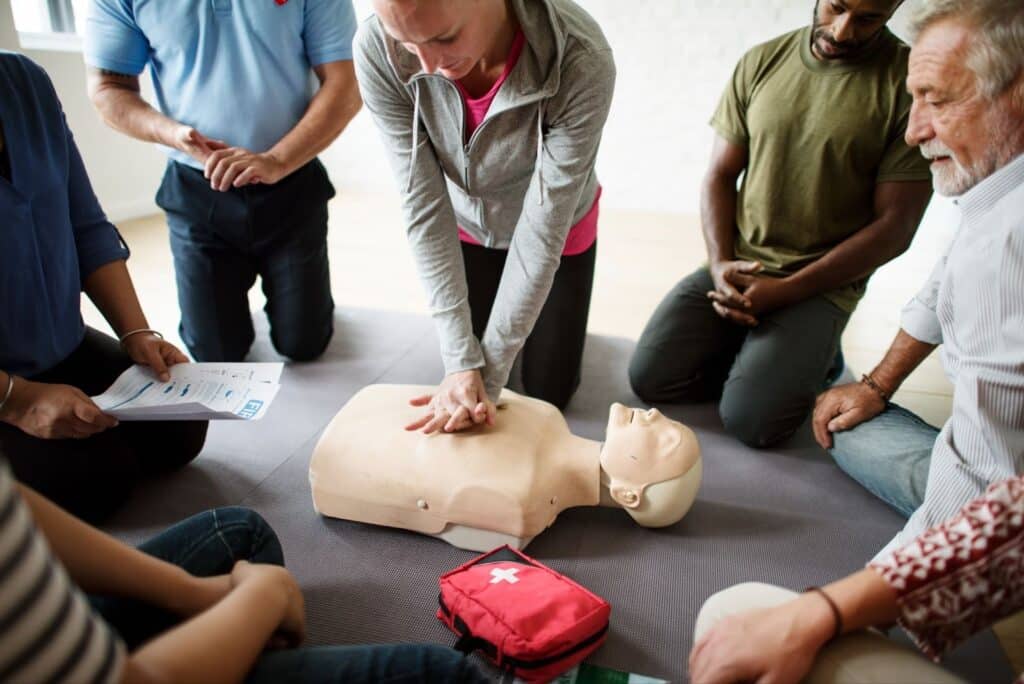
Children present particular choking risks due to their tendency to put objects in their mouths and their still-developing chewing abilities. Parents and caregivers of young children should consider choking response knowledge absolutely essential rather than optional.
Elderly individuals face elevated choking risks as well. Swallowing function can decline with age. Medications may cause dry mouth that affects food handling. Cognitive changes may affect eating behaviours. Those who care for older adults need this knowledge too.
Creating a Safety-Conscious Home
Beyond knowing how to respond to emergencies, families can take steps to prevent them from occurring. Home safety audits identify hazards before they cause injuries.
Kitchen safety deserves attention. This room contains heat sources, sharp objects, and slippery surfaces that combine to cause many household injuries. Safe practices around cooking, along with appropriate supervision of children in kitchens, prevent many incidents.
Food preparation practices affect choking risk. Cutting food into appropriate sizes for children, avoiding high-risk foods for very young kids, and encouraging mindful eating rather than rushed meals all reduce danger.
Bathroom safety matters particularly for elderly household members and young children. Non-slip surfaces, grab bars, and appropriate supervision prevent falls that can cause serious injury.
General household organisation affects safety too. Clear pathways prevent trips. Proper storage keeps dangerous items away from children. Good lighting allows hazards to be seen and avoided.
These measures require modest effort but provide significant protection. A few hours spent evaluating and improving home safety pays dividends for years.
The Preparedness Mindset
Safety-conscious families develop what might be called a preparedness mindset. They think ahead about what could go wrong and take reasonable steps to prevent problems or prepare responses.
This mindset does not mean living in fear. It means acknowledging reality and acting sensibly. Bad things sometimes happen despite our best efforts. Being prepared reduces both the likelihood and the consequences.
First aid kits stocked with appropriate supplies belong in every home. Knowing where they are and what they contain matters as much as having them. Checking expiration dates and replenishing used items keeps kits ready when needed.
Emergency contact information should be accessible to all household members. Children old enough to use phones should know how to call emergency services and what information to provide.
Family discussions about emergency procedures help everyone know what to do if various situations arise. Fire escape plans, meeting points, and communication strategies should be established before they are needed.
Balancing Vigilance and Living
All this focus on health and safety should not create anxiety that diminishes quality of life. The goal is enabling families to live fully with confidence, not to restrict activities out of excessive caution.
Prepared families actually have more freedom, not less. They can enjoy adventures knowing they have skills to handle problems that might arise. They can host gatherings without constant worry because they have taken reasonable precautions.
Children raised with appropriate health literacy and safety awareness develop into capable adults. They learn that preparation enables rather than restricts. They carry these lessons into their own families eventually.
The investment in health knowledge pays returns across generations.
Practical Next Steps
Families looking to strengthen their health preparedness can take several immediate actions.
Schedule overdue preventive appointments. Dental check-ups, medical examinations, and vision screenings that have been postponed should move onto calendars. Prevention works only when it actually happens.
Assess first aid knowledge honestly. If skills have lapsed or were never developed, training courses are widely available. Even refreshers for those with prior training help maintain competence.
Conduct a home safety review. Walk through living spaces with fresh eyes, looking for hazards that familiarity has rendered invisible. Address identified issues promptly.
Stock or restock first aid supplies. Ensure kits contain appropriate items and that household members know locations and contents.
Have family conversations about health and safety. Age-appropriate discussions help everyone understand their role in maintaining household wellbeing.
These steps require modest time and resources. Their potential impact is enormous.
Building Toward Better Health
Family health is not a destination but an ongoing journey. Each positive step builds on previous ones. Each piece of knowledge gained adds to family capability.
The combination of professional preventive care and personal preparedness creates resilient families. They face health challenges with resources already in place. They handle emergencies with competence rather than panic.
This combination serves Australian families well across all life stages. Young couples building households benefit. Parents protecting children benefit. Adult children caring for aging parents benefit. Everyone benefits.
The investment in health knowledge and preparation is among the best any family can make. The returns come in peace of mind, reduced suffering, and sometimes in lives saved.
That investment begins with recognising its importance. It continues with consistent action over time.
Your family’s health is worth that commitment.
Other Articles You May Find of Interest...
- Are Apple Seeds Poisonous or Healthy for You?
- Buy Prescription Drugs Online
- What Does MPV in Your Blood Report Mean for Your Health?
- Why Connection Is Medicine: How Socializing Lowers Cortisol and Boosts Immunity
- Exploring the Impact of Type 2 Acromion on Shoulder Health
- Is Online Telemedicine Safe? Understanding the Process
- Empowering Health Insights with Dr. Gina Sam M.D.




