Your Health Magazine Contributor
4201 Northview Drive
Suite 102
Bowie, MD 20716
More Emergency & Urgent Care Articles
Why the Most Expensive Part of an Ambulance Ride Isn’t Always the Ride
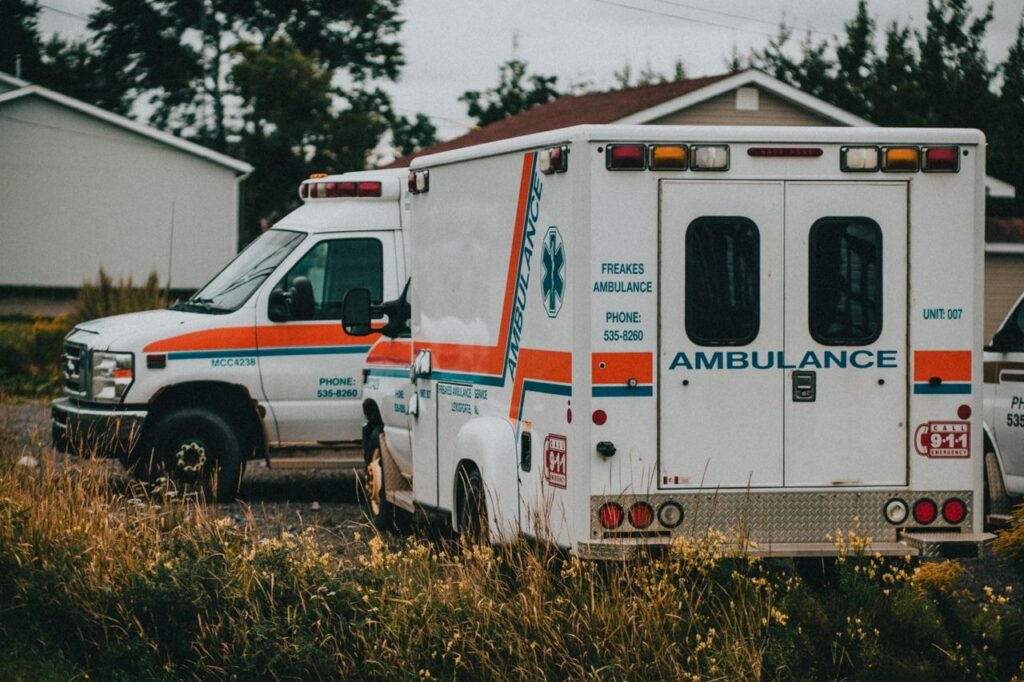
The trip took twelve minutes. Maybe five short miles from the front door to the emergency room. A few weeks later, the bill arrives, and the number on it looks like a whole month’s rent. It’s hard not to wonder how a short ride could possibly cost that much.
It feels like being charged for a limousine across the country. But the price of an ambulance trip has surprisingly little to do with the distance traveled. Most of what patients pay for happened long before the sirens ever started.
Behind every ambulance waiting at a station sits a large, expensive system designed to respond at a moment’s notice. Trained crews, specialized equipment, and vehicles ready around the clock all cost money, whether or not anyone needs them that particular day.
Why Ambulances Cost Money Even When They’re Not Moving
An ambulance isn’t just a vehicle with flashing lights. It’s essentially a mobile emergency room, stocked with cardiac monitors, oxygen, medications, airway equipment, and trauma supplies. All of that has to be purchased, maintained, restocked, and replaced regularly. Readiness isn’t cheap.
Ambulance cost reflects that entire readiness system, not just the miles driven. Paramedics and emergency medical technicians must be trained, certified, and paid for every shift, even quiet ones. Fuel, insurance, vehicle maintenance, dispatch systems, and stations add even more expense.
That’s why charges often include a base rate covering the response itself, plus mileage and sometimes supplies or specific treatments. The base rate tends to dominate the final bill. In other words, patients are largely paying for the fact that help arrived very quickly, fully staffed, and ready.
The Strange Economics of Being Ready for an Emergency
Emergency services face an unusual financial challenge. They have to be ready for the worst possible moment, like a multi-vehicle crash or a cardiac arrest, even though most hours bring far fewer calls. Readiness itself is really the product.
Think of it much like a fire department. Nobody wants firefighters sitting idle, but nobody wants them unavailable when a house is burning either. Ambulance services face the same tension, and the cost of staffing for peaks gets spread across the calls that actually happen.
Rural areas feel this strain especially hard. Long distances, fewer calls, and lower reimbursement rates can make it difficult to keep crews available. Some Kentucky providers have described operating with only a single 24-hour crew covering large areas, which shows how fragile that readiness can be.
Why Two Ambulance Trips Can Have Different Prices
Not all ambulance responses are exactly the same. Basic life support involves EMTs providing care like oxygen, splinting, and monitoring. Advanced life support involves paramedics who may start IVs, administer medications, or manage cardiac rhythms, which typically costs more.
Mileage adds up differently depending on where someone lives and which hospital they’re taken to. Supplies and interventions used during the trip, like medications or advanced airway procedures, may also affect the final bill. Every call has its own mix of needs.
Who provides the service matters too. Ambulances may be run by local governments, fire departments, hospitals, or private companies, and billing practices can vary significantly between them. Two people with similar emergencies in neighboring areas may receive noticeably different bills for reasons that have little to do with distance.
How Insurance Can Change What Patients Actually Pay
Health insurance usually covers emergency ambulance services when they’re medically necessary, but patients may still owe deductibles, copays, or coinsurance. How much depends heavily on the specific plan and whether the ambulance provider is in network. Plans vary widely.
Network status can be a big deal. The federal No Surprises Act protects patients from many surprise bills, including air ambulance services, but it doesn’t currently cover ground ambulances. That leaves room for balance billing when a ground provider is out of network.
Kentucky lawmakers have considered bills that would limit balance billing for emergency ground ambulance services and set reimbursement standards, but those proposals hadn’t become law as of the 2026 session. Patients who receive unexpected bills can often ask for itemized statements, appeal insurance decisions, or negotiate payment arrangements.
Conclusion
A short ambulance ride can produce a surprisingly large bill, but the distance traveled is usually only a small part of the story. Most of the cost reflects the system that made the response possible in the first place. Readiness drives the price.
Trained crews, advanced medical equipment, round-the-clock readiness, and the level of care provided all shape what an ambulance trip costs. Provider type, location, and the services delivered during the ride can make similar trips look very different on paper. No two trips are identical.
Insurance coverage and billing rules then determine how much of that cost lands on the patient. Knowing how those pieces fit together can help people ask better questions, review bills carefully, and push back when charges don’t make sense. Questions are worth asking.
Other Articles You May Find of Interest...
- Why the Most Expensive Part of an Ambulance Ride Isn’t Always the Ride
- 5 Medical Concerns After a Car Accident Causes Chest Trauma
- First Aid for a Cat Bite and When to Seek Care
- When to Go to the ER vs. Urgent Care: A Simple Guide Most People Get Wrong
- Vomiting With Shaking: Dehydration, Infection, and Emergency Signs
- Clavicular Retractions: A Breathing Sign Not to Miss
- What to Do in the First Five Minutes of a Medical Emergency