






Your Health Magazine
4201 Northview Drive
Suite #102
Bowie, MD 20716
301-805-6805
More Emergency & Urgent Care Articles
When Should You Go to a 24-Hour Emergency Room Instead of Urgent Care?
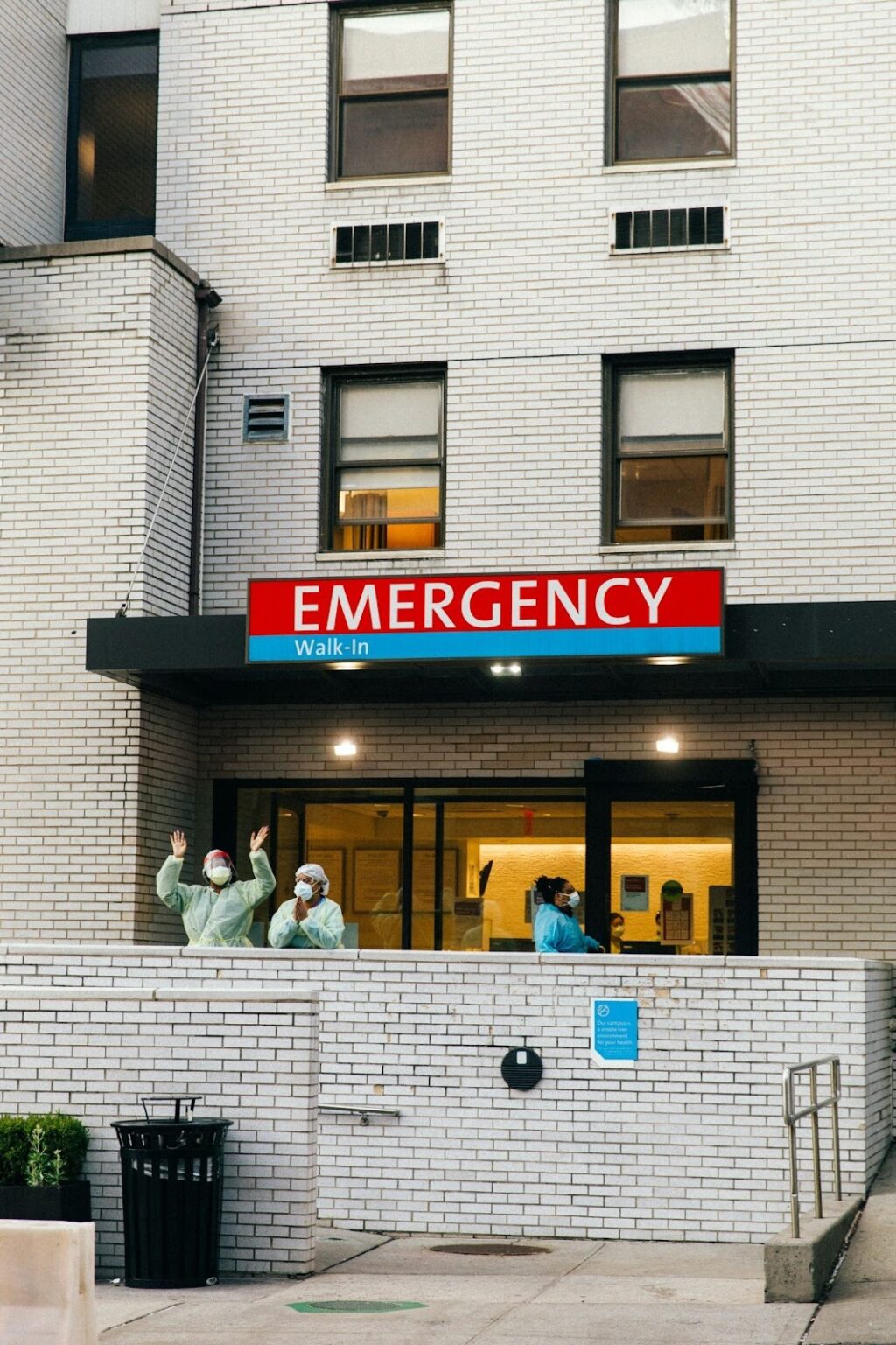
It’s a question most of us have asked at least once. You wake up with crushing chest pain, your child spikes a high fever at midnight, or you twist your ankle during a weekend game and can barely walk. Do you head to urgent care, or is this something more serious?
Making the right choice can save time, money, and in some cases, your life. Health authorities offer clear guidance: life-threatening symptoms require immediate emergency care. Less severe but still pressing concerns can often be handled at urgent care. Here’s what to know before you decide.
The Basic Difference: Emergency Room vs. Urgent Care
An emergency department, or a 24-hour emergency room is designed to treat serious, potentially life-threatening conditions. These facilities are open 24/7 and staffed by physicians trained in emergency medicine. They have access to advanced imaging, lab testing, IV medications, and specialist consultation when needed.
Some communities also have a freestanding emergency room, which functions like a hospital-based ER but is located separately from a hospital campus. These facilities are licensed as emergency departments and are equipped to stabilize and treat serious medical emergencies.
Urgent care clinics, on the other hand, focus on non-life-threatening conditions that still need prompt attention. They often offer walk-in care for minor injuries, infections, or mild illnesses. Many have extended evening or weekend hours but are not open around the clock. The key difference is severity. If symptoms could threaten life, limb, or long-term health, emergency care is the safest choice.
Go to a 24-Hour Emergency Room for These Symptoms
If you experience any of the following, seek emergency care immediately. Call 911 if you cannot safely transport yourself.
Chest Pain or Signs of a Heart Attack
Chest pain lasting more than two minutes, especially if it feels like pressure or tightness, should never be ignored. Warning signs may include:
- Chest or upper abdominal pain or pressure
- Pain spreading to the arm, neck, jaw, or back
- Shortness of breath
- Sweating, nausea, or lightheadedness
Getting a quick medical evaluation is very important if you want to limit heart damage and improve positive outcomes.
Stroke Symptoms
You can recognize the signs of stroke using the FAST method:
- Face drooping
- Arm weakness
- Speech difficulty
- Time to call 911
Other red flags include sudden confusion, vision changes, severe dizziness, or a sudden severe headache. These symptoms require immediate emergency evaluation.
Severe Difficulty Breathing
Shortness of breath is more than just feeling winded, it might be a sign of something more severe. Go to the ER if you notice:
- Labored breathing
- Inability to speak full sentences
- Wheezing that does not improve
- Bluish lips or skin
Breathing problems can quickly become life-threatening, especially in children, older adults, or those with asthma or heart disease.
High Fever in Infants
A fever in a baby under three months old is considered an emergency. Pediatric experts recommend immediate evaluation because infants can deteriorate quickly. For older children and adults, a fever that will not break, is accompanied by severe lethargy, stiff neck, or difficulty breathing, also warrants emergency care.
Serious Abdominal Pain
Not all stomach pain is an emergency. However, sudden, intense abdominal pain, especially if it comes with vomiting, fever, fainting, or a rigid abdomen, should be evaluated in an ER. Severe abdominal pain can signal conditions such as appendicitis, bowel obstruction, internal bleeding, or other serious illnesses that require imaging and urgent treatment.
Extreme Bleeding or Deep Wounds
Uncontrolled bleeding, deep lacerations, or wounds where bone is visible require emergency care. Signs you should not delay include:
- Bleeding that does not stop after 10 minutes of steady pressure
- Spurting blood
- Large or gaping wounds
- Signs of shock, such as pale skin, rapid pulse, and weakness.
Emergency departments can provide advanced wound care, surgical intervention, and blood transfusions if needed.
Broken Bones and Head Injuries
A simple sprain can often be handled at urgent care, but certain injuries demand emergency attention. Go to the ER if you notice:
- Bone protruding through the skin
- Severe deformity
- Loss of consciousness
- Repeated vomiting after a head injury
- Confusion or behavior changes
Head injuries can be especially dangerous. Some symptoms may not appear immediately, so it’s better to err on the side of caution.
When Urgent Care is Usually Enough
Photo by camilo jimenez on Unsplash
Urgent care clinics are appropriate for conditions that need same-day attention but are not life-threatening. Examples include:
- Minor cuts that may require stitches
- Sprains or strains
- Mild asthma symptoms
- Ear infections
- Sore throat or suspected strep
- Mild to moderate fever (in children over 3 months)
- Minor burns
- Urinary tract infections
Many urgent care centers can perform X-rays, rapid tests, and prescribe medications. If they determine you need higher-level care, they can refer you to an emergency department.
What If You’re Still Not Sure?
This is where many people hesitate: you don’t want to overreact, but you don’t want to take a risk either. There is a clear rule here: if you believe your condition may be life-threatening, go to the emergency department. If you cannot safely move yourself without causing further harm, call 911.
Primary care offices often have on-call nurses who can advise you after hours. Telehealth visits can also help determine next steps for non-emergency concerns. However, telemedicine is not appropriate for severe or rapidly worsening symptoms. When in doubt, it’s best to choose safety.
Understanding Freestanding Emergency Rooms
You may see a freestanding emergency room in your neighborhood. These facilities are state-licensed emergency departments that operate independently from hospital campuses. They are staffed with emergency-trained physicians and typically provide:
- 24/7 services
- On-site labs
- Digital imaging such as CT scans and X-rays
- IV medications and monitoring
Like hospital ERs, they are equipped to treat serious medical emergencies. Patients should verify insurance coverage and billing policies before visiting, as costs may differ from urgent care clinics.
Endnote
It’s not always easy to decide where to go when you’re sick or injured. Minor illnesses, mild infections, and simple injuries usually belong at urgent care. However, chest pain, stroke symptoms, breathing trouble, severe pain, high fever in young infants, major injuries, or uncontrolled bleeding belong in the emergency department.
If you feel systemically ill, if something suddenly doesn’t work, or if your instincts tell you something is very wrong, seek emergency care. The safest rule is this: when symptoms could threaten life or long-term health, don’t wait. Prompt evaluation in a 24-hour emergency room can truly save your life.
Other Articles You May Find of Interest...
- Clonidine Dosage Guidelines for Managing Emergency Hypertension
- Effective Remedies for Treating a Scorpion Sting
- Recognizing Agonal Breathing: A Critical Sign of Medical Emergency
- Can You Receive a Bill Later from Urgent Care if You Don’t Have Insurance?
- Recognizing the Signs of Alcohol Poisoning: Are You at Risk?
- Affordable STD Testing Options at Urgent Care Without Insurance?
- Can Urgent Care Provide Stitches for Your Wounds?




