






Your Health Magazine
4201 Northview Drive
Suite #102
Bowie, MD 20716
301-805-6805
More Dental Health Articles
Why Oral Health Plays a Bigger Role in Overall Wellness Than Most People Realize
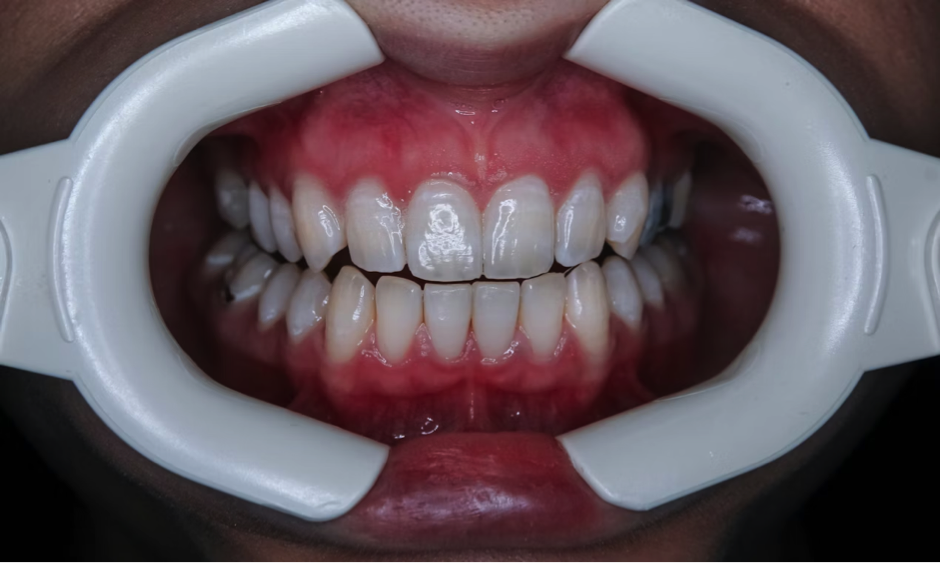
Oral health is often treated as a separate category from general healthcare, but this division overlooks how closely the mouth is connected to the rest of the body. The condition of your teeth and gums can influence everything from inflammation levels to nutritional absorption and even emotional wellbeing. Understanding this connection helps explain why practices like routine dental care and preventive treatment, supported by providers such as https://newmedental.com/, are increasingly viewed as part of a whole-body wellness approach.
The Mouth as a Gateway to the Body
The mouth is one of the main entry points into the body, making it a critical first line of defense against bacteria and infection. When oral health is compromised, harmful bacteria can enter the bloodstream, contributing to systemic inflammation. This process can strain the immune system and affect overall health over time.
Healthy gums and teeth help maintain balance within the body by reducing chronic inflammatory responses. Inflammation that begins in the mouth does not stay localized and can influence organs and systems elsewhere. This is why oral health is now recognized as an important indicator of broader physical wellbeing.
Oral Health and Chronic Conditions
Research continues to highlight links between oral health and chronic conditions such as cardiovascular disease and diabetes. Gum disease, in particular, has been associated with increased inflammation that may worsen existing health issues. These connections show that oral care is not isolated from the management of long-term illnesses.
Managing oral health can support the body’s ability to regulate blood sugar levels and reduce strain on the heart. Preventive dental care becomes a proactive step in protecting overall health rather than a reactive measure. This perspective shifts dental visits from optional maintenance to essential wellness care.
The Role of Oral Health in Nutrition and Digestion
Teeth and gums play a direct role in how effectively the body processes nutrients. Pain, sensitivity, or missing teeth can limit food choices and reduce dietary variety. Over time, this can lead to nutritional gaps that affect energy levels and immune function.
Proper chewing is the first step in digestion, setting the stage for nutrient absorption. When oral health is neglected, digestion can become less efficient, placing extra stress on the digestive system. Supporting oral function therefore, supports nutritional health and metabolic balance.
Mental and Emotional Wellbeing Connections
Oral health also affects confidence, self-image, and social comfort. Discomfort or embarrassment related to dental issues can influence how people interact with others and how they feel about themselves. This emotional impact is often underestimated but can be significant over time.
Chronic oral pain or ongoing dental problems may also contribute to stress and anxiety. Stress, in turn, can worsen oral conditions through habits like teeth grinding or neglecting care routines. Addressing oral health supports emotional stability as much as physical comfort.
Preventive Care as a Wellness Strategy
Preventive dental care focuses on identifying potential issues before they escalate into larger health concerns. Regular checkups help detect gum disease, infections, and structural problems early. Early intervention reduces the likelihood of complications that may affect overall health.
This proactive approach aligns closely with modern wellness philosophies. Rather than waiting for symptoms to disrupt daily life, preventive care supports long-term balance and resilience. Oral health maintenance becomes part of a broader commitment to sustainable wellbeing.
The Long-Term Impact of Oral Health Choices
Daily oral care habits accumulate effects over time, influencing health outcomes later in life. Consistent hygiene practices and professional care reduce the risk of chronic inflammation and infection. These benefits extend beyond the mouth and support healthier aging.
Small, routine actions often have the greatest long-term impact. Choosing to prioritize oral health helps maintain physical comfort, emotional confidence, and systemic balance. This long-term perspective reframes oral care as an investment in overall quality of life.
In conclusion, oral health plays a far more influential role in overall wellness than many people realize. The mouth is deeply connected to physical systems, emotional wellbeing, and long-term health outcomes. By recognizing oral care as an essential part of whole-body wellness, individuals can make more informed choices that support lasting health and balance.
Other Articles You May Find of Interest...
- A Confident Smile Starts With Orthodontic Treatment
- Teething Troubles
- What Causes a Sore Bump on Your Lip That Isn’t a Cold Sore?
- How to Know If You Have a Cavity
- DMD vs DDS: What’s the Best Degree for Your Dental Career?
- Canker Sore vs Cold Sore: What’s the Difference and How to Treat Them?
- Is Your Tongue White and Hairy? Discover the Causes and Solutions




