






More Dental Health Articles
When Is It Safe to Use a Straw After Wisdom Teeth Removal?
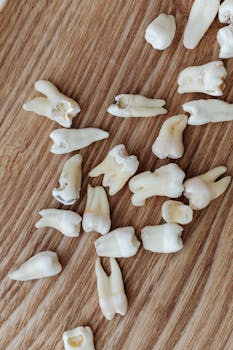
After wisdom teeth removal, many patients wonder about aspects of post-operative care, one common question being: when can you use a straw after wisdom teeth removal? Understanding the timing and precautions surrounding the use of straws can greatly impact your recovery process and help prevent complications.
When Can You Use a Straw After Wisdom Teeth Removal?
Following oral surgery, such as wisdom teeth removal, dentists typically advise against using straws. This is primarily due to the suction action created when drinking through a straw, which can dislodge the blood clot from the extraction site. This can lead to a painful condition known as dry socket. Dry socket not only extends the healing time but also intensifies discomfort.
Most dental professionals suggest avoiding straw usage for at least a week after surgery. Depending on your recovery and your dentist’s evaluation, further restrictions or allowances may be made. Prioritize following the guidance provided by your oral surgeon or dentist, as individual recovery times can vary based on personal health and the complexity of the extraction.
Why Should You Avoid Using a Straw?
The action of sucking when using a straw creates negative pressure in the mouth, which can have unintended consequences post-surgery. By dislodging the healing clot, it exposes the sensitive nerves and bone beneath, prolonging healing and pain.
In addition, straw usage can cause bleeding to reinitiate by upsetting the wound site. This further delays the recovery process and can be distressing for patients. Given these potential issues, it’s best to sip beverages directly from a glass to avoid such adverse outcomes.
Best Practices for a Speedy Recovery
In addition to avoiding straws, consider these guidelines to ensure a smooth recovery:
- Rest adequately and avoid strenuous activities to promote healing.
- Stick to soft foods and liquids in the first few days post-surgery.
- Avoid smoking as it can interfere with the healing process.
- Maintain oral hygiene by gently rinsing with salt water to keep the mouth clean.
By adhering to these practices, you help foster an environment conducive to healing and reduce the risk of complications like infection or dry socket.
Signs of Complications
Though most recoveries proceed without issue, it’s essential to be aware of the signs that may indicate complications. Severe pain, bad breath, or an unusual taste in the mouth can suggest an issue like dry socket or infection. Should you notice these symptoms, contact your dentist promptly for an evaluation.
Moreover, swelling that worsens after the initial post-operative days or any fever accompanying the pain should be addressed by a healthcare professional. It’s better to err on the side of caution when monitoring post-surgical changes.
How to Ensure Long-Term Dental Health
Post-recovery, maintaining oral hygiene is essential for long-term dental health. Regular brushing, flossing, and dental visits help keep your mouth healthy. If you experience any jaw discomfort or clicking sounds, you may find related information in our article on TMD from a Woman’s Perspective.
Ultimately, the decisions you make during your recovery period lay the foundation for oral health moving forward. Continue keeping hydration levels high with safe drinking methods, along with good dietary practices to ensure your overall health remains strong.
More Information About Dental Surgery Recovery
If you want to explore more comprehensive guides on oral surgery recovery, the Wikipedia page on Health provides valuable insights into this and related topics. This can be a beneficial resource for answering additional queries beyond what your surgeon or dentist may have provided.
Knowing when can you use a straw after wisdom teeth removal is just one aspect of your healing journey. Ensuring a safe recovery involves understanding why certain precautions are necessary, adhering to recovery protocols, and seeking timely advice from healthcare professionals as needed.
- Avoid straw usage for at least one week after extraction.
- Dislodging of the clot by suction can lead to dry socket.
- Follow your surgeon’s post-operative care instructions diligently.
- Seek medical advice if experiencing severe pain or unusual symptoms.
- Maintain regular oral hygiene for long-term dental health.
What is dry socket and why is it a concern?
Dry socket occurs when the blood clot that forms after tooth extraction is dislodged or dissolves before the wound has a chance to heal, exposing underlying nerves and bone. This can lead to significant pain and delay the healing process.
How can I prevent a dry socket?
Preventing dry socket involves careful adherence to post-operative care instructions, such as avoiding using straws, not smoking, and following dietary recommendations. Rinsing your mouth with salt water and avoiding strenuous activities can also help.
Are there other drinks or methods to avoid post-surgery?
Yes, besides straws, it is advisable to steer clear of carbonated drinks and alcohol during the recovery period. These can cause irritation to the extraction site and adversely affect healing.
When should I contact my dentist after wisdom teeth removal?
Contact your dentist if you experience severe pain that cannot be managed with prescribed medications, signs of infection such as pus or swelling, or if there is persistent bleeding from the extraction site.
Is using a straw safe after other types of dental work?
The safety of using a straw depends on the type of dental work performed. Always consult with your dentist or oral surgeon for personalized instructions, as they will provide guidance based on the specifics of your procedure.



