






Your Health Magazine Contributor
4201 Northview Drive
Suite 102
Bowie, MD 20716
More Dental Health Articles
What Your Dentist Wishes You Knew About Daily Oral Care
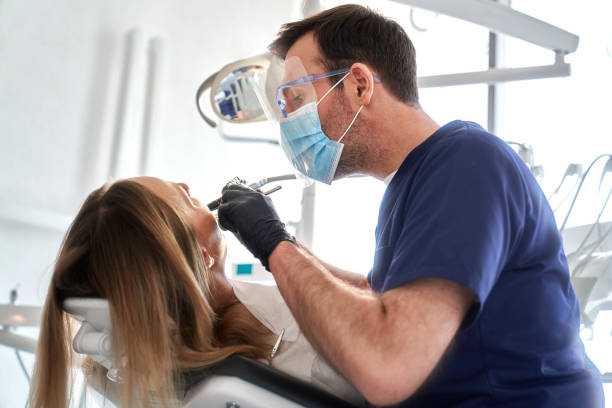
Daily oral care is simple, but small habits make a big difference. Rushed brushing, not flossing, and gradual damage to teeth and gums are common issues that dentists often encounter due to preventable issues.
Brush Longer Than You Think
Many people brush for less than a minute, but the American Dental Association recommends brushing for at least two minutes, twice a day, with fluoride toothpaste. Pay attention to the front, back, and chewing surfaces of all of your teeth and clean the gumline gently where plaque tends to accumulate.
Brushing harder does not mean brushing better. Soft-bristled toothbrushes gently clean teeth without harming the enamel and gums with hard brushing.
Clean Between Your Teeth Every Day
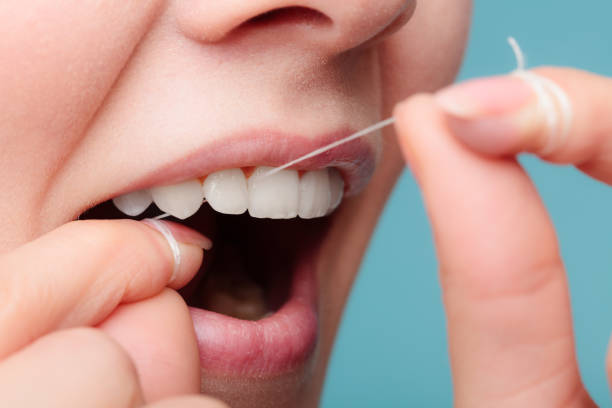
The spaces between the teeth can’t be reached by a toothbrush. That’s why it’s important to floss your teeth every day. Flossing can catch and remove food trapped between teeth and gums that can cause cavities, bad breath, and gum disease.
If traditional floss feels difficult, try a floss pick or interdental brush. The most important tool to use is the one that you will use! A Dentist Joliet can also demonstrate the proper method of cleaning around the gum line, which will not cause injury to the sensitive areas.
Do Not Skip Fluoride
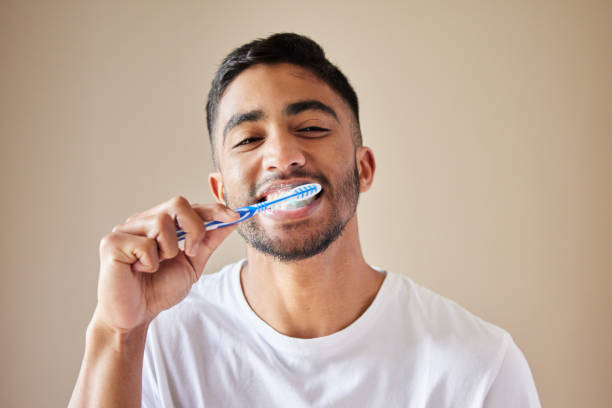
Don’t forget fluoride for adults! It hardens enamel and aids in protecting teeth against decay at any age. Brushing with fluoride toothpaste and drinking fluoridated water are two easy ways to support stronger teeth.
Ask your dentist if you can use a fluoride rinse or in-office treatment if you are more prone to cavities. Preventing a cavity is typically more comfortable, more convenient, and more affordable than the treatment of a cavity once it is developed.
Watch Your Sugar Timing
Sugary snacks and drinks feed the bacteria that produce cavity-causing acids. The Centers for Disease Control and Prevention (CDC) suggest that you restrict your intake of foods and drinks with added sugar to maintain your oral health.
You don’t need to eliminate all of the treats. Instead, have sweets at meal times and not all day long. Washing it down with drinking water after will also help to wash away food particles and sugar.
Pay Attention to Bleeding Gums
Bleeding gums are often easy to ignore, particularly if it occurs while flossing. Bleeding, however, may be the first symptom of gum disease that results from a buildup of plaque. Do not stop flossing; clean gently and consistently, and let your dentist know if the bleeding continues.
Healthy gums are firm, not swollen, red, or tender. Early gum disease can be treated with improved daily care and periodic dental cleanings.
Keep Up With Dental Visits
Home care is vital but will not solve the problem of hardened plaque or be able to detect the issue below the gumline. Regular checkups and cleanings help catch small issues before they become painful or costly.
A regular checkup also allows your dentist to examine your brushing habits, discuss your sensitivity, and suggest tips and treatments if needed. Preventive dental care is one of the most practical ways to protect your natural smile for the long term.
Protect Your Teeth at Night
Teeth grinding can cause jaw pain, headaches, tooth sensitivity, or worn and flattened teeth. Over time, frequent or severe grinding can damage teeth and contribute to jaw discomfort. A dentist can examine you for signs of grinding and may recommend a custom night guard to help protect your teeth if appropriate.
Do not use your teeth to open packages or chew on hard foods. These habits may seem harmless, but they can cause chips and cracks that require restorative treatment.
Conclusion
Your dentist would like you to understand that it is not perfection that leads to healthy teeth; it is constant, daily routines. Brush well, floss every day, use fluoride products, avoid too many sugary foods and get regular check-ups. Small actions repeated every day can keep your smile healthy, comfortable, and strong for years.
Other Articles You May Find of Interest...
- Dentists to Compare in Burke and Northern Virginia
- Dental-Care Options for Adults Over 40 in Northern Virginia
- How a Full Smile Can Restore Your Confidence
- What Happens During a Same Day Dental Crown Appointment?
- How to Compare Toothpaste for Sensitive Teeth: Four Formula Examples
- Understanding Amalgam Restorations
- Searching for a Kids Dentist Near Me? What Parents Should Look For





