More Dental Health Articles
What to Do During a Dental Emergency in Lakewood

A knocked-out tooth has roughly a 90% chance of successful reimplantation if treatment begins within 30 minutes, according to the American Dental Association’s 2024 emergency care guidelines — but that window shrinks dramatically with each passing hour. In Lakewood’s growing suburban landscape, where the nearest emergency dental facility might be 15 minutes away during rush hour, those critical early moments often determine whether a dental crisis becomes a manageable repair or a permanent loss.
The reality facing Lakewood families has shifted considerably in recent years. As the community continues expanding westward from Denver, dental emergency resources have struggled to keep pace with population growth, while insurance networks have become increasingly restrictive about after-hours coverage. What used to be a straightforward call to your family dentist now requires navigating emergency clinic availability, insurance pre-authorizations, and treatment costs that can escalate quickly without proper preparation.
For anyone facing a dental emergency — whether it’s a child’s sports injury, an adult’s cracked crown during dinner, or sudden severe pain at 2 AM — the difference between panic and informed action often determines both the immediate outcome and long-term consequences. Understanding how to respond effectively in those first crucial minutes, while managing pain and preventing further damage, can preserve both your oral health and your budget.
Why Timely Response Matters in a Dental Emergency
The biological clock starts ticking the moment dental trauma occurs, and unlike other medical emergencies where stabilization buys time, dental tissues have particularly unforgiving timelines. When a tooth gets knocked out, the root surface begins dying within 15 minutes of losing its blood supply. The periodontal ligament fibers that anchor the tooth to the jawbone start deteriorating, and by the two-hour mark, successful reimplantation becomes statistically unlikely even with perfect technique.
But timing matters for reasons beyond just saving the tooth itself. Untreated dental emergencies create cascading problems that compound rapidly. A cracked tooth that seems manageable on Friday evening can develop a serious infection by Monday morning, potentially spreading to surrounding tissues or even entering the bloodstream. What starts as a $200 emergency filling can evolve into a $3,000 root canal and crown procedure, or worse, extraction and implant replacement costing upwards of $5,000.
In Lakewood’s specific context, the healthcare infrastructure adds another layer of urgency. The community’s rapid growth means emergency dental availability varies significantly by location and time. Residents in newer developments near Belmar or the Federal Center area often find themselves farther from 24-hour dental services than those closer to established medical corridors. Weekend and holiday coverage becomes particularly challenging, with some practices referring emergency cases to Denver hospitals — where dental emergencies compete with trauma cases for attention and the costs increase substantially.
Insurance considerations compound the timing pressure. Most dental insurance plans have specific emergency protocols and pre-authorization requirements that become more restrictive outside normal business hours. Delay can mean the difference between covered emergency treatment and out-of-pocket expenses that strain family budgets. Additionally, many Lakewood employers offer dental benefits through regional networks that prioritize quick response times for cost containment — another factor that rewards immediate, informed action over delayed decision-making.
How to Recognize Emergency Signs and Urgency Levels
The challenge most people face isn’t identifying obvious emergencies like knocked-out teeth — it’s distinguishing between situations that need immediate attention and those that can wait for regular office hours. This differentiation becomes critical in Lakewood, where after-hours emergency care often costs significantly more and requires traveling to limited facilities.
Urgent vs Non-Urgent Dental Issues
True dental emergencies require immediate professional intervention, typically within hours rather than days. These include any situation involving uncontrolled bleeding, signs of facial swelling that could indicate spreading infection, or trauma affecting multiple teeth. Knocked-out permanent teeth, partially dislodged teeth hanging by tissue, or fractures exposing the tooth’s nerve all demand urgent care because the window for successful treatment closes rapidly.
Severe, constant pain that doesn’t respond to over-the-counter medication also signals an emergency, particularly when accompanied by fever, facial swelling, or difficulty swallowing. These symptoms can indicate serious infection that may spread to other parts of the body. Additionally, any injury to soft tissues — gums, lips, or tongue — that won’t stop bleeding after 15 minutes of direct pressure requires immediate attention.
Non-urgent issues, while uncomfortable, can typically wait for regular business hours with proper management. Minor chips without pain, lost fillings or crowns that aren’t causing severe discomfort, or mild toothaches that respond to pain medication and aren’t accompanied by swelling usually fall into this category. Food stuck between teeth, while annoying, rarely constitutes an emergency unless it’s causing tissue damage or severe pain.
Common Emergency Symptoms to Watch For
Pain patterns often provide the clearest indication of emergency status. Sharp, stabbing pain that radiates to the jaw, ear, or neck typically indicates nerve involvement requiring immediate attention. Throbbing pain that worsens when lying down, especially when accompanied by sensitivity to temperature changes, often signals infection or deep decay that won’t resolve without professional treatment.
Swelling presents particularly concerning warning signs. Facial swelling, especially around the eyes or extending to the neck, can indicate serious infection spreading through tissue planes. Even localized swelling around a specific tooth, when accompanied by fever or general malaise, suggests bacterial infection that may require antibiotic treatment alongside dental procedures. Any swelling that affects breathing or swallowing constitutes a medical emergency requiring immediate hospital attention rather than dental clinic care.
Visual signs also help distinguish emergency from routine issues. Visible cracks extending below the gum line, teeth that appear longer than usual (indicating movement), or areas of the gum that appear unusually dark or discolored all warrant immediate professional evaluation. Similarly, any dental work that has completely dislodged — not just loosened — typically requires emergency replacement to prevent further complications.
Immediate Steps to Take During a Dental Emergency
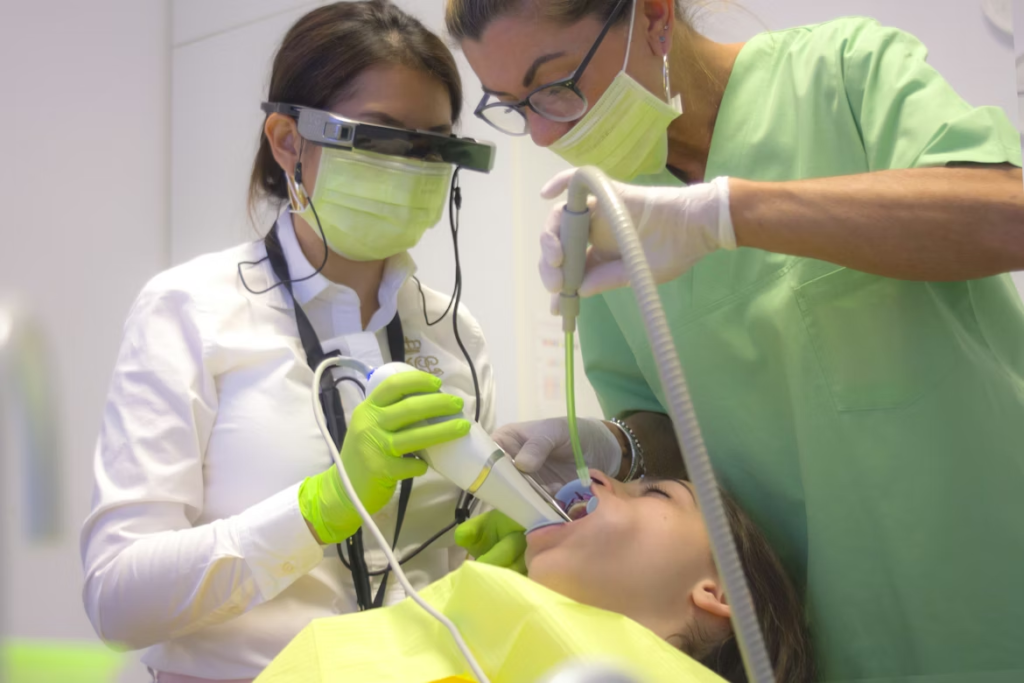
The actions you take in the first few minutes after a dental emergency can significantly influence the treatment outcome and long-term prognosis. Your primary goals are controlling bleeding, managing pain, preventing further damage, and preserving any dental materials for potential reimplantation or repair.
For knocked-out teeth, time becomes absolutely critical. Pick up the tooth by the crown (the white part visible in your mouth), never the root. If the tooth is dirty, rinse it gently with clean water — don’t scrub or use soap, as this can damage the root surface cells needed for successful reimplantation. The best preservation method involves placing the tooth back in its socket if possible, biting gently on clean gauze to hold it in place. If reinsertion isn’t feasible, store the tooth in milk, saline solution, or even saliva — never water, which can damage root cells.
Managing bleeding requires direct pressure with clean gauze or cloth. For tongue or lip injuries, clean the area gently and apply pressure for 15 minutes. If bleeding continues after this period, or if you can see fat or muscle tissue through the wound, emergency medical attention becomes necessary. Ice packs applied to the outside of the face can help reduce swelling and provide some pain relief, but avoid placing ice directly on injured tissues.
Pain management before professional care requires balancing effectiveness with safety. Over-the-counter anti-inflammatory medications like ibuprofen often work better than acetaminophen for dental pain because they address the inflammation component. However, avoid aspirin if significant bleeding is present, as it can interfere with clotting. Topical anesthetics can provide temporary relief, but use them sparingly — overuse can damage tissues and mask important symptoms that help dentists diagnose the problem.
For broken dental work like crowns or large fillings, save all pieces if possible. Temporary dental cement, available at most pharmacies, can help protect exposed areas until professional treatment. If a crown comes off completely, try cleaning both the crown and the tooth gently, then use temporary cement or even sugarless gum to hold it in place temporarily — but understand this is strictly a short-term measure.
Documentation becomes important for both treatment and insurance purposes. Take photos of visible damage if possible, note the time the injury occurred, and write down exactly what happened. This information helps dental professionals assess the situation and can expedite insurance claims. When seeking emergency care, individuals who can provide clear, specific information about their symptoms and the incident typically receive more efficient treatment, particularly when dealing with urgent dental services in Lakewood where triage decisions affect wait times and treatment priorities.
Common Dental Emergencies and How They Are Treated
Understanding what to expect during emergency treatment helps reduce anxiety and enables better communication with dental professionals during crisis situations. Most emergency procedures focus on immediate stabilization rather than definitive restoration, which often requires follow-up appointments once swelling reduces and the situation stabilizes.
Knocked-out teeth receive different treatment approaches depending on the time elapsed since injury. Within the critical 30-minute window, dentists typically clean the socket gently, examine the tooth for fractures, and attempt reimplantation. The tooth is then splinted to adjacent teeth using wire and composite material, usually remaining in place for several weeks. Success rates drop significantly after two hours, but reimplantation attempts may still occur up to 24 hours post-injury, particularly for children whose root development isn’t complete.
Cracked or fractured teeth require assessment of crack depth and location before treatment decisions. Surface cracks affecting only enamel might receive immediate bonding or temporary coverage, while deeper cracks extending to the root often need more complex intervention. Emergency treatment typically involves removing loose fragments, covering exposed nerve tissue, and providing temporary restoration. Root canal therapy frequently becomes necessary for cracks extending into the pulp, though this determination often waits until initial swelling subsides.
Severe toothaches accompanied by swelling usually indicate infection requiring antibiotic treatment alongside pain management. Emergency dentists often need to establish drainage if abscess formation has occurred, which involves creating a small opening to allow infected material to escape. This procedure provides immediate pressure relief and pain reduction, though definitive treatment — often root canal therapy or extraction — typically requires follow-up appointments.
Lost fillings or crowns receive temporary replacement during emergency visits, focusing on protecting exposed tooth structure and managing discomfort. Permanent restoration usually requires separate appointments with proper isolation and curing time. Emergency dentists carry temporary materials designed for quick placement and reasonable durability, but these solutions rarely last more than several weeks without replacement.
Soft tissue injuries involving gums, lips, or tongue are cleaned thoroughly and assessed for foreign objects before closure. Minor lacerations might heal naturally with proper care, while deeper cuts require sutures. Emergency dental treatment often overlaps with urgent care medicine for complex facial injuries, particularly when multiple tissues are involved or when the injury affects both dental structures and surrounding facial areas.
How to Prevent Dental Emergencies and Prepare Effectively
Prevention strategies provide the most cost-effective approach to dental emergency management, particularly for families with active lifestyles common in Lakewood’s outdoor-oriented community. Sports-related injuries account for a significant portion of dental emergencies, yet properly fitted mouthguards can prevent up to 60% of these incidents according to recent American Dental Association research.
Custom-fitted mouthguards from dental professionals offer superior protection compared to over-the-counter options, especially for contact sports, skateboarding, or mountain biking — activities popular among Lakewood residents with easy access to mountain recreation areas. The investment in professional mouthguard fabrication, typically $150-300, becomes minimal compared to emergency treatment and restoration costs that can reach several thousand dollars.
Regular preventive care significantly reduces emergency risk by identifying problems before they become critical. Routine cleanings and examinations catch issues like small cracks, failing fillings, or early decay that can lead to emergency situations if left untreated. Dental professionals can also identify risk factors specific to individual patients — such as teeth grinding, which weakens tooth structure, or dietary habits that increase decay risk.
Emergency preparedness involves both practical supplies and information organization. Every household should maintain a basic dental emergency kit containing gauze, temporary filling material, pain medication, and contact information for local emergency dental services. Understanding your insurance coverage before emergencies occur prevents delays and confusion during crisis situations. Many Lakewood residents find that their employer-sponsored dental plans have specific emergency protocols and preferred provider networks that affect coverage and costs.
Community resources in Lakewood continue expanding as the population grows. The city’s proximity to Denver provides access to hospital emergency rooms with oral surgery capabilities, though these facilities typically focus on trauma stabilization rather than definitive dental treatment. Several urgent care centers in the area now offer basic dental emergency services during extended hours, providing intermediate options between traditional dental offices and hospital emergency rooms.
The evolving landscape of emergency dental care increasingly emphasizes patient education and early intervention. Rather than simply treating crises as they arise, successful emergency preparation involves understanding your personal risk factors, maintaining relationships with dental professionals who offer after-hours coverage, and developing family protocols for different types of dental emergencies. For Lakewood families, this preparation becomes particularly valuable given the community’s active lifestyle and growing healthcare infrastructure that rewards informed, proactive patients.
Other Articles You May Find of Interest...
- Why Your Teeth May Look Healthy but Still Need Dental Attention
- What Goes Into Developing an Alcohol-Free Mouthwash Beyond the Ingredient List
- 6 Best Dentist Options in Reston, Virginia for Family, Cosmetic, and Emergency Care
- Why Comprehensive Dental Care Matters at Every Stage of Life
- Why Preventive Dental Care Matters at Every Stage of Life
- Colored Braces: A Practical Guide for Teens and Parents in the UAE
- Brushing Teeth for Kids: Secrets to Making Healthy Habits Actually Stick