More Dental Health Articles
Benefits of Choosing a Cosmetic Dentist for Smile Enhancements
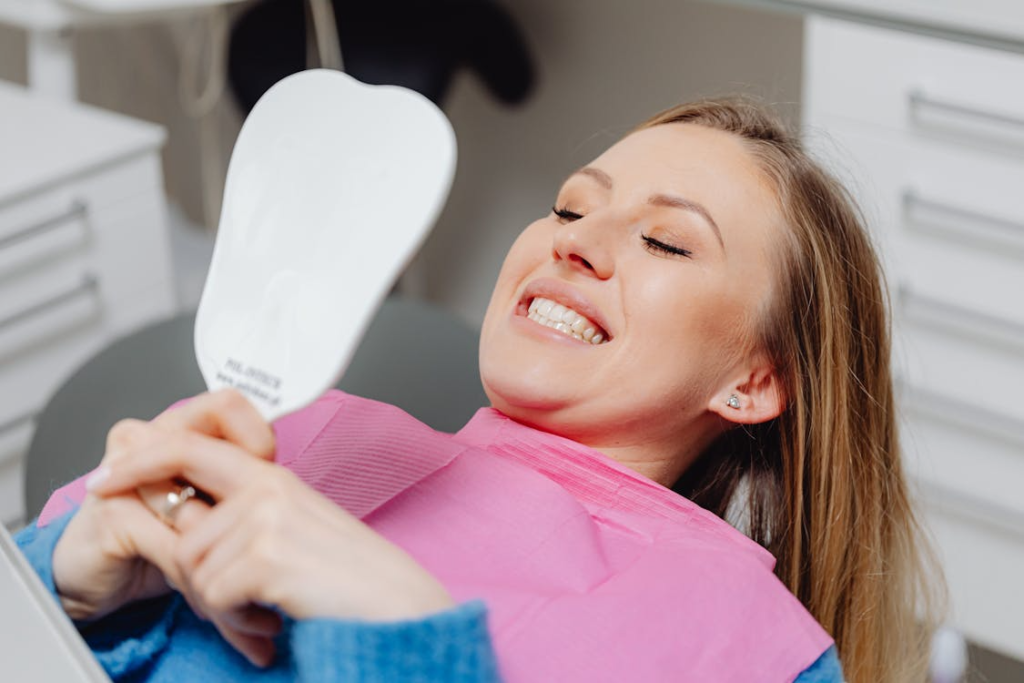
According to the American Academy of Cosmetic Dentistry’s 2024 member survey, nearly 96% of adults believe an attractive smile makes a person more appealing to the opposite sex — yet only about 50% are satisfied with their own. As digital photography and video calls become integral to professional and social interactions, the pressure for picture-perfect smiles has intensified beyond traditional face-to-face encounters. This shift has driven significant growth in cosmetic dental procedures, with teeth whitening alone representing a $7.4 billion global market.
The challenge many people face isn’t whether to pursue smile enhancement, but understanding what distinguishes truly effective cosmetic dental treatment from superficial fixes. With general dentists, specialized cosmetic practitioners, and even non-dental providers offering similar-sounding services, the choice of practitioner can dramatically affect both immediate results and long-term oral health. The stakes extend beyond aesthetics — poorly executed cosmetic work can compromise tooth structure, create bite problems, and require expensive corrections down the road.
How Cosmetic Dentistry Works for Smile Enhancements
Cosmetic dentistry operates on fundamentally different principles than traditional restorative work, focusing on the interplay between tooth color, shape, size, and alignment to create visual harmony. Unlike filling cavities or treating disease, cosmetic procedures manipulate how light reflects off tooth surfaces, how teeth relate proportionally to facial features, and how the smile line follows the natural curve of the lower lip.
The foundation of effective smile enhancement lies in understanding facial geometry. Practitioners analyze the golden ratio — the mathematical relationship where each tooth appears approximately 1.618 times wider than the tooth behind it when viewed from the front. This creates the natural tapering effect that makes smiles appear balanced and proportionate. Color matching involves more than picking a shade from a chart; it requires understanding how translucency, surface texture, and underlying tooth structure affect light transmission.
Consider someone with naturally straight teeth but persistent staining from tetracycline antibiotics taken in childhood. The gray-brown discoloration penetrates deep into the tooth structure, making surface treatments ineffective. A cosmetic dentist might recommend porcelain veneers that completely mask the discoloration while maintaining natural translucency at the tooth edges — something that requires precise understanding of how different materials interact with light.
Modern cosmetic dentistry also accounts for dynamic factors like how teeth appear during speech and laughter, not just in static smiles. The upper teeth should be visible during normal conversation, while the lower teeth typically remain hidden until broader smiles or laughter. This principle guides decisions about tooth length, lip support, and gum line positioning throughout the treatment planning process.
Types of Non-Surgical Smile Enhancements and Their Benefits
Common Non-Surgical Procedures for Smile Improvement
The most accessible cosmetic treatments work by altering tooth color, smoothing irregular surfaces, or making minor shape corrections without removing significant tooth structure. Professional whitening systems use concentrated hydrogen peroxide or carbamide peroxide to break down chromophores — the molecules responsible for tooth discoloration — within the enamel and dentin layers.
Composite bonding allows practitioners to sculpt tooth-colored resin directly onto existing teeth, correcting chips, gaps, or minor misalignment. This technique works particularly well for people with small imperfections who want immediate results. The composite material bonds chemically to tooth enamel, creating repairs that can last five to ten years with proper care.
Enamel reshaping, sometimes called cosmetic contouring, removes small amounts of tooth structure to eliminate minor overlaps, smooth rough edges, or balance tooth proportions. This procedure often accompanies other treatments — for instance, slightly shortening overly long lateral incisors can make newly whitened teeth appear more uniform. The process requires careful measurement and planning, since removed enamel doesn’t regenerate.
Advantages of Non-Surgical Enhancements Compared to Surgical Options
Non-surgical treatments preserve natural tooth structure while delivering noticeable improvements in weeks rather than months. Unlike veneers or crowns, which require removing enamel to accommodate the restoration thickness, procedures like whitening and bonding add material or remove only surface irregularities. This conservation approach maintains tooth strength and reduces sensitivity risks.
The reversibility factor sets non-surgical options apart from permanent alterations. Professional whitening can be repeated or adjusted if results fade over time. Composite bonding can be modified, repaired, or completely removed without damaging underlying teeth. This flexibility appeals to people who want to test cosmetic changes before committing to more extensive work.
Cost considerations make non-surgical treatments accessible to a broader range of patients. Professional whitening typically costs a fraction of veneer treatment, while composite bonding falls somewhere in between. Many people use these procedures as stepping stones, starting with conservative enhancements and progressing to more comprehensive smile makeovers once they understand their preferences and see initial results.
How Choosing a Skilled Cosmetic Dentist Affects Results
The technical execution of cosmetic procedures varies dramatically between practitioners, with differences often invisible until months after treatment completion. Experienced cosmetic dentists understand how slight variations in tooth proportions, surface textures, and color transitions create natural-looking results versus obviously artificial appearances. They also possess the artistic eye needed to balance symmetry with the subtle asymmetries that make smiles appear genuinely human.
Material selection and application techniques separate skilled practitioners from those treating cosmetic work as an add-on service. Professional-grade whitening systems require careful isolation to protect soft tissues, precise timing to avoid over-bleaching, and post-treatment protocols to minimize sensitivity. Composite bonding demands layering techniques that mimic natural tooth translucency, proper curing procedures to ensure durability, and finishing skills that create seamless transitions between bonded and natural areas.
The difference becomes especially apparent in complex cases involving multiple procedures. A comprehensive approach to cosmetic dental care requires coordinating treatments sequentially — for instance, completing orthodontic movement before placing veneers, or timing whitening to achieve optimal color matching for restorations. Inexperienced practitioners often rush into visible procedures without addressing underlying structural issues, leading to compromised results.
Treatment planning represents perhaps the most critical skill differential. Expert cosmetic dentists spend considerable time analyzing facial photographs, studying smile dynamics, and creating detailed mock-ups before beginning work. This planning phase identifies potential problems, sets realistic expectations, and ensures all procedures work synergistically toward the desired outcome. The consultation process itself often reveals practitioner expertise through the depth of analysis and quality of communication about treatment options.
Psychological and Social Benefits of Cosmetic Dentistry
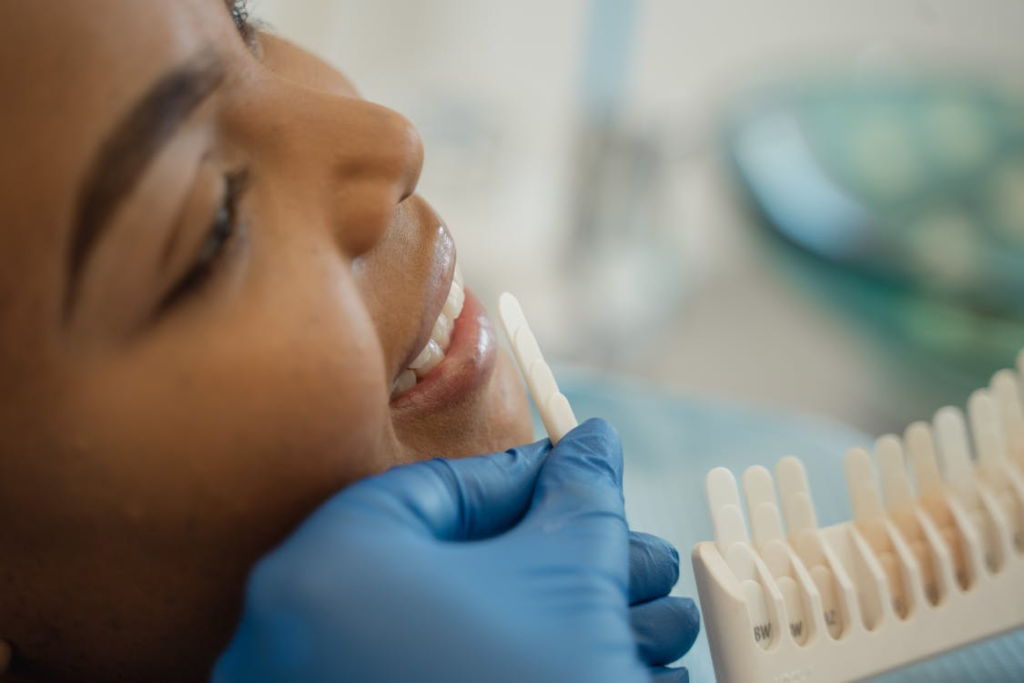
Research consistently demonstrates measurable improvements in self-confidence and social interactions following successful cosmetic dental treatment. The American Academy of Cosmetic Dentistry found that 74% of adults believe an unattractive smile can hurt career success, while 96% of adults believe an attractive smile makes someone more appealing in social situations. These perceptions translate into real behavioral changes for people who undergo smile enhancements.
The psychological impact extends beyond simple confidence boosts. Many individuals report feeling more willing to smile genuinely in photographs, speak up in meetings, or engage in social conversations after addressing dental concerns that previously caused self-consciousness. This behavioral shift creates positive feedback loops — increased social engagement leads to more opportunities, better relationships, and enhanced overall quality of life.
Professional benefits appear particularly pronounced in careers involving public interaction. Sales professionals, teachers, healthcare workers, and customer service representatives often report improved patient or client relationships following cosmetic dental treatment. While correlation doesn’t prove causation, the consistency of these reports suggests that smile confidence affects interpersonal dynamics in measurable ways.
The social psychology of attraction plays a role in these outcomes. Evolutionary biology suggests humans associate healthy, symmetrical teeth with overall health and genetic fitness. Modern cosmetic dentistry essentially allows people to present visual cues that trigger positive subconscious responses in others, even when the underlying dental health was already excellent. This phenomenon helps explain why the psychological benefits of cosmetic treatment often exceed what the objective physical changes might predict.
Common Concerns and Ethical Considerations in Cosmetic Dentistry
Patient expectations versus realistic outcomes represent the most frequent source of dissatisfaction in cosmetic dental treatment. Social media and celebrity culture create unrealistic standards for dental perfection, leading some people to request treatments that would look artificial or damage long-term oral health. Ethical practitioners spend significant time educating patients about what’s achievable within the constraints of their existing facial structure, tooth anatomy, and lifestyle factors.
The pressure to oversell treatments creates ethical dilemmas throughout the cosmetic dental industry. Unlike medical procedures driven by health necessity, cosmetic treatments are elective and often expensive, making patient vulnerability a concern. Reputable practitioners distinguish themselves by recommending the most conservative approach that meets patient goals, rather than the most profitable treatment plan. They also provide honest assessments when cosmetic dentistry isn’t likely to solve underlying concerns about appearance or self-esteem.
Long-term maintenance requirements often receive insufficient attention during initial consultations. Whitening requires periodic touch-ups, composite bonding needs replacement every five to ten years, and all cosmetic work requires meticulous oral hygiene to maintain appearance and prevent complications. Patients who don’t understand these ongoing commitments may become frustrated with natural wear patterns or color changes over time.
The qualification question remains murky in cosmetic dentistry, where no standardized specialty certification exists like in orthodontics or oral surgery. Any licensed dentist can legally perform cosmetic procedures, regardless of additional training or experience. This regulatory gap places the burden on patients to research practitioner credentials, examine before-and-after portfolios, and seek referrals from trusted sources. The most ethical approach involves transparent discussion of a practitioner’s specific experience with the procedures being considered, rather than assuming all dentists possess equal cosmetic skills.
Understanding these dynamics helps patients make informed decisions that balance their aesthetic goals with realistic expectations and long-term oral health considerations. The investment in smile enhancement extends beyond the initial treatment cost to encompass ongoing maintenance, lifestyle modifications, and the selection of a practitioner whose expertise matches the complexity of desired improvements.
Other Articles You May Find of Interest...
- Why Your Teeth May Look Healthy but Still Need Dental Attention
- What Goes Into Developing an Alcohol-Free Mouthwash Beyond the Ingredient List
- 6 Best Dentist Options in Reston, Virginia for Family, Cosmetic, and Emergency Care
- Why Comprehensive Dental Care Matters at Every Stage of Life
- Why Preventive Dental Care Matters at Every Stage of Life
- Colored Braces: A Practical Guide for Teens and Parents in the UAE
- Brushing Teeth for Kids: Secrets to Making Healthy Habits Actually Stick